# 1978 vs. Today: What Gas Prices Miss About The Real Cost Of Driving
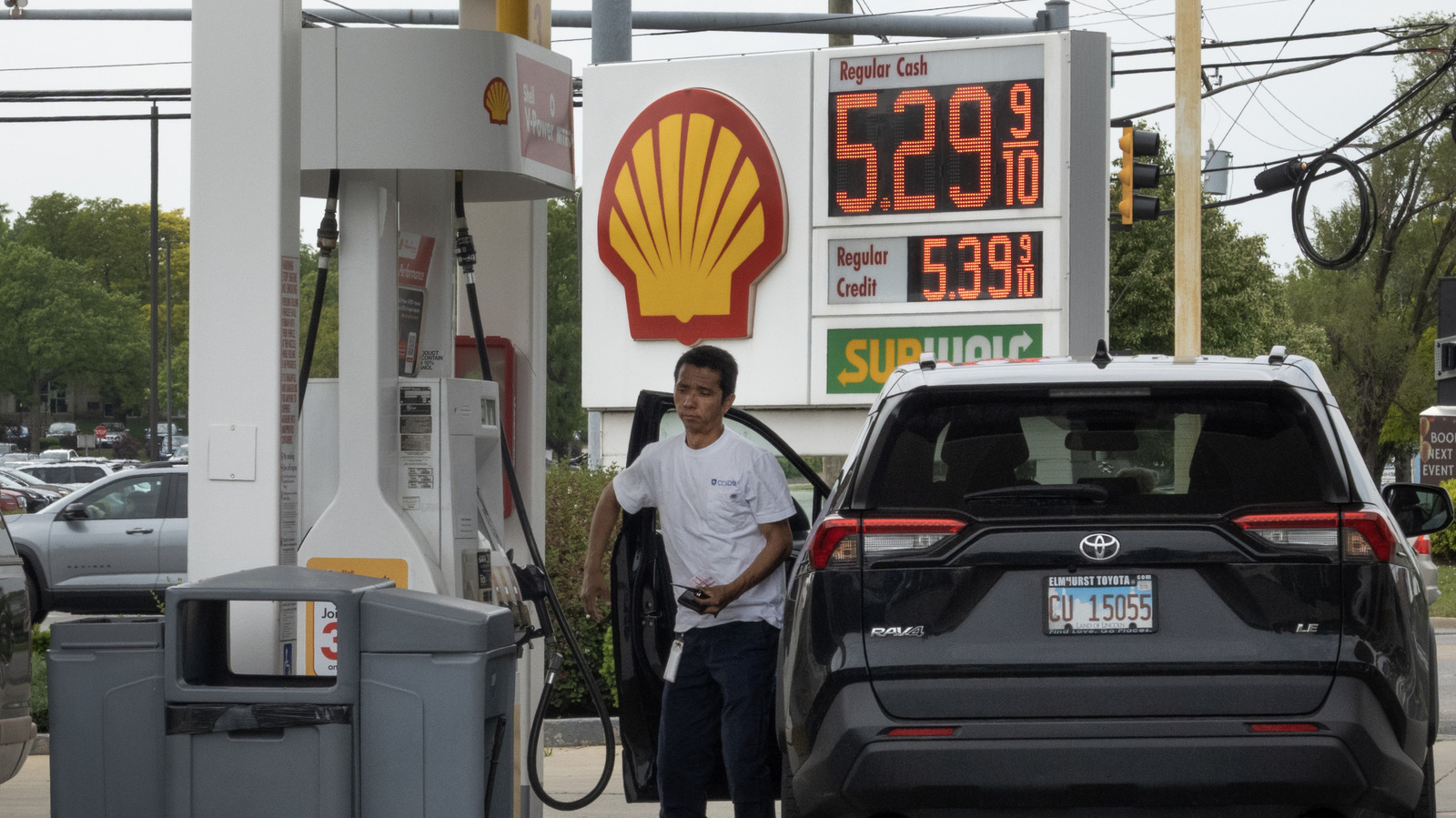
Gas prices capture headlines, but they tell only half the story. A gallon of fuel cost $0.63 in 1978, adjusted for inflation to roughly $3.50 in today's dollars. That's close to current pump prices in many regions. Yet driving a car in 2024 costs substantially more than it did nearly five decades ago, and the culprit isn't just fuel.
The real expense burden has shifted from the pump to everything else required to keep a vehicle street legal and functional. Insurance premiums have outpaced inflation dramatically. Maintenance and repairs have become prohibitively complex. Registration fees have climbed. Emissions testing and compliance add recurring costs. A car bought in 1978 needed routine oil changes, tire replacements, and occasional brake service. Today's vehicles demand computerized diagnostics, software updates, specialized parts, and dealer-only repairs that carry premium markups.
Consider vehicle prices themselves. A 1978 Chevrolet Impala cost around $5,600 new, or roughly $25,000 adjusted to 2024 dollars. A comparable full-size sedan today, like a 2024 Chevy Impala, costs $35,000 to $40,000. That gap reflects not just inflation but the engineering complexity that regulators now mandate. Emissions systems, crumple zones, airbags, electronic stability control, infotainment platforms, and battery management systems all drive up base costs. These technologies improve safety and environmental performance, but they create maintenance expenses that didn't exist before.
Insurance illustrates the trend sharply. A 1978 driver paid less because repair shops were straightforward operations. Mechanics could fix nearly anything with basic tools. Today's vehicles integrate computers throughout the engine bay, frame, and electrical systems. A minor collision now triggers thousands of dollars in sensor recalibration and parts replacement. Insurance companies price this risk forward. Young drivers today face premiums that would have seemed fantastical four decades ago.
Dealerships have centralized repair control. Independent shops struggle to access proprietary diagnostic software and original manufacturer parts. This creates a monopoly dynamic. A 1978 owner could visit any competent mechanic and negotiate rates. A 2024 owner often faces limited choices and fixed pricing from the manufacturer's authorized network.
Registration and compliance fees have grown as well. States now mandate emissions testing in many regions, adding annual costs. Registration itself has increased faster than inflation in most jurisdictions. Parking permits in urban centers have skyrocketed. Tolls have proliferated. These variable costs accumulate for anyone commuting daily.
Electric vehicles promised cost relief through lower fuel and maintenance expenses. But EV ownership still carries steep insurance premiums, expensive battery repairs, and limited aftermarket service options. Traditional automakers raise prices on new models annually, pricing out middle-income buyers entirely.
The 1978 driver might have spent $800 annually on a car payment, insurance, fuel, and maintenance combined. Today's driver easily spends $8,000 to $12,000 annually for equivalent transportation. Gas prices remain the visible metric, but the hidden apparatus of modern vehicle ownership has become the true expense. Affordability has declined despite stable pump prices because the regulatory, technological, and commercial infrastructure surrounding automobiles has fundamentally transformed what ownership actually costs.