# The Consequences Of Low Engine Oil From Mild To Severe
Running an engine on low oil levels triggers a cascade of mechanical failures that accelerate from annoying to catastrophic with alarming speed. Most drivers understand oil lubricates engine components, but few grasp how rapidly damage compounds once levels drop below minimum.
Engine oil performs three critical functions: lubrication, cooling, and debris suspension. When oil levels fall, all three systems degrade simultaneously. Friction between pistons, crankshafts, connecting rods, and cylinder walls increases dramatically. Metal-to-metal contact generates heat that rises quickly. Engine temperatures climb past normal operating range, typically 195-220 degrees Fahrenheit, toward critical thresholds where components warp and seize.
The timeline matters. An engine running on half the recommended oil doesn't fail half as slow. Damage accelerates exponentially. Within minutes of low-level operation, bearing surfaces begin scoring. Piston rings scratch cylinder walls. Valve train components grind. Temperature spikes that would take hours to develop under normal conditions can occur in under ten minutes at highway speeds.
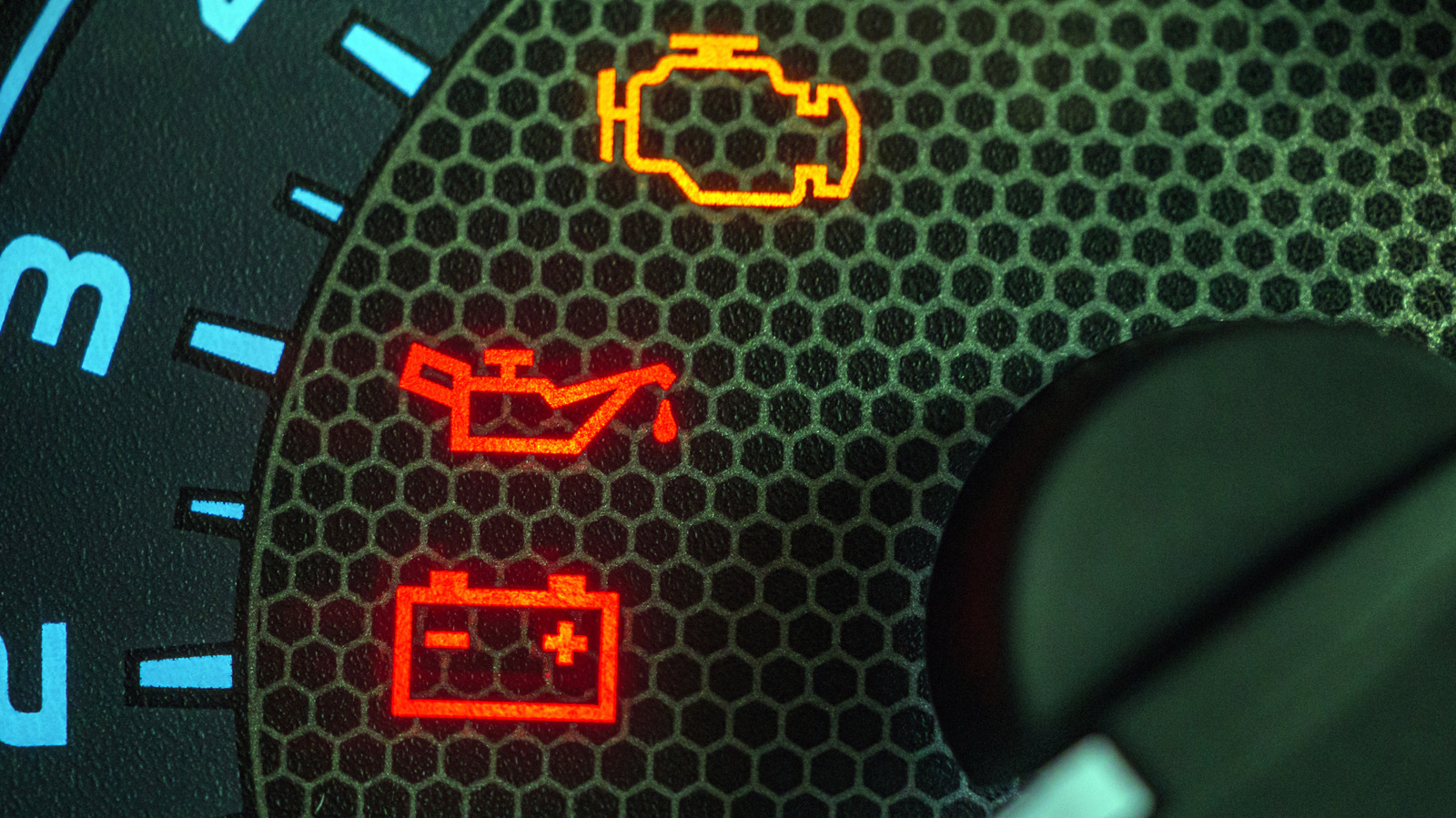
The oil warning light serves as the first alert, but many drivers ignore it. Dashboard indicators typically trigger at roughly 1 to 1.5 quarts low, depending on vehicle design. That warning represents the point where the oil pump begins drawing air instead of pure oil, causing the lubrication film to break down. Engine knocking often follows. This metallic pinging sound means internal components strike each other without proper cushioning.
Continuing operation past this point invites swift destruction. Bearing seizure can occur within minutes. Once a bearing seizes, rotational force transfers to stationary components. Connecting rods bend or break. Crankshaft damage follows. At that stage, engine seizure becomes complete and irreversible. The engine simply stops turning, and repair costs often exceed the vehicle's value.
Modern engines incorporate oil pressure sensors that trigger warning lights before catastrophic failure, but sensors fail. Drivers miss warnings. Slow leaks develop unnoticed. Neglected oil change intervals allow viscosity breakdown. Cold starts in winter compound problems by thickening oil, reducing flow rate.
Prevention demands vigilance. Check oil levels monthly on older vehicles or every other fill-up on newer models. Follow manufacturer-specified change intervals without exception. Synthetic oils hold viscosity better during temperature extremes, extending intervals slightly but never eliminating them. Address warning lights immediately rather than assuming they reflect sensor malfunction.
The financial consequence of engine seizure dwarfs routine maintenance costs. A $50 oil change seems expensive until the alternative emerges: $8,000-$12,000 for engine replacement on a used sedan, considerably more on trucks or luxury vehicles. Some drivers abandon damaged vehicles entirely, writing off cars that could have run for another 100,000 miles with basic care.
Understanding this urgency separates responsible vehicle owners from those who treat engines as disposable commodities. Low oil doesn't gradually reduce performance. It triggers irreversible mechanical failure with shocking speed. The difference between catching a low-oil warning and ignoring it can be the difference between a $100 top-up and a total engine replacement.