# Popular IIHS Award Winner Carries Surprisingly High Insurance Costs
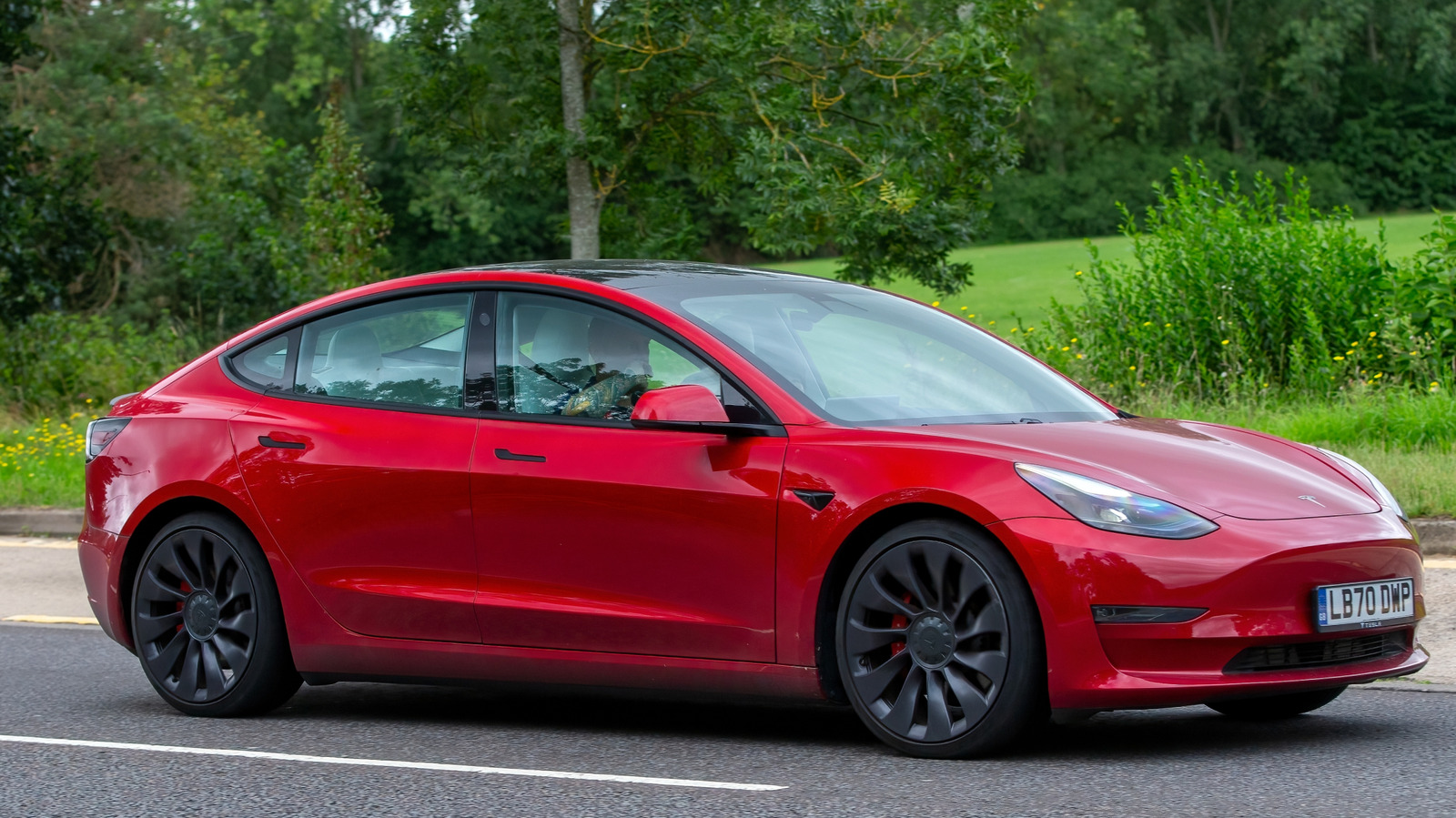
A sedan that has dominated the Insurance Institute for Highway Safety's Top Safety Pick awards since 2020 faces a puzzling market reality: exceptional crash test performance does not guarantee low insurance premiums. The vehicle's five IIHS accolades over four years reflect engineering excellence in occupant protection, yet owners pay nearly double the national average for coverage.
This disconnect reveals how insurance companies calculate risk beyond just crash test scores. While IIHS ratings measure vehicle safety in controlled environments, insurers weigh repair costs, claims history, theft rates, and driver demographics alongside structural integrity. A sedan that crushes IIHS testing may still cost insurers more money in real claims.
The vehicle's popularity compounds the issue. High sales volumes mean more instances on roads, more accident claims in aggregate, and more data points influencing base rates. Popular models also attract younger, less experienced drivers who accept higher premiums because the car aligns with their preferences. Insurance companies track loss ratios by model year and trim, adjusting rates when claims exceed expectations.
Repair expenses play a central role. Modern sedans integrate expensive electronics, sensors, and composite materials that IIHS safety tests do not measure. A fender bender that would cost $500 to fix on a 1995 Honda Civic might run $3,000 on a current model. Side-impact sensors, advanced airbag systems, and aluminum body panels inflate repair invoices. Insurance companies price premiums to account for this reality.
The sedan's popularity with specific demographic groups also shapes rates. If a model attracts drivers with higher accident frequencies or more theft claims in certain regions, rates rise across all buyers. Insurance data shows that some vehicle models cluster among drivers filing more comprehensive and collision claims. Geography matters too. Urban owners pay more than rural drivers, skewing the overall premium picture.
IIHS awards measure structural rigidity, restraint system performance, and crash energy management. These tests reduce injury severity but do not eliminate accidents. Insurance companies distinguish between vehicles that prevent injuries and vehicles that prevent claims. A car that breaks ribs instead of causing fatal injuries still generates costly medical bills.
The five Top Safety Pick awards demonstrate this sedan's engineering prowess. Achieving that distinction requires superior performance in front crash prevention, moderate overlap front crash, small overlap front crash, side crash, rollover, and crashworthiness. Automakers invest heavily in these systems, and IIHS recognition justifies that engineering effort.
However, the insurance premium reality sends a mixed message to buyers prioritizing safety. Choosing a vehicle because it earned IIHS recognition makes logical sense for crash protection. Paying double the national average for coverage creates sticker shock at renewal time.
Owners can reduce rates through safety feature discounts, bundling home and auto policies, raising deductibles, and shopping among multiple insurers. Some companies offer specific discounts for IIHS-recognized vehicles, though those discounts rarely offset the base rate premium.
The situation underscores that vehicle safety encompasses more than crash test performance. Total cost of ownership includes insurance expenses, and exceptionally safe cars do not automatically carry the lowest premiums. Buyers evaluating vehicles should research typical insurance costs alongside IIHS ratings before committing to a purchase.