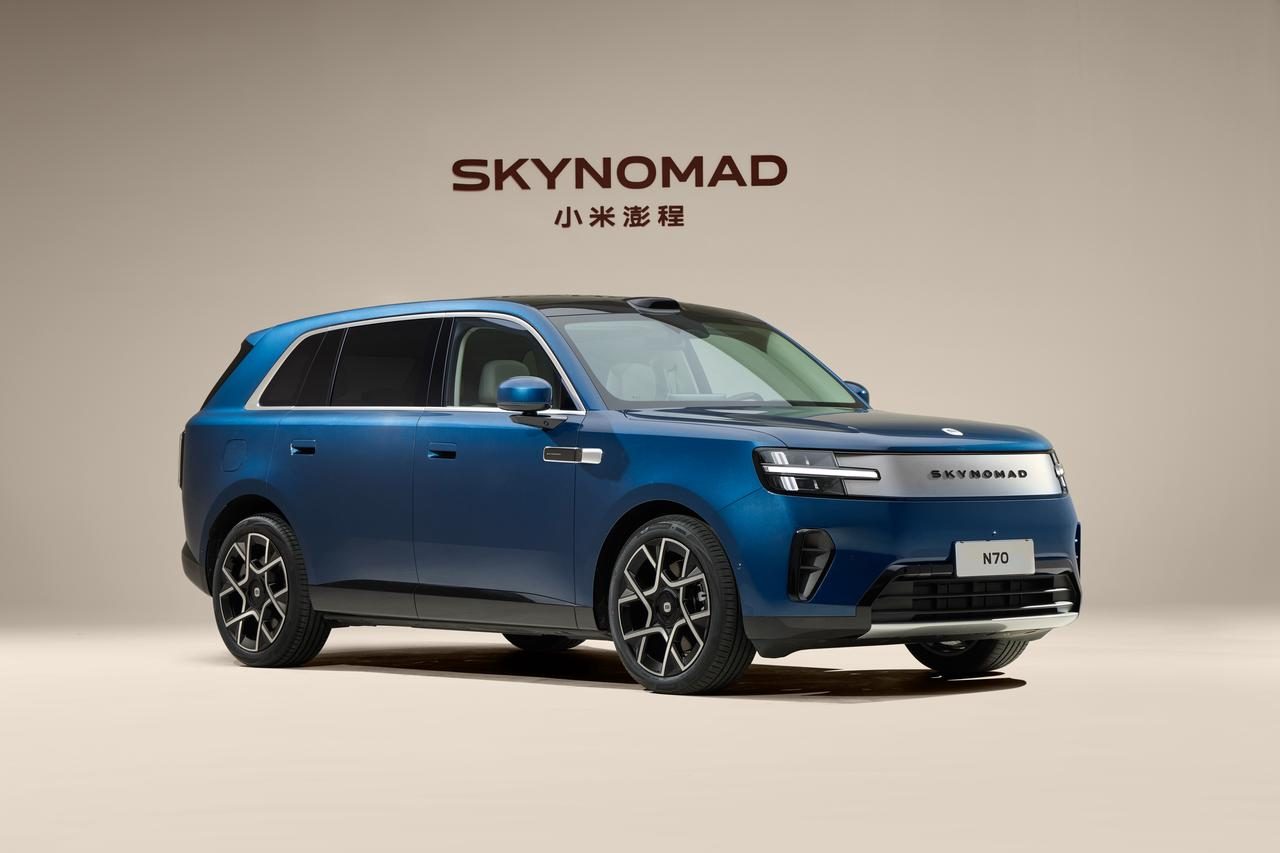
Xiaomi has entered the extended-range electric vehicle market in China with the SkyNomad SUV lineup, launching four models starting at RMB 209,900, approximately $31,275. This marks the tech giant's first foray into extended-range vehicles, or EREVs, a category that combines battery electric power with a gasoline range extender.
The pricing positions Xiaomi aggressively below established competitors in this space. Li Auto and Huawei's AITO brand currently dominate China's EREV segment with their own flagship models, but both command higher entry prices. Xiaomi's strategy undercuts these incumbents immediately, leveraging its brand reputation and consumer electronics expertise to disrupt a market segment that has grown rapidly across China over the past three years.
Extended-range vehicles occupy a distinct niche in China's electric vehicle market. Unlike traditional plug-in hybrids, EREVs operate primarily on electric power, with the gasoline engine engaging only when the battery depletes. This architecture appeals to buyers who want zero-emission city driving combined with highway range without the charging anxiety associated with pure battery electric vehicles. Li Auto built its reputation on this exact formula, generating massive sales volumes in 2023 and 2024. AITO, launched under Huawei's premium automotive initiative with partner Changan, has challenged Li Auto's dominance with more sophisticated technology integration and autonomous driving features.
The SkyNomad lineup consists of four distinct models, though specific powertrain details and range specifications remain limited in the initial announcement. The entry-level variant targets price-conscious buyers transitioning from traditional combustion vehicles or seeking an alternative to premium pure EVs. Higher trims likely offer extended battery capacity, more powerful electric motors, or additional technology features that command premium pricing.
Xiaomi's expansion into automobiles reflects the broader convergence between consumer electronics and automotive industries in China. The company has already invested heavily in autonomous driving technology and smart vehicle platforms through its in-house automotive division. Xiaomi Automotive, established several years ago, developed this vehicle platform and powertrain architecture. The SkyNomad launch represents the company's commitment to moving beyond theoretical automotive ambitions into concrete production and sales.
Extended-range vehicles face regulatory headwinds in some developed markets, but China actively encourages the category through purchase subsidies and preferential licensing policies in congested cities like Beijing and Shanghai. This regulatory environment gives Xiaomi a clear runway for rapid scaling. The company's supply chain capabilities, accumulated expertise in battery technology through smartphones, and established dealer networks across China create infrastructure advantages over foreign competitors entering the market.
Li Auto and AITO will respond aggressively to Xiaomi's price challenge. Li Auto has demonstrated ability to cut costs while maintaining margin through vertical integration and manufacturing efficiency. AITO leverages Huawei's technology ecosystem and premium positioning. Both companies have first-mover advantages and established customer loyalty that Xiaomi must overcome through consistent quality and after-sales service.
The SkyNomad launch signals that China's EREV market remains contested terrain despite Li Auto's current leadership. Xiaomi's entry intensifies competition and forces price reductions across the category, ultimately benefiting Chinese consumers seeking practical electric vehicle solutions without range compromises. Industry observers will watch closely whether Xiaomi can convert its brand strength into sustainable automotive sales volume and profitability.