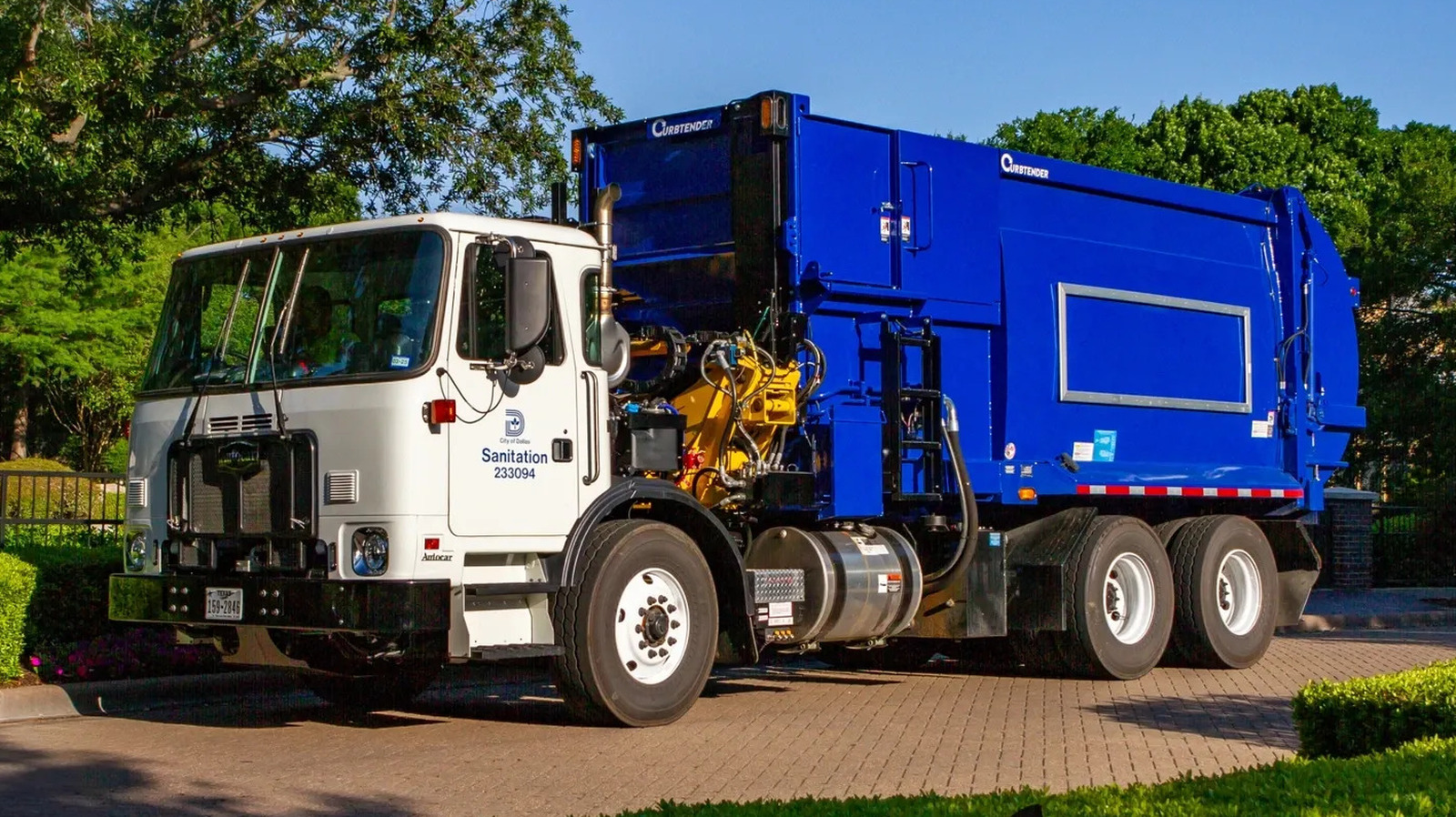
Dallas City Council approved a surveillance program that equips garbage trucks with AI-powered cameras to photograph every house in the city and scan for code violations. The cameras capture images of properties during routine trash collection, then artificial intelligence analyzes the photos to identify potential violations ranging from overgrown vegetation to parking infractions and junk vehicles.
The program raises immediate concerns about privacy and the scope of municipal surveillance. Residents receive no notification when cameras photograph their properties. The city argues the system improves code enforcement efficiency and reduces the need for inspectors to manually drive neighborhoods looking for violations. Dallas plans to deploy the technology across its entire fleet of sanitation vehicles, meaning every residential street gets surveilled during weekly trash pickups.
The implementation reflects a broader trend in American municipalities experimenting with AI surveillance infrastructure. Cities justify these programs as cost-saving measures that streamline government operations. Dallas claims the camera system allows code enforcement teams to prioritize inspections based on flagged violations rather than random patrols. The city also suggests homeowners benefit from faster resolution of neighborhood blight issues.
Critics argue Dallas crossed an important line by deploying surveillance without explicit consent or legislative debate about the civil liberties implications. The program operates in a legal gray area since trash collection occurs on public streets, where privacy expectations are lower than on private property. However, the systematic photography and AI analysis of every residence creates a comprehensive database of property conditions and resident behavior patterns.
The technology itself comes from Proactive AI, a company specializing in municipal surveillance tools. The cameras use computer vision to identify violations automatically, reducing human bias in enforcement while enabling scale. Other cities including San Francisco and Los Angeles have tested similar programs, though Dallas represents one of the most comprehensive deployments to date.
Residents have limited recourse once the program launches. Opting out typically requires written requests, and not all cities honor such requests consistently. Some privacy advocates recommend legal challenges arguing that warrantless surveillance violates Fourth Amendment protections, though courts have historically ruled that activities visible from public streets fall outside constitutional protection.
The Dallas program also risks unequal enforcement. Neighborhoods with more camera exposure due to garbage collection routes might face heightened code enforcement while other areas escape scrutiny. Poorer communities often bear the brunt of aggressive code enforcement, and AI-driven systems can amplify existing enforcement disparities if deployed without safeguards.
Municipal governments face budget pressures and turn to technology companies promising efficiency gains. The garbage truck camera program costs Dallas relatively little compared to hiring additional inspectors. As long as legal challenges don't block implementation and public opposition remains muted, expect other cities to adopt similar systems. The question becomes whether convenience and efficiency justify comprehensive residential surveillance.