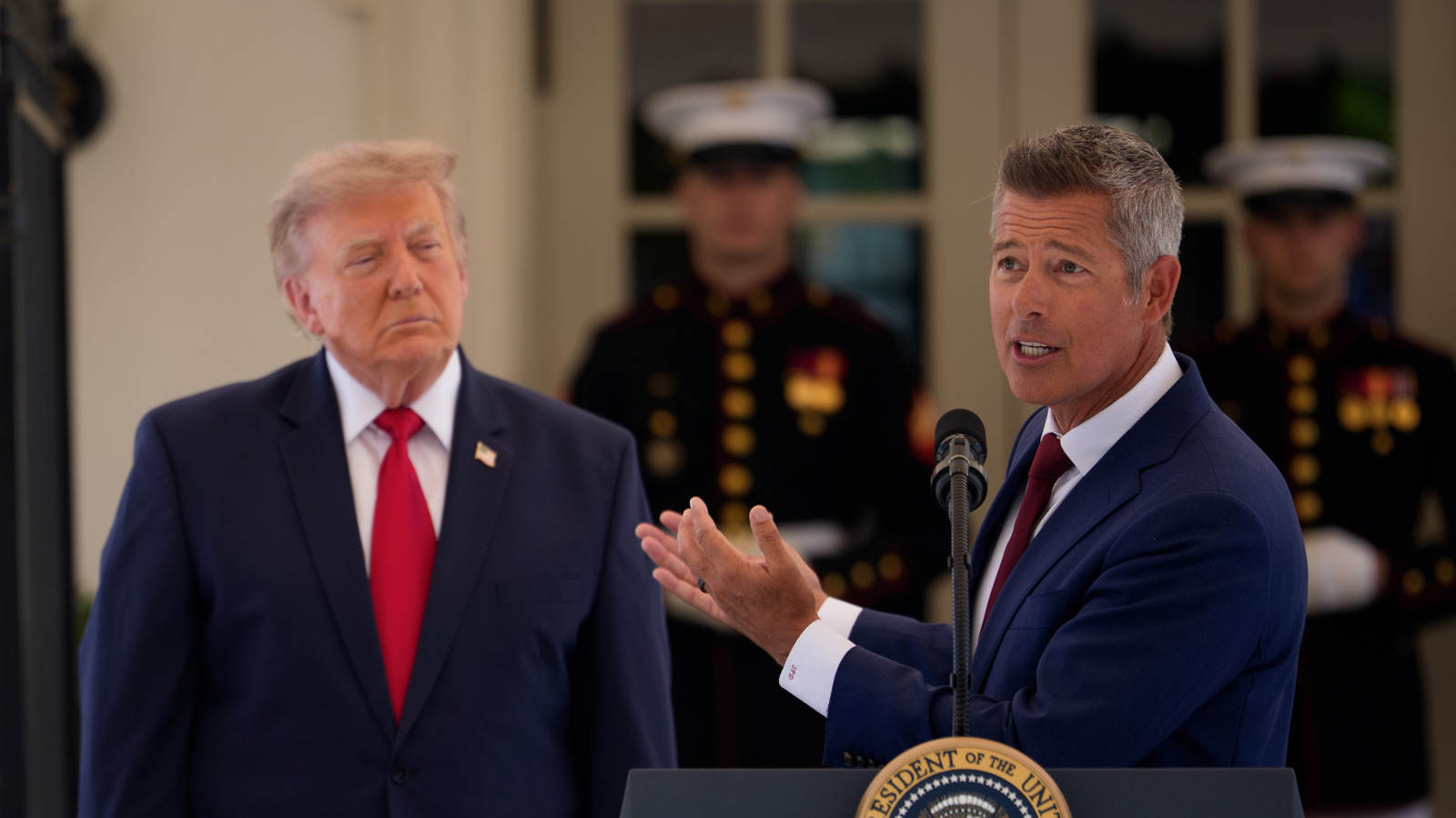
# Trump Names Sean Duffy Transportation Secretary: Cabinet Process Exposes Leadership Vacuum
Donald Trump selected Sean Duffy as Secretary of Transportation, filling one of the final cabinet positions in his incoming administration. Duffy, a former Wisconsin congressman and Fox News personality, brings no automotive industry experience, no transportation policy background, and no obvious qualifications beyond personal loyalty to the president-elect.
The appointment reflects a broader reality of Trump's cabinet construction. Premium positions filled early included Treasury, State, and Defense. By the time Transportation came around, Trump had exhausted his inner circle of business allies and political operatives. Duffy got the job because positions requiring substantive expertise had already gone to loyalists, leaving Transportation as a consolation prize for a television personality.
This matters for the auto industry and American drivers. The Transportation Secretary oversees the National Highway Traffic Safety Administration, which sets fuel economy standards, manages vehicle safety regulations, and shapes emissions policy. This role shapes trillion-dollar decisions across manufacturing, technology development, and environmental compliance. It requires understanding not just cars, but the intricate web of federal regulations that govern how vehicles are designed, tested, and sold.
Duffy's media career focused on commentary and entertainment, not transportation or infrastructure. His congressional record included no signature transportation legislation or deep policy work in the field. His appointment signals that expertise takes a back seat to personal relationships in Trump's staffing process.
The timing cuts deep. The auto industry stands at an inflection point. EV adoption rates, battery technology development, and manufacturing jobs hang on regulatory certainty. Ford, General Motors, and Tesla need clear signals about future emission standards, charging infrastructure investment, and tariff policy. A Transportation Secretary with credibility in the industry or transportation policy world could provide that clarity. Duffy inherits questions about whether Trump will roll back Biden-era EV mandates, how to manage the Chinese battery supply chain, and whether American auto plants will survive under new trade policies.
Duffy will inherit a staff of career bureaucrats at NHTSA and the Federal Highway Administration. These professionals understand crash testing protocols, structural engineering requirements, and the data science behind safety recalls. They provide continuity and institutional knowledge. But leadership matters when policies change direction. A secretary without transportation knowledge cannot interrogate his staff's assumptions, challenge industry lobbying positions, or understand the second-order effects of regulatory shifts.
The transportation secretary also manages infrastructure spending, highway safety programs, and aviation oversight. These roles demand technical competency alongside political judgment. Duffy's appointment raises practical questions about his ability to absorb briefing books on brake testing standards, tire regulation updates, and autonomous vehicle liability frameworks within his first weeks on the job.
Trump's cabinet process reveals a scarcity problem. The president-elect ran through his available pool of loyal operatives, conspiracy theorists, and TV personalities faster than expected. By Transportation, he had no better options than a Fox News regular. This staffing reality will ripple through the auto industry for the next four years, shaping which regulations hold and which collapse, which manufacturers thrive and which struggle.