# Florida's Shoulder-Driving Strategy: How the State Maximizes Highway Capacity During Congestion
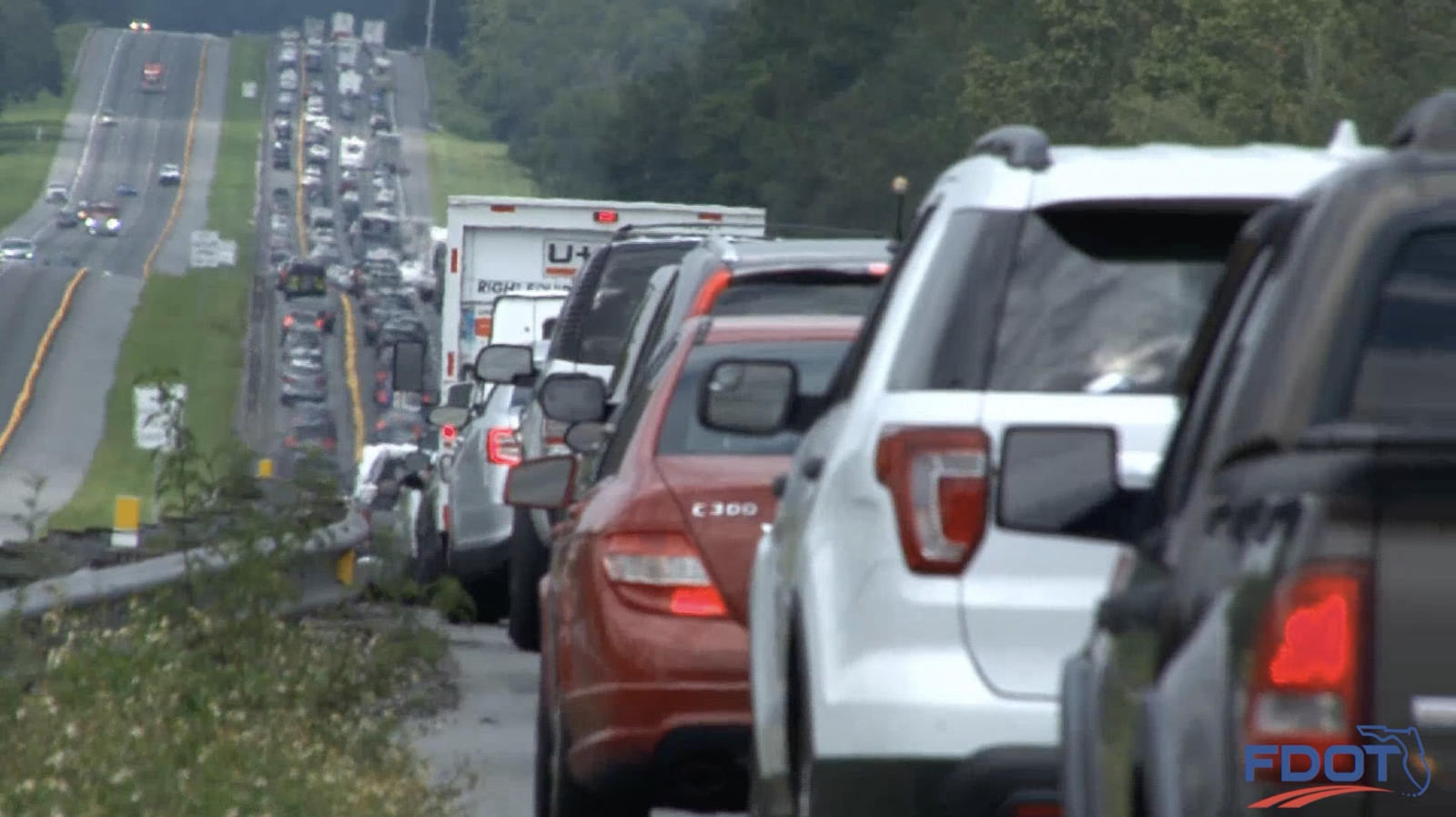
Florida turns highway shoulders into active traffic lanes during peak congestion periods, a strategy born from necessity in one of America's most traffic-choked states. The practice, called "shoulder use" or dynamic shoulder deployment, allows drivers to legally occupy the normally off-limits edge of major freeways when traffic volume exceeds normal capacity.
The Florida Department of Transportation implements this system primarily on Interstate 95 and other critical corridors serving Miami, Fort Lauderdale, and Tampa. When traffic sensors detect gridlock conditions, electronic signs instruct drivers that the shoulder is now open for travel. Once congestion clears, overhead signs command drivers back into standard lanes, and the shoulder reverts to its normal function as a breakdown zone.
This approach reflects a hard reality facing transportation planners across the nation. Building new highways costs billions of dollars, requires years of environmental reviews and land acquisition, and faces neighborhood opposition. Dynamic shoulder use extracts more capacity from existing infrastructure without widening roads. Florida gains an extra lane without pouring concrete.
The system works because it's temporary and controlled. Drivers know when shoulders are active through clear signage. Police can ticket violators when shoulders are closed. Emergency vehicles retain access during peak use, though response times may increase. The state essentially converts a three-lane freeway into a four-lane operation during rush hour, buying time and reducing bottlenecks.
Other states have adopted similar programs. California deploys shoulder lanes on I-395 near San Diego. Minnesota uses shoulders on Minneapolis highways. The strategy represents a pragmatic middle ground between doing nothing about congestion and spending a decade widening highways.
The downside exists. Shoulders filled with moving traffic become more dangerous for disabled vehicles. A broken-down car or disabled motorcycle on a functioning shoulder lane now sits in live traffic rather than in a designated refuge area. Accident response becomes more complex. Drivers who don't notice overhead signs and occupy shoulders illegally create hazards.
Florida's geography amplifies the traffic problem. The state's narrow peninsula forces I-95 to handle nearly all north-south traffic for fifteen million residents plus tourists. Winter snowbirds create seasonal surges that make permanent lane additions economically wasteful. Summer tourists heading to theme parks clog I-4 through Orlando. Hurricane evacuations have pushed I-75 to complete gridlock.
Dynamic shoulder use appeals to highway departments because the infrastructure exists. No new land acquisition. No environmental impact statements. No neighborhood fights. The state simply activates what's already there during peak demand hours.
The practice also reveals shifting priorities in urban transportation. Florida once tried to solve congestion purely through highway expansion. That approach proved too expensive and too politically difficult. Now the state optimizes its existing network instead. Toll lanes, reversible express lanes, and shoulder activation all represent this philosophy. Work with what you have, not what you wish you could build.
Drivers visiting Florida should expect this system. Watch overhead signage carefully. When signs indicate shoulder lanes are open, they're legal and safe to use. When signs turn off, exit immediately. The shoulder returns to emergency use only. It's traffic management for a congested era.