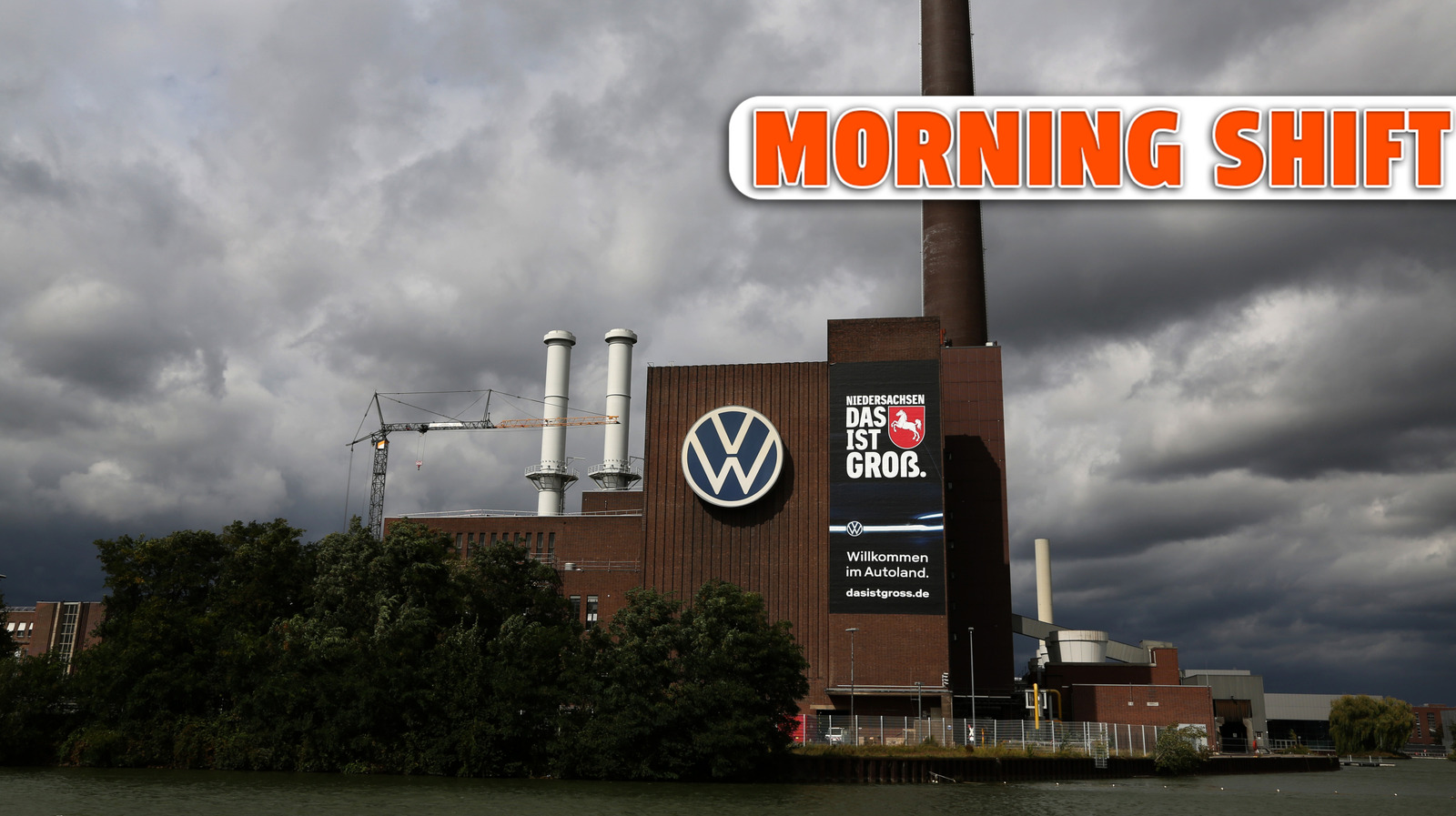
Volkswagen announced an $18.6 billion restructuring plan that centers on aggressive cost-cutting across its European operations, including factory closures and significant workforce reductions. The German automaker faces mounting pressure from slowing EV adoption, intensifying Chinese competition, and the need to fund its transition away from internal combustion engines. This marks one of the industry's most dramatic restructuring efforts in recent memory.
The spending plan targets VW's German operations most directly. The company plans to shutter multiple manufacturing facilities and cut tens of thousands of jobs across Europe over the coming years. VW has not yet disclosed which specific plants will close, but the scale of the announcement signals that no facility is off limits. German labor unions have already begun negotiations with management, as works councils hold considerable power in VW's governance structure. The restructuring reflects the reality that traditional automakers cannot maintain the same production capacity during the shift to battery-electric vehicles, which require fewer workers to assemble than combustion-powered cars.
The timing reveals deeper industry stress. Volkswagen's core German market has contracted, with EV sales plateauing after years of subsidies that propped up demand. Simultaneously, Chinese EV makers like BYD and newer entrants have captured market share with cheaper models and faster development cycles. VW's cost structure, burdened by high European labor rates and legacy pension obligations, leaves the company vulnerable to this new competition. Executives view restructuring as the only path to preserve profitability and fund R&D for competitive EV platforms.
The $18.6 billion will fund severance packages, plant decommissioning, and retraining programs for displaced workers. VW aims to offset these costs through operational efficiency gains and lower headcount in manufacturing. The company has already signaled that its ID series of electric vehicles will shift production toward lower-cost facilities in Eastern Europe and Mexico, away from German plants where labor agreements mandate premium wages.
Separately, Porsche has completed its sale of its remaining stake in Bugatti to Croatian-backed investor Rimac Automobili. Porsche retains a minority stake in the hypercar maker, but this transaction allows Rimac to take operational control of Bugatti's production. The deal underscores how traditional luxury automakers are divesting niche performance brands to focus resources on core EV transitions.
Meanwhile, the Boring Company secured a significant investment windfall from Emirati investors. Elon Musk's tunneling venture has struggled to secure funding outside of Musk's personal capital, but the Middle Eastern backing suggests renewed interest in infrastructure projects. The investment likely targets expanded tunnel construction in Dubai and other Middle Eastern cities.
These moves reflect the auto industry's severe contraction cycle. Volkswagen's restructuring represents the most visible evidence that the transition to electrification demands not just new factories and products, but a wholesale reduction in production capacity and workforce. European automakers with high cost structures face the harshest reckoning. VW's decision to cut $18.6 billion signals that years of gradual optimization have failed. The company now requires radical restructuring to compete in an era where Chinese producers and Tesla set both price and technology benchmarks. Factory closures and mass layoffs, once unthinkable at VW, have become inevitable.