# Trade War Tariffs Put Niche Vehicles in the Crosshairs
The U.S. trade dispute with Canada has expanded beyond agricultural and consumer goods to hit a surprising category: recreational vehicles manufactured north of the border. The Can-Am Spyder, BRP's three-wheeled roadster, now faces tariff barriers that threaten its viability in the American market. This escalation illustrates how trade tensions ripple through niche automotive segments that depend on cross-border supply chains and manufacturing integration.
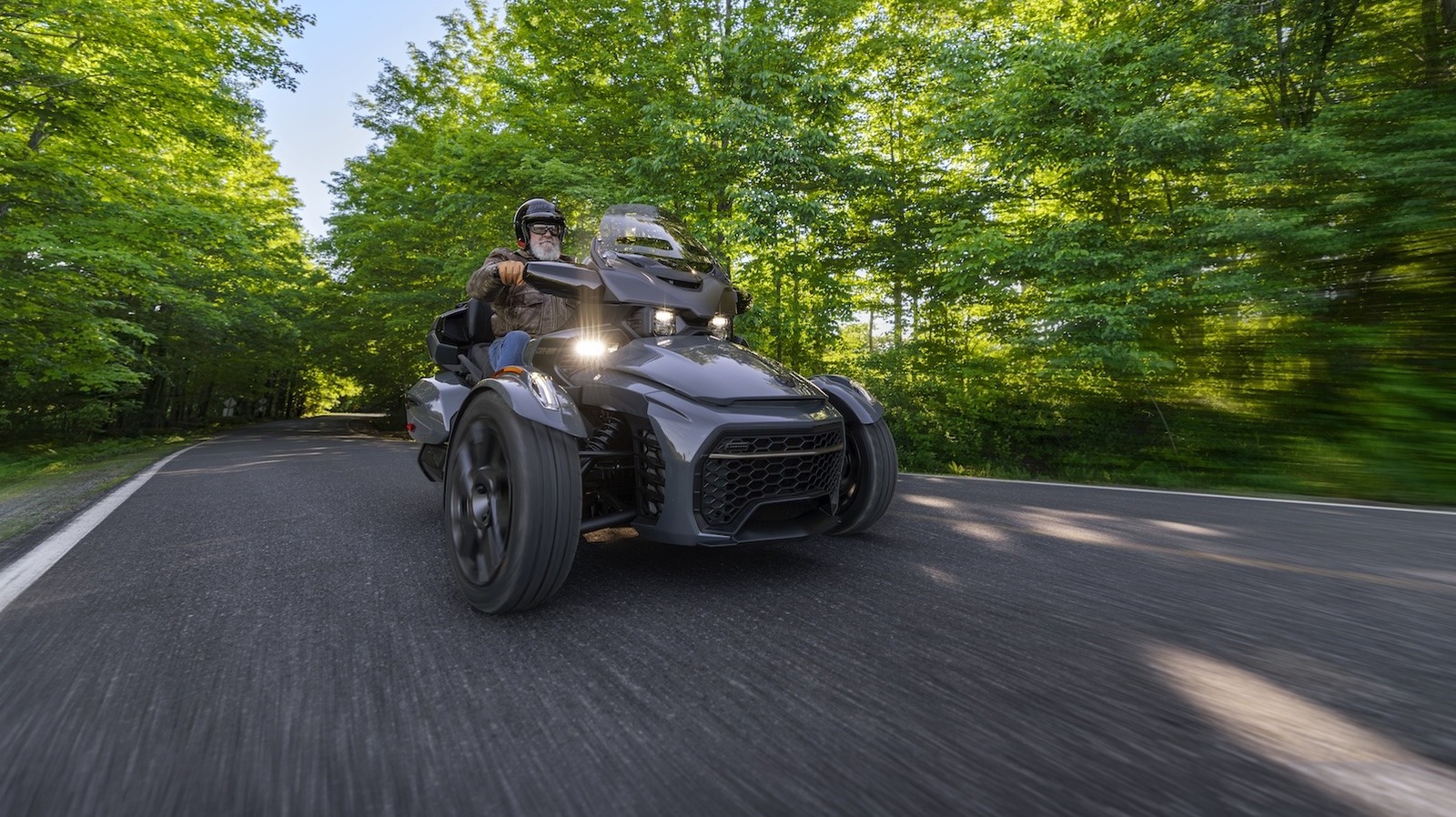
The Can-Am Spyder occupies a unique position in the powersports market. Built by Bombardier Recreational Products (BRP) in Canada, the Spyder sits between motorcycle and automobile categories. It attracts riders seeking an alternative to traditional two-wheelers without committing to a full car purchase. Pricing typically runs from $18,000 to $35,000 depending on engine size and features. The Spyder's twin-cylinder engines and three-wheel configuration deliver stability that appeals to aging enthusiasts and those uncomfortable on standard motorcycles.
The tariff regime targets internal-combustion motorcycles and three-wheelers specifically, creating an odd consequence. Vehicles powered by these engines face punitive duties that electric alternatives may avoid, depending on tariff structure. This economic distortion favors EV makers while punishing legacy powersports manufacturers who have not yet pivoted their entire lineups to electrification. BRP, a major Canadian employer with significant U.S. distribution networks, stands to lose sales volume if tariffs price the Spyder out of reach for middle-market buyers.
The Can-Am Canyon, another BRP offering, faces similar headwinds. Both vehicles rely on parts and assembly operations spanning the U.S. and Canada. Tariff penalties disrupt these integrated supply chains, raising production costs with no offsetting benefit to American workers since manufacturing already occurs on both sides of the border.
The powersports industry operates at smaller volumes than automotive segments, making tariff shocks particularly damaging. Polaris Industries, another major player, manufactures ATVs and side-by-sides both domestically and in Canada. The tariff regime risks fragmenting production decisions and pricing strategies across the market. Smaller manufacturers lack the financial flexibility to absorb tariff costs, potentially forcing market exits.
Historically, Canadian and U.S. powersports makers have benefited from integrated production. This arrangement allowed manufacturers to optimize cost and efficiency while maintaining North American competitiveness against Japanese and European rivals like Yamaha, Honda, and KTM. Tariffs reverse these incentives, creating pressure to relocate production or abandon certain markets entirely.
The dairy and alcohol tariffs grab more headlines, but the motorcycle and three-wheeler provisions expose a fundamental problem with broad trade actions. Policy makers rarely anticipate secondary effects on niche industries with thin margins and limited consumer awareness. The Can-Am Spyder has no natural domestic substitute. American manufacturers do not build three-wheeled roadsters in volume. Tariffs therefore achieve no protectionist goal for American jobs; they simply transfer wealth from BRP to the U.S. Treasury.
For enthusiasts and dealers, the message is clear. Purchase a Can-Am Spyder or Canyon now while tariff policies remain uncertain. Once duty schedules settle, pricing will reflect the new reality. BRP faces a choice between absorbing tariff costs, raising prices and cutting sales volume, or shifting production. None of these outcomes benefit the company or American consumers seeking imported recreational vehicles.
This trade war collateral damage extends beyond household names. Niche automotive segments lack political voices to defend their interests in Washington. The Spyder's fate serves as a reminder that trade policy operates with blunt instruments, injuring unexpected targets while failing to achieve stated objectives.