# Highway vs. Freeway: Understanding the Road Classification Divide
The terms "highway" and "freeway" get tossed around casually in everyday driving conversation, but they describe different road systems with distinct legal and structural characteristics. Understanding the distinction matters for drivers, urban planners, and anyone navigating America's road network.
A highway is the broader category. It encompasses any major road designed to carry traffic across significant distances. Highways connect cities, regions, and states. They include interstate highways, U.S. routes, and state routes. The defining feature of a highway is its primary function: long-distance transportation with higher speed limits than local roads. A highway might pass through towns, have traffic lights, intersections with cross traffic, and multiple lanes that vary depending on location. The key word is "designed for" not "restricted to" through traffic.
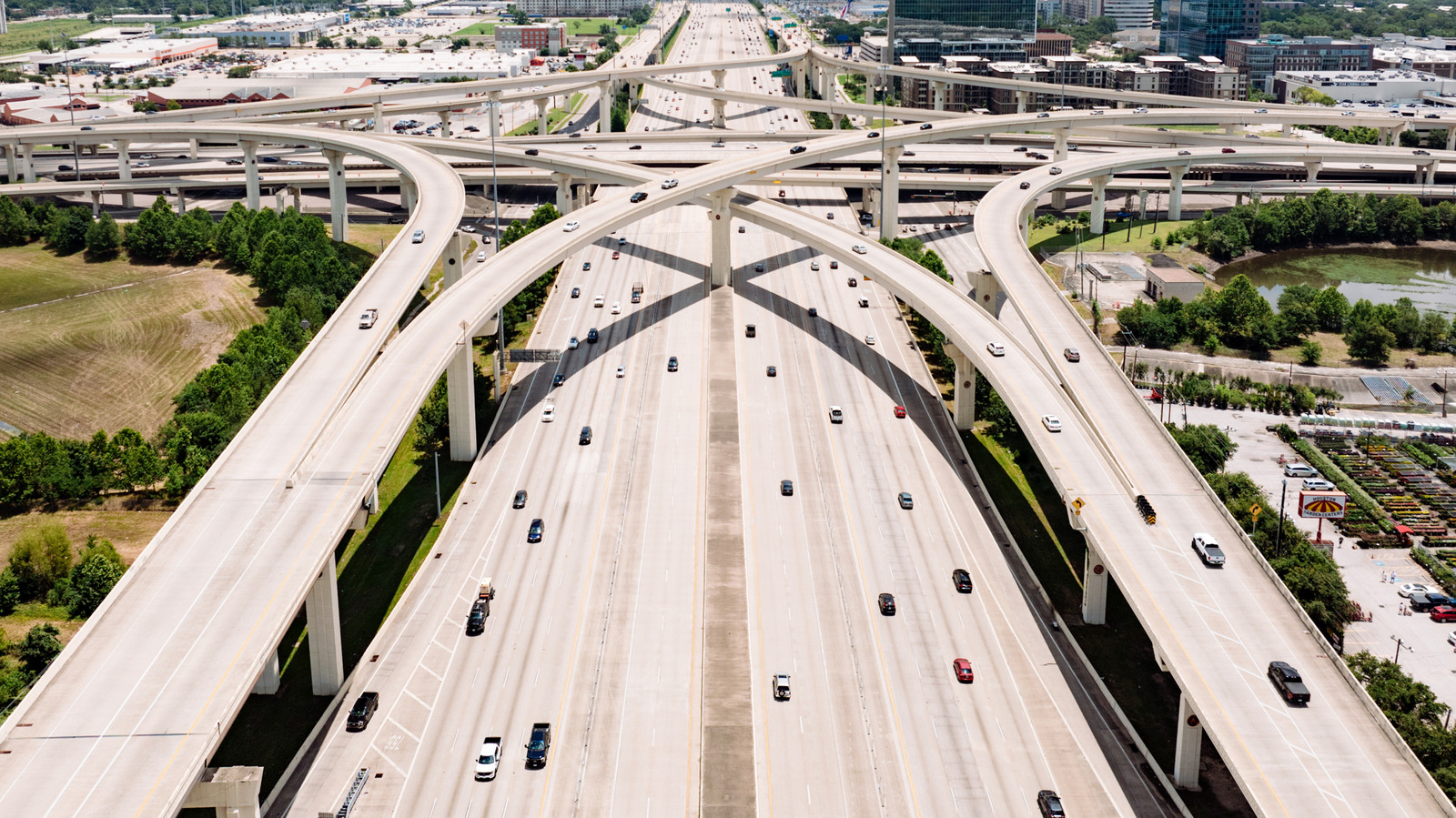
A freeway is a specific type of highway with strict access control. Freeways eliminate at-grade intersections, meaning you cannot cross the road at ground level and traffic cannot merge in from side streets. Access happens only at designated interchanges with on-ramps and off-ramps. Freeways prohibit pedestrians, bicycles, and certain vehicle types. No traffic lights interrupt the flow. This controlled-access design allows traffic to move at consistently higher speeds, typically 55 mph to 75 mph depending on posted limits and conditions.
The Interstate Highway System, created in 1956 and championed by President Eisenhower, established America's premier freeway network. Interstate 95 running from Maine to Florida, Interstate 405 cutting through Southern California, and Interstate 80 spanning coast-to-coast all qualify as freeways. They represent the premium tier of road infrastructure.
However, U.S. Route 101 in California illustrates the highway-but-not-freeway distinction. Large sections of US-101 operate as controlled-access freeways with full grade separation. Other sections run at-grade through towns and cities with traffic lights and intersections. This mixed operation makes it a highway, but only portions meet the freeway definition.
State routes present another example. Many state highways maintain traditional at-grade intersections with cross traffic and local access points. New York State Route 17, Pennsylvania State Route 422, and California State Route 1 (Pacific Coast Highway) all qualify as highways but lack the full access control of freeways.
The practical difference affects driver experience directly. On a freeway, you merge seamlessly and maintain momentum. On a highway, you might encounter stop-and-go traffic at signals, deal with cross traffic at intersections, and navigate around pedestrians. Freeway driving demands less attention to potential cross-traffic hazards but requires understanding merge and exit protocols. Highway driving in congested areas requires constant vigilance.
Insurance rates sometimes reflect this distinction. Freeway accidents often involve higher speeds, making them more severe. Highways through populated areas generate different accident patterns, typically lower speeds but more frequent impacts.
Urban planners and transportation departments carefully distinguish between these classifications when designing road networks, allocating budgets, and setting maintenance priorities. A city cannot simply declare a main arterial street a freeway without constructing grade separations and eliminating all at-grade access points, work that costs millions per mile.
For drivers, the distinction clarifies what to expect. Entering a freeway signals controlled conditions and sustained speed. A highway designation means adapting to whatever mix of access control and intersections that particular route features.