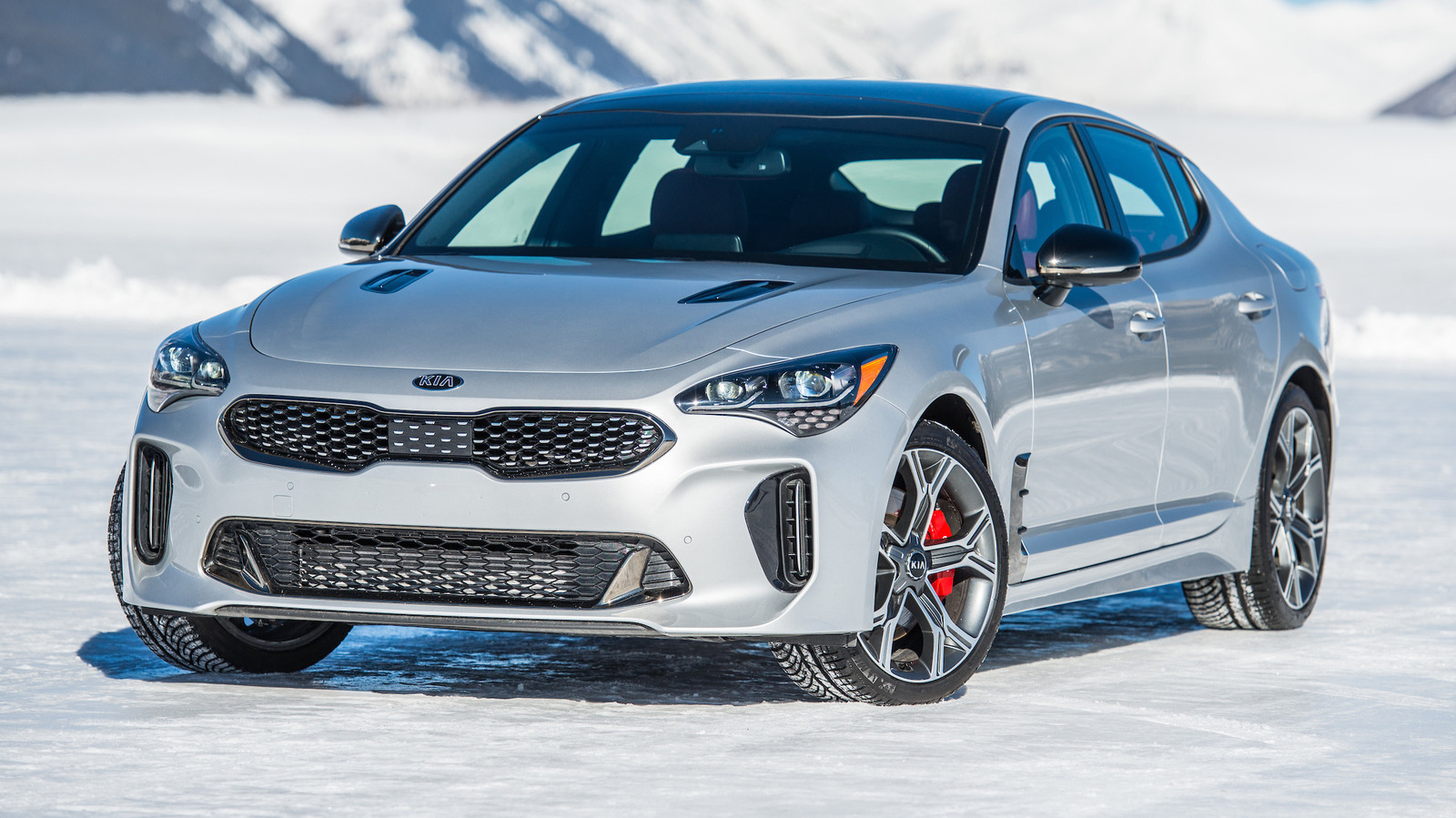
The 2021 Kia Stinger remains one of the few affordable performance sedans on the used market, but buyers chasing that $35,000 to $45,000 price point need to understand the reliability compromises before signing paperwork.
Kia's rear-wheel-drive sport sedan arrived in 2018 with genuine speed credentials. The base 2.0-liter turbocharged four-cylinder produces 255 horsepower. The optional 3.8-liter V6 delivers 365 horsepower and 376 pound-feet of torque. Both engines pair with eight-speed automatics. That powertrain combination punches well above its price class, which explains why used Stingers attract buyers fleeing German sports sedan depreciation traps.
The problem is execution. The 2021 model year carries a growing reputation for electrical gremlins, transmission hesitation, and component failures that emerge after 40,000 to 60,000 miles.
Electrical systems consistently frustrate owners. Dashboard warning lights activate for no apparent reason. Infotainment systems freeze or disconnect from phones unpredictably. Brake light issues crop up repeatedly in owner forums, with some drivers reporting lights that fail despite functional bulbs. Climate control malfunction ranks as another recurring complaint, with compressors failing prematurely in otherwise well-maintained examples.
The eight-speed transmission exhibits concerning patterns. Owners report delayed downshifts during acceleration, creating dead spots between gear changes. Some vehicles shudder during low-speed driving or hesitate when shifting from Park to Drive. Transmission fluid contamination also appears in service records, suggesting potential internal wear issues earlier than expected.
Engine knock and carbon buildup problems plague both the turbocharged four and the V6. The four-cylinder develops detonation issues that dealers struggle to diagnose. The V6 develops fuel system carbon deposits that reduce power and increase emissions. Both scenarios require costly cleaning procedures or engine work.
Suspension and steering components show premature wear. Control arm bushings deteriorate quickly on vehicles used for spirited driving. Power steering racks develop noise and resistance sooner than comparable competitors. Brake pad wear patterns indicate uneven rotor contact, leading to pulsation at highway speeds.
Transmission failures occur before 70,000 miles on some examples, with repair costs reaching $4,000 to $6,000. Engine replacements following catastrophic knock damage approach $10,000. These numbers eliminate the financial advantage of the Stinger's initial bargain pricing.
Kia's warranty coverage helps, but lapsing protection leaves buyers vulnerable. The factory powertrain warranty extends to five years or 60,000 miles. Used buyers inheriting partial coverage face major repair bills if problems develop after warranty expiration.
Smart shoppers should demand a pre-purchase inspection from an independent mechanic familiar with Stingers. Focus on transmission responsiveness during test drives. Listen for engine knock under acceleration. Check all electrical systems methodically. Request complete service records documenting any warranty work or component replacements.
The 2021 Stinger remains a compelling value for buyers who verify maintenance history and spot existing issues before purchase. However, the model's spotty reliability record means pricing should reflect these risks. A Stinger with full records and no warning signs commands respect. One with transmission hesitation or electrical faults requires negotiating leverage.