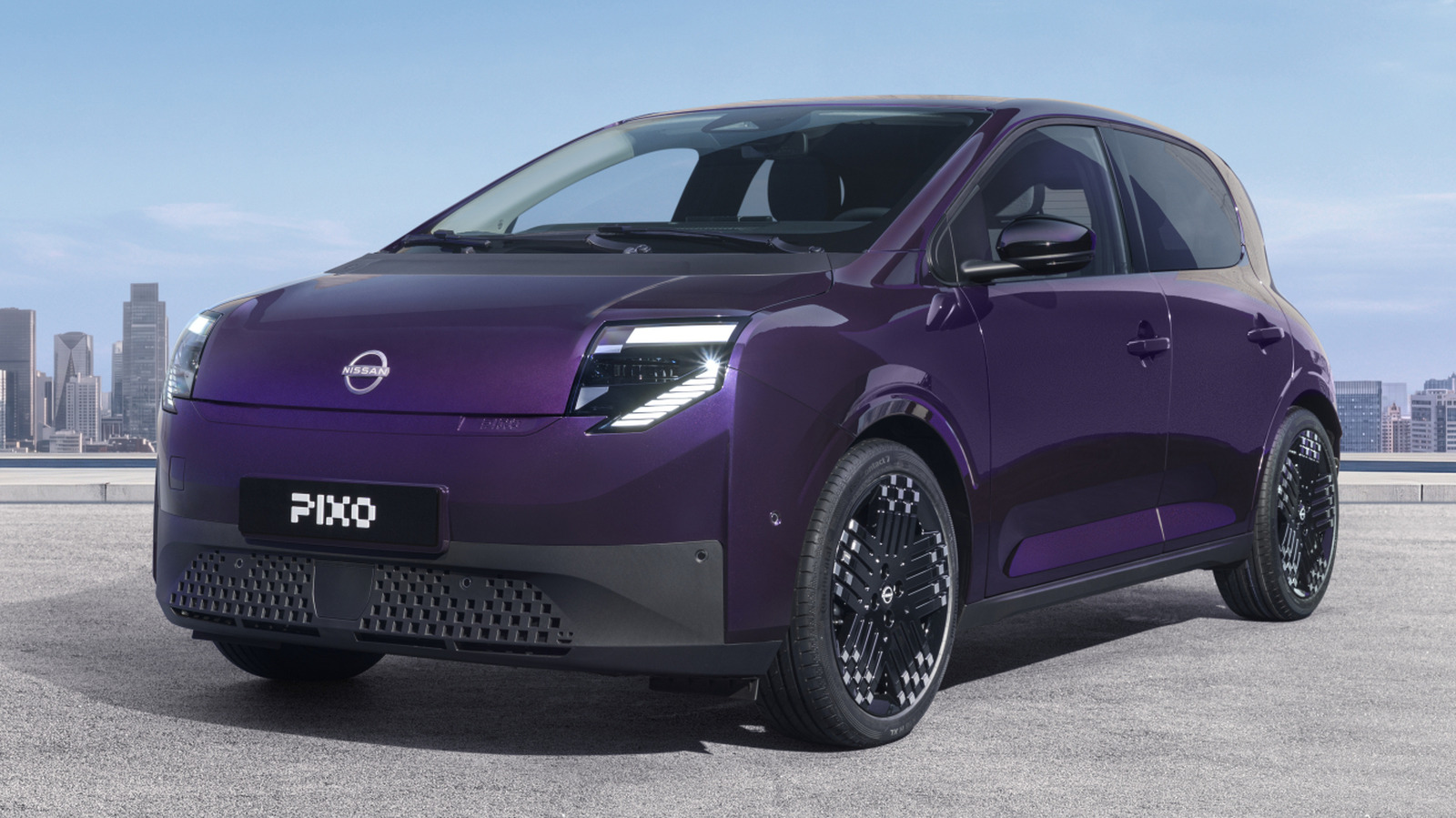
Nissan has resurrected the Pixo nameplate with a new city car that borrows heavily from the Renault Twingo platform, joining a growing segment of compact, affordable urban vehicles designed for tight European streets and parking spaces. The Pixo delivers practical cuteness without quite matching the charm of its French cousin, but it carves out its own identity in a crowded micro-car market.
The Pixo sits at the intersection of Nissan's cost-reduction strategy and the reality of modern city mobility. Rather than develop an entirely new platform, Nissan opted to share underpinnings with the Renault Twingo, a smart engineering decision that spreads development costs across the Renault-Nissan-Mitsubishi Alliance. This approach lets Nissan compete in the entry-level city car segment without the R&D investment of a ground-up design.
Styling differentiates the two vehicles substantially. The Renault Twingo commands attention with its playful proportions, rounded surfaces, and distinctive face that borders on whimsical. The Pixo takes a more restrained approach. Its design language feels cleaner and less exuberant, prioritizing practicality over personality. That said, the Pixo still delivers genuine visual appeal through its compact footprint, modern lighting treatment, and accessible pricing structure. Nissan clearly aimed for "approachable and affordable" rather than "statement-making."
This positioning matters in Europe, where city cars remain essential transportation. Urban dwellers face parking nightmares, expensive fuel, and congestion charges in major cities. The Pixo tackles these pain points through a diminutive size, reasonable fuel consumption, and a price point accessible to first-time buyers and fleet operators. The Twingo launched this generation in 2014, proving the platform's durability and marketability. Nissan's entry-level city car segment has matured significantly since then, with competitors including the Fiat 500, Peugeot 108, and Citroën C1.
Power figures and efficiency ratings remain central to this category's appeal, though Nissan hasn't detailed exact specifications in the available announcement. The Twingo's engine lineup typically includes efficient three-cylinder gasoline options, delivering sufficient grunt for city driving while keeping insurance costs manageable for younger buyers and cost-conscious consumers.
The micro-car market reflects broader industry trends. European manufacturers recognize that not every driver needs or wants a full-size sedan. Smaller vehicles consume fewer resources, generate lower emissions, and solve genuine urban mobility problems. Electrification will reshape this segment eventually, but conventional combustion engines still dominate here.
Nissan's Pixo revival signals confidence in the city car segment's longevity. The brand previously discontinued the nameplate but recognized an opportunity to re-enter the space with a competitive offering. By leveraging the Renault platform, Nissan gains immediate market credibility while maintaining cost discipline. The Pixo won't steal the Twingo's thunder in the adorability sweepstakes, but it offers practical transportation wrapped in a genuinely likable package that appeals to European buyers navigating daily urban challenges.