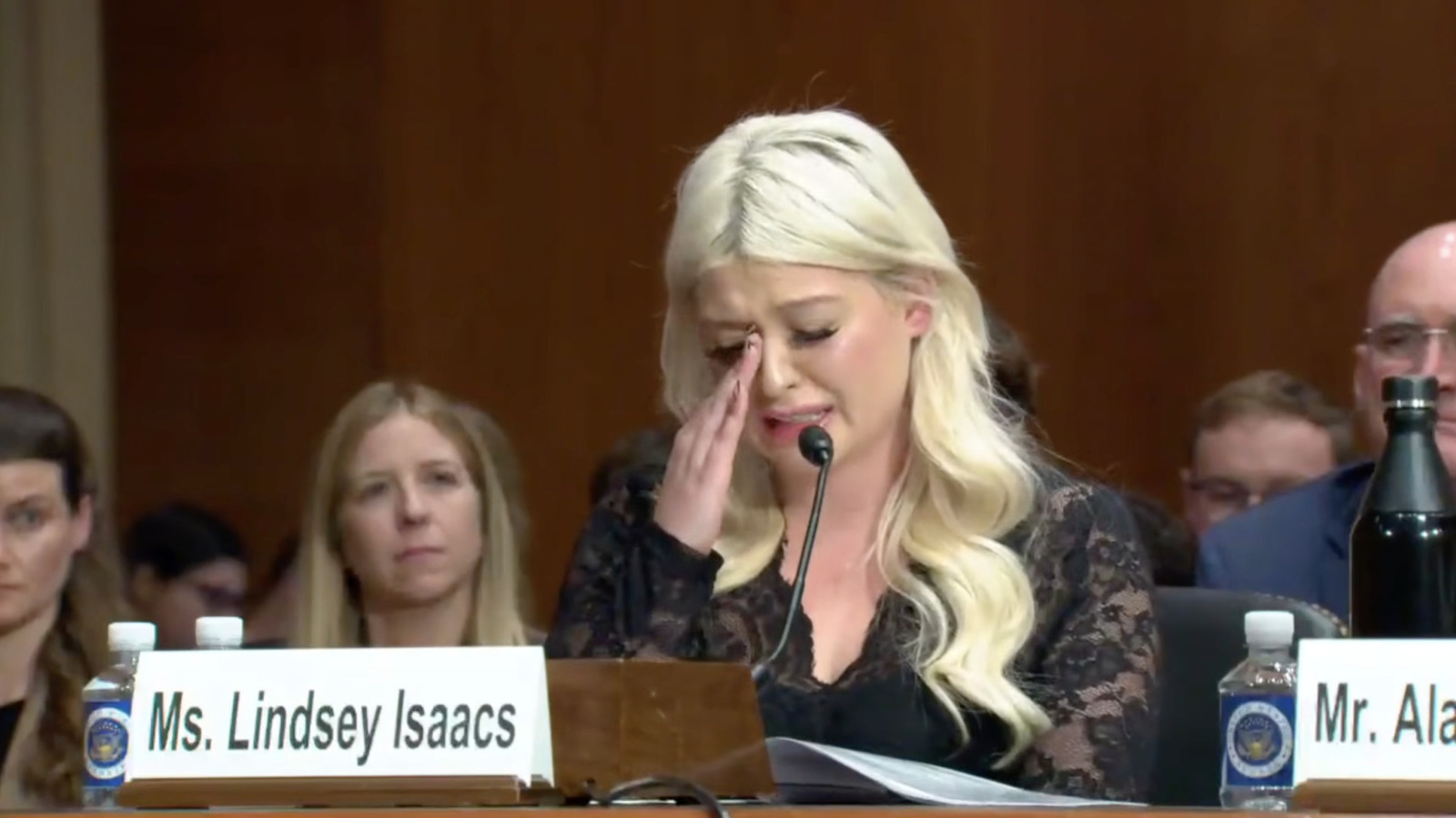
Lindsay Isaacs spent three and a half days in solitary confinement after Florida Highway Patrol arrested her on eight felony charges, including vehicular homicide. The arrest rested on a single, catastrophic error: police mistook her vehicle for a car of a different color involved in a hit-and-run.
Flock cameras, automated license plate readers deployed across Florida highways, identified what authorities believed was Isaacs' vehicle at the scene of a serious traffic incident. The problem was straightforward. Isaacs drove a car of one color. The actual suspect vehicle was a different color entirely. Despite this obvious discrepancy, law enforcement proceeded with the arrest anyway.
The case exposes a dangerous gap in how police departments deploy and validate data from automated surveillance technology. License plate readers generate millions of data points daily, flagging vehicles for investigation. But matching a plate to a car requires human verification, especially before an arrest warrant issues. In Isaacs' case, that verification failed. Officers either ignored the color mismatch or never bothered to check it against the camera footage that spawned the lead.
Flock Safety, the company behind the camera network, markets its system as a law enforcement tool that reduces response times and improves accuracy. Departments across the country have adopted these cameras to combat property crime and vehicle theft. The technology itself works as advertised. A camera reads a plate. Data flows to police computers. Officers get faster leads than traditional investigation methods provided.
What Flock cannot do is ensure departments use the data responsibly. The technology identifies suspects. Humans must verify those identifications before making arrests. In Isaacs' case, that human step broke down entirely.
Isaacs spent 86 hours locked in a cell before authorities realized their mistake and released her. She faced eight felony charges, each carrying serious prison time. The color mismatch that should have stopped the arrest at a supervisor's desk somehow survived multiple decision points: the initial warrant application, the arrest itself, the booking process, and the early detention period.
This incident reflects a broader pattern in how law enforcement adopts surveillance technology without building sufficient safeguards. Flock cameras are tools. They generate leads. But leads require verification, especially before they result in felony charges and incarceration. The Florida Highway Patrol apparently treated the Flock alert as conclusive evidence rather than a starting point for investigation.
Isaacs' case will likely inspire lawsuits against both the police department and potentially Flock Safety itself, depending on what her attorneys discover about the company's terms of service and warnings about verification protocols. The incident already raises questions about how many other incorrect arrests have occurred based on similar technology failures. Most never generate headlines because their subjects lack Isaacs' documented proof of innocence or media attention.
For law enforcement agencies deploying automated license plate readers, the lesson is clear. Technology speeds investigation. It cannot replace human judgment. A vehicle color mismatch is not a minor detail. It is the kind of basic fact-checking that must happen before officers knock on doors or make arrests. Flock cameras work best when departments treat them as investigative leads, not investigative conclusions.