# High Fuel Prices Force Car Enthusiasts to Rethink Driving Habits and Transportation Choices
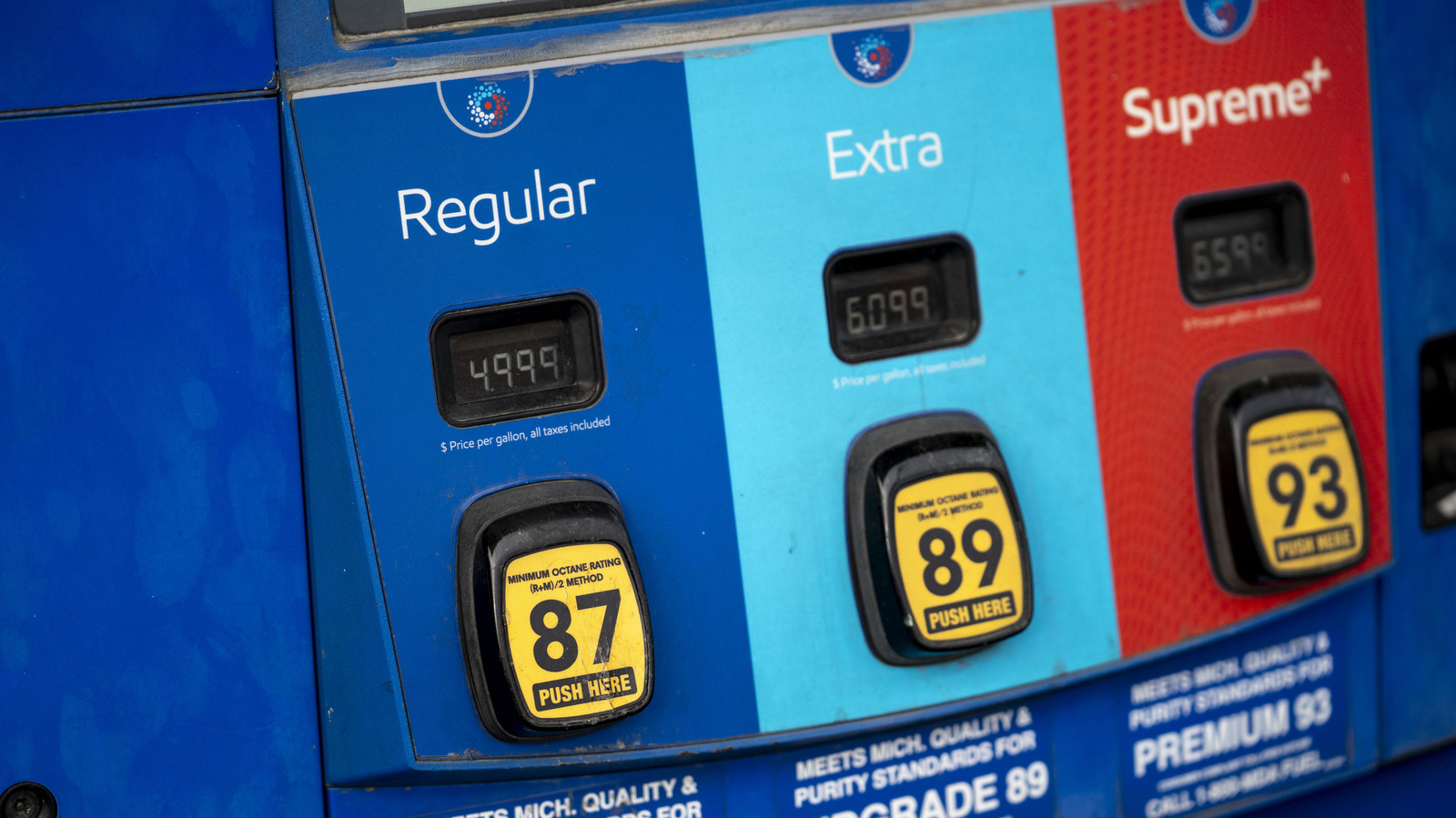
Fuel prices remain elevated across North America, pushing even dedicated automotive enthusiasts to confront hard budget realities. The cost per gallon has climbed far enough that joy rides, weekend cruises, and spirited driving sessions now carry real financial weight for owners of performance cars, trucks, and inefficient vehicles.
This trend reflects a broader shift in how consumers approach vehicle ownership and usage. Enthusiasts who once treated their cars as weekend entertainment now calculate fuel costs per mile. A spirited drive in a V8-powered muscle car or a naturally aspirated sports car that returns 15-18 miles per gallon represents a significant expense when pump prices hover near or above $3 per gallon in many regions.
The response from the enthusiast community has been mixed but revealing. Some drivers consolidate trips to reduce total miles traveled. Others dust off bikes, motorcycles, and scooters for shorter commutes, preserving their primary vehicles for occasions that justify the fuel burn. A portion of owners have shifted focus toward more fuel-efficient secondhand vehicles or are deferring major road trips altogether. Track day participants face harder choices about how many events they can attend annually.
This pressure affects purchasing decisions too. Buyers shopping for used performance cars now factor running costs more heavily into acquisition decisions. A Dodge Charger R/T or Chevrolet Camaro SS remains desirable, but the ongoing expense calculus looks different than it did during cheaper fuel periods. Electric vehicle adoption continues climbing partly because of this dynamic, though enthusiasts debate whether an EV can truly replace the driving experience delivered by traditional combustion engines.
Manufacturers have noticed. While high fuel prices won't kill V8 engine offerings entirely, the market has tilted decisively toward efficiency. Turbocharged smaller engines, hybrid powertrains, and electrification accelerate across model lineups. Truck buyers increasingly opt for diesel engines or hybrid variants despite higher upfront costs. Daily drivers gravitate toward compact hatchbacks and sedans over SUVs and crossovers.
The enthusiast segment also reveals interesting contradictions. Performance car sales haven't collapsed entirely, suggesting that some buyers prioritize passion over pure economics. However, the number of miles driven in performance vehicles has likely declined. Insurance and maintenance costs compound the fuel expense problem, making ownership of multiple cars or powerful weekend vehicles a luxury fewer people can justify.
Geographic variation matters significantly. Enthusiasts in states with lower fuel taxes face less pressure than those in California or other high-tax regions. Rural drivers who face longer distances between destinations experience greater impact than urban enthusiasts who can walk, bike, or use transit for daily needs.
The current environment creates opportunity for manufacturers of efficient daily drivers and used-vehicle markets for fuel-sippers. Classic car and collector vehicle ownership becomes a luxury pursuit for affluent buyers only. Performance cars increasingly appeal to younger buyers who either drive them sparingly or accept the fuel expense as part of the ownership experience.
Enthusiasts continue adapting rather than abandoning cars entirely. The enthusiast community persists, simply smaller and more selective about when and how they drive.