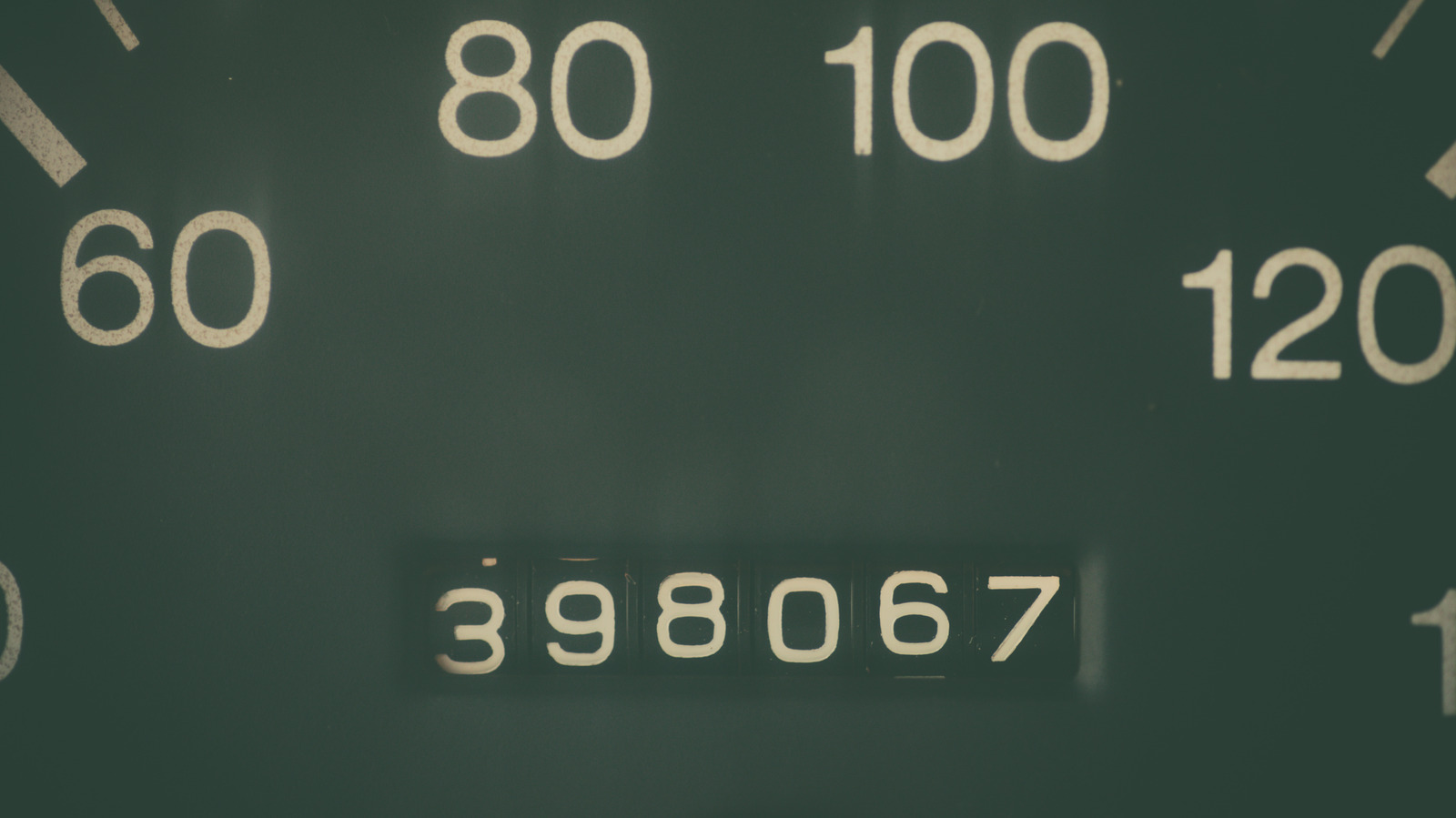
# Nine Essential Maintenance Steps to Push Your Car Past 300,000 Miles
Reaching 300,000 miles on a single vehicle is achievable, but only with deliberate execution. It demands far more than engine durability and periodic oil changes. Drivers serious about extending their vehicle's lifespan need a comprehensive maintenance strategy that addresses every system from fluids to suspension.
Routine oil changes remain foundational, but the interval matters. Manufacturers now space oil changes at 5,000 to 10,000 miles depending on the engine and oil type. Synthetic oils last longer than conventional blends, making them worth the extra cost on high-mileage vehicles. Skipping intervals accelerates wear on pistons, bearings, and valve trains. Most engines at 300,000 miles show minimal damage when oil quality stayed consistent throughout their life.
Coolant and transmission fluid deserve equal attention. These fluids break down over time and lose their protective properties. Flushing coolant every 30,000 to 50,000 miles prevents corrosion inside the engine block. Transmission fluid carries heat away from gears and clutches. Burnt or dark transmission fluid signals friction and heat damage. Regular flushing extends transmission life by thousands of miles.
Spark plugs are wear items that owners often neglect. Original plugs can last 100,000 miles in modern vehicles, but replacement becomes cheap insurance against misfires and poor fuel economy. Fresh plugs cost under $150 for most cars.
Brakes require inspection every oil change and replacement before pads wear into rotors. Metal-on-metal contact destroys both components. Brake fluid absorbs moisture over time and loses its boiling point. Moisture also causes corrosion in calipers and master cylinders. Flushing brake fluid every two years prevents expensive hydraulic repairs.
Suspension components wear under constant stress. Ball joints, tie rods, and control arm bushings fail silently until steering becomes loose or alignment drifts. Replacing worn suspension parts before they damage tires and wheels saves money overall.
Tires need rotation every 5,000 to 7,000 miles to equalize wear. Misaligned wheels cause tires to wear unevenly and fail prematurely. A four-wheel alignment costs under $200 and directly extends tire life.
Battery terminals corrode and reduce electrical flow. Cleaning terminals annually prevents charging system strain. Alternators work harder on corroded connections, shortening their lifespan.
The air filter restricts airflow when clogged, forcing the engine to run rich. Carbon buildup follows, increasing wear. Checking the air filter every 15,000 miles keeps the engine clean.
Finally, document everything. Service records prove maintenance consistency to future buyers and help diagnose issues quickly when they appear. A well-maintained 300,000-mile vehicle becomes a reliable daily driver rather than a liability. The investment in preventive maintenance costs far less than engine rebuilds or transmission replacements. Owners who follow these steps consistently turn mileage into an asset instead of a risk factor.