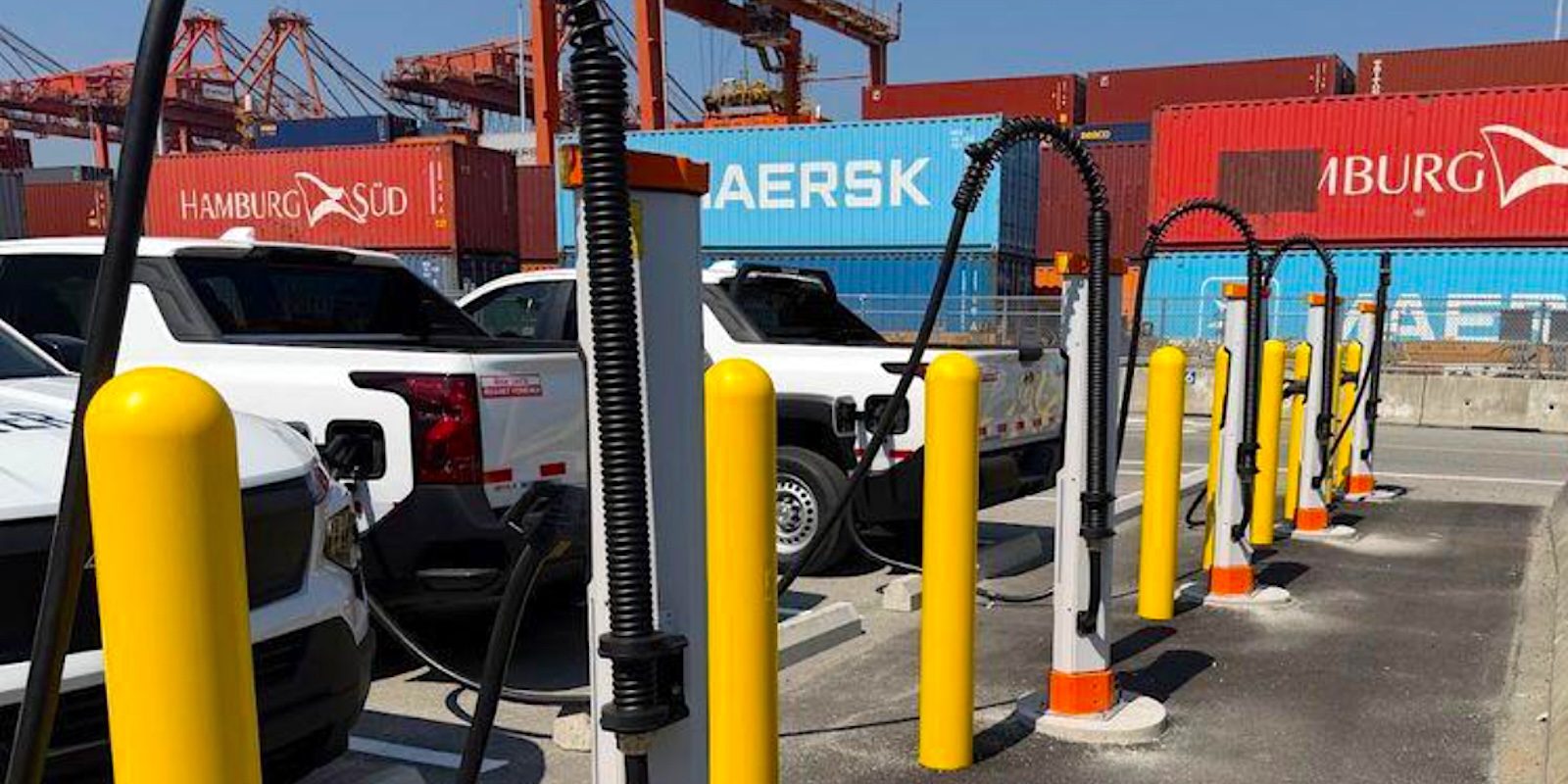
Finnish charging manufacturer Kempower has secured a major contract to deploy high-speed EV charging infrastructure across DP World's Canadian terminal operations. The first two charging stations are already operational, marking the beginning of a broader rollout designed to electrify commercial vehicle fleets operating at Canadian ports.
This deal reflects a growing trend in port infrastructure upgrades. Shipping terminals, warehouses, and logistics hubs increasingly recognize that electric charging networks are essential for maintaining operations as commercial fleets transition away from diesel. Port operations run 24/7 with heavy truck traffic, creating ideal conditions for deployed charging stations that can service multiple vehicles daily.
Kempower specializes in ultra-fast charging systems purpose-built for commercial applications. The company's modular architecture allows operators to scale charging capacity based on demand. Unlike passenger-car chargers, port-focused systems handle sustained heavy loads across multiple simultaneous charging sessions. This is critical in logistics environments where downtime directly impacts revenue.
DP World operates container terminals across Canada's major ports, including facilities in Vancouver, Toronto, and other gateway locations. These terminals handle millions of containers annually and employ hundreds of commercial vehicles. Electrifying these fleets eliminates diesel emissions in urban port areas while reducing operating costs for trucking companies and terminal operators.
The deployment timeline matters here. Two stations are live, but Kempower plans to expand to all DP World Canadian facilities. This phased approach allows operators to gather real-world performance data before committing to full-scale deployment. Early learnings will inform pricing, utilization rates, and charge speeds across different terminal configurations.
Canada's port sector faces mounting pressure to decarbonize. The Canadian government has set targets for zero-emission vehicle adoption in commercial sectors. Port authorities increasingly view charging infrastructure as competitive differentiators. Terminals with robust EV charging attract cleaner fleets and environmentally conscious logistics partners. This contract strengthens DP World's sustainability credentials in Canada's competitive port market.
Kempower's selection over competitors like Tesla Supercharger, Electrify America, or ABB reflects its technical fit for heavy-duty operations. The company has deployed systems in Nordic ports and understands cold-weather performance, relevant for Canadian winters. Its software platform enables remote monitoring and fleet optimization, allowing terminal operators to track utilization and forecast future capacity needs.
Commercial trucking represents the next frontier in electrification. Long-haul trucking remains challenging due to range limitations and charging time, but regional drayage operations within ports are perfect for EV conversion. Most port trucks operate fixed routes over short distances, typically under 100 kilometers daily. This usage pattern aligns perfectly with current battery technology and charging infrastructure.
The deal signals confidence in North American port electrification. Kempower's expansion into Canada follows successful deployments in Europe and positions the company ahead of traditional automotive charging players pivoting toward commercial markets. As supply chains reorganize around sustainability metrics, ports become critical infrastructure nodes where charging investments pay dividends across entire regional economies.
This announcement represents one piece of a larger shift. Port operators globally are racing to deploy charging infrastructure. Whether Kempower can scale manufacturing to meet demand across multiple regions remains an open question, but the initial two operational stations prove the concept works in Canadian conditions.