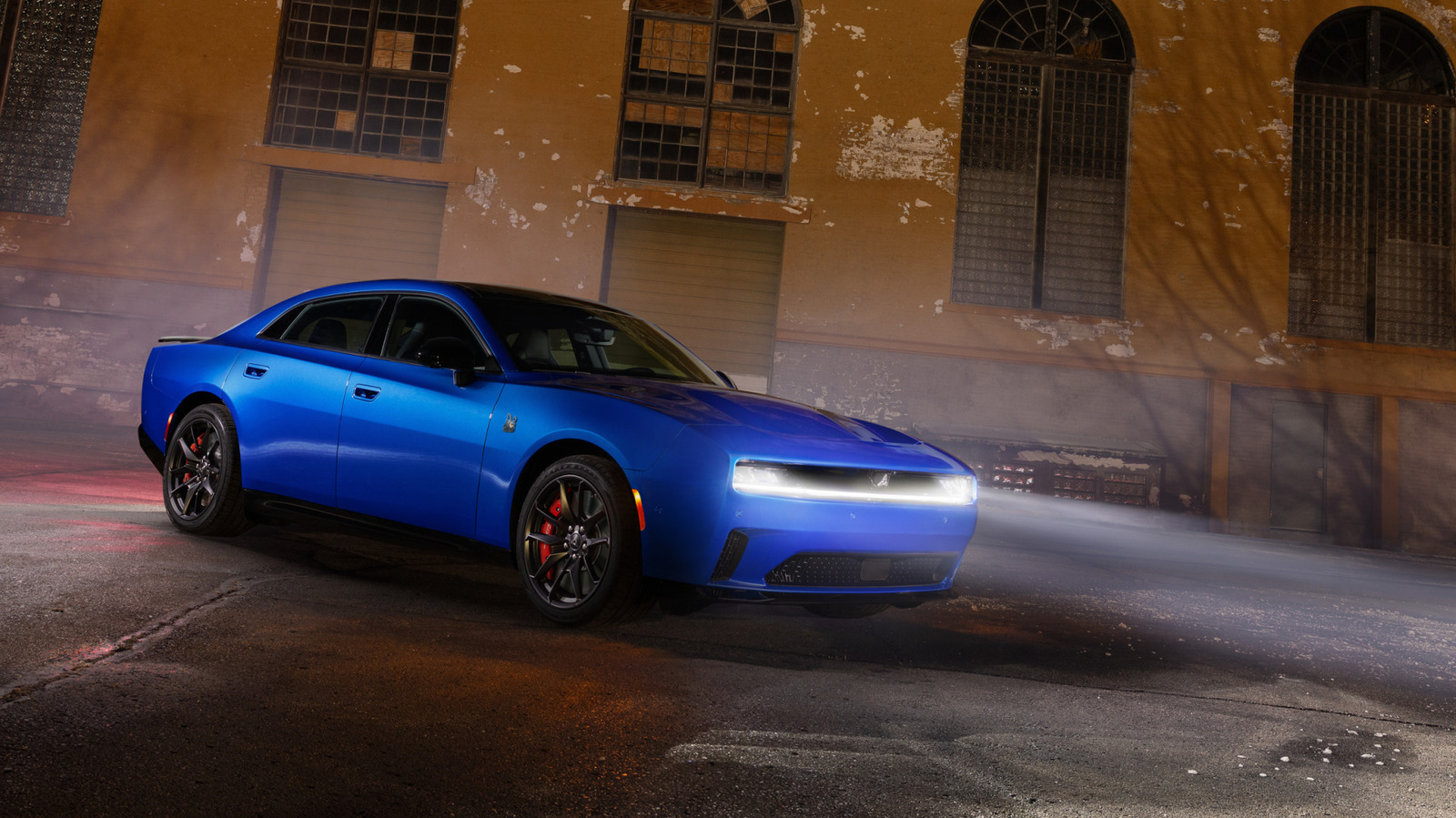
Electric vehicles have shattered the acceleration benchmarks once reserved for six-figure supercars. A dozen production EVs now crack the sub-3.5-second sprint to 60 mph, a threshold that defines genuine performance across the automotive world.
This acceleration capability stems from how electric motors work. Unlike internal combustion engines that build torque gradually through the rev range, electric motors deliver maximum torque instantly from zero rpm. Add instant power delivery to multi-motor all-wheel-drive systems and lightweight construction, and EVs become launch-control monsters.
The Tesla Model S Plaid heads this list, hitting 60 mph in 1.99 seconds according to Tesla's claims, though independent testing puts it slightly higher. The Model X Plaid delivers similar dynamics in three-row SUV form. Porsche's Taycan Turbo S, with its 750-horsepower dual-motor setup, achieves 0-60 in approximately 2.6 seconds. BMW's iX M60 combines SUV practicality with 516 horsepower and a sub-3.5-second time. Mercedes-AMG's EQS 53 AMG and EQE 53 AMG bring German precision to the acceleration game.
Lucid's Air Dream Range variant hits 60 in roughly 2.45 seconds, leveraging its 1,111-horsepower quad-motor architecture. Rimac's C Two hypercar, built in Croatia, claims 1.85 seconds. Lotus's Evija, a limited-production hypercar, targets sub-3-second performance. GMC's Hummer EV, an unlikely contender at over 9,000 pounds, achieves this sprint through sheer motor power. Chevrolet's Blazer EV and Equinox EV also qualify, proving acceleration thrills filter down to mainstream models.
Polestar's 2 and Genesis's Electrified G80 round out the spectrum, delivering compelling performance without hyperbrand pricing.
Why this matters extends beyond bragging rights. Acceleration tells drivers about an EV's power delivery, efficiency of motor control, and battery capacity management under maximum load. A car hitting 60 in 3.5 seconds demands sophisticated thermal management and power electronics to sustain repeated launches without degradation. These vehicles prove EVs handle hard driving, challenging the perception that electric cars suit only commuting.
The performance arms race among manufacturers signals market confidence in EV adoption. Companies investing hundreds of millions in performance EV development believe the market will reward them. Tesla's domination in speed metrics forced traditional automakers like Porsche, BMW, and Mercedes to accelerate their EV strategies, literally and figuratively.
Battery technology enables this acceleration. Modern EV packs deliver enough power density and thermal tolerance to support repeated hard acceleration without permanent damage. The 2025 model year brings incremental improvements in charging speed and overall efficiency, but acceleration benchmarks remain relatively stable as manufacturers hit the limits of current battery chemistry and motor design.
For consumers, this capability democratizes performance. A $50,000 Chevrolet Equinox EV now outaccelerates most $100,000+ gas-powered sports cars from the 2010s. That value proposition reshapes buyer priorities. Performance-focused shoppers can achieve supercar thrills without six-figure expenditure or premium fuel requirements.
The sub-3.5-second club represents more than a vanity metric. It demonstrates EV engineering maturity and validates the technology's ability to deliver across every performance dimension that matters to drivers.