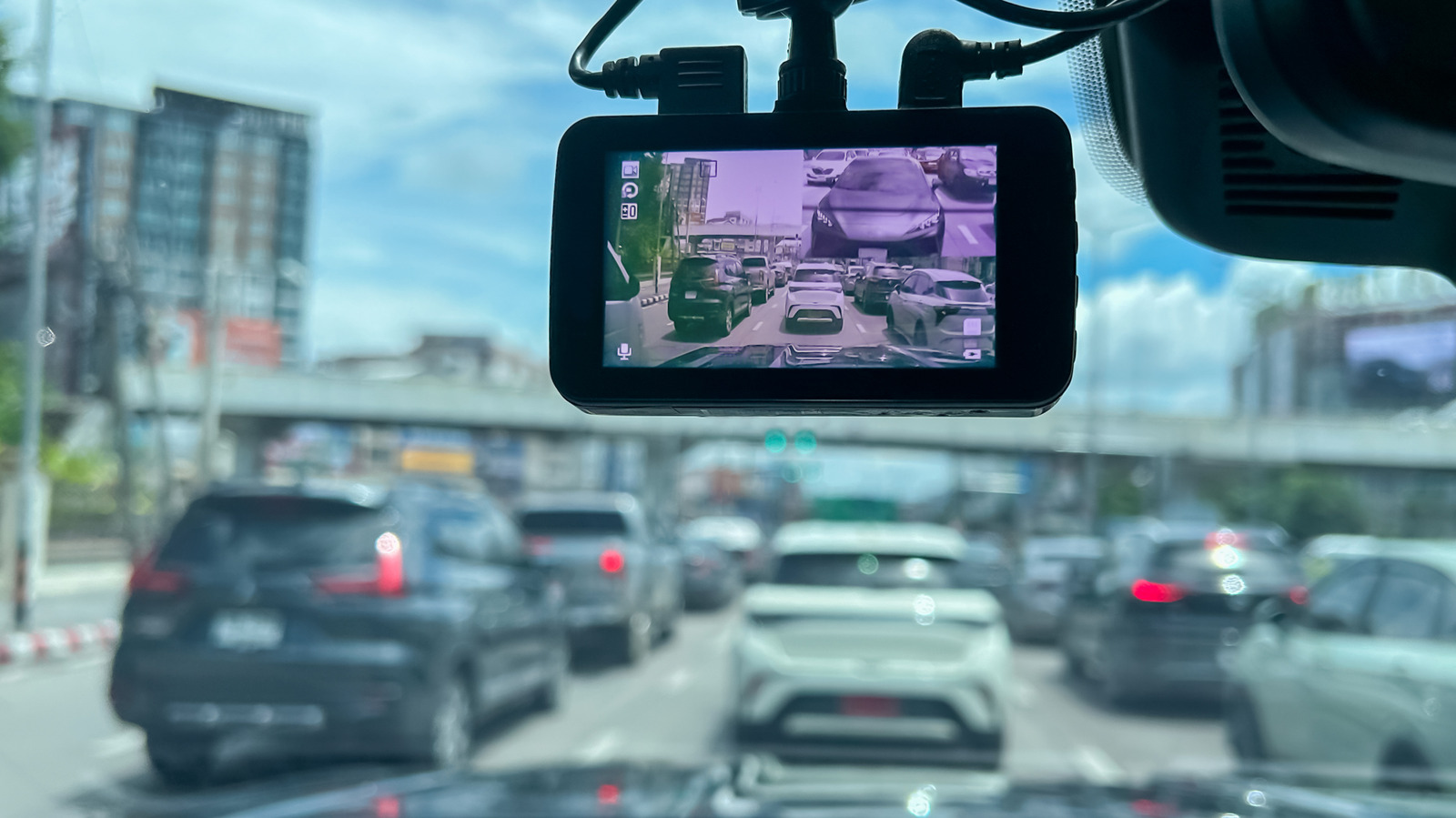
Flock Safety's automatic license plate reader technology came perilously close to infiltrating the rideshare ecosystem on a scale that would have fundamentally altered privacy dynamics for millions of Americans. A leaked pitch deck reveals the company pursued partnerships with Uber and Lyft to equip their vehicles with Flock cameras, potentially creating a surveillance network spanning hundreds of thousands of cars across the country.
Flock Safety manufactures stationary and vehicle-mounted automatic license plate readers (ALPRs) that capture and store vehicle registration data. The company markets its cameras to law enforcement, private security firms, and property managers as tools for detecting stolen vehicles and tracking criminal suspects. Flock operates one of the largest privately held license plate databases in America, storing billions of plate reads with location timestamps and vehicle descriptions.
The leaked pitch materials show Flock attempted to convince Uber and Lyft that integrating cameras into their fleets would create value for both parties. The company framed the proposal as a security and compliance tool, but the real appeal lay in expanding Flock's data collection apparatus to unprecedented scale. Uber and Lyft collectively operate roughly two million active vehicles globally, with hundreds of thousands operating in major U.S. cities. Installing Flock cameras on even a fraction of these vehicles would have created a continent-spanning surveillance infrastructure that private companies could weaponize for commercial purposes.
The proposal failed. Rideshare platforms ultimately declined the partnership, likely recognizing the reputational and privacy implications. Uber and Lyft already face constant scrutiny over data practices and driver safety. Adding license plate readers to their vehicles would have triggered immediate backlash from privacy advocates, regulators, and drivers themselves.
This near-miss illustrates the aggressive expansion tactics Flock employs to monetize its ALPR technology. The company has already faced criticism for selling data access to law enforcement agencies with minimal oversight and for enabling mass surveillance in residential neighborhoods. Flock cameras now operate on thousands of private properties, capturing plate data on public streets without explicit consent from residents or drivers passing through.
The rideshare pitch also reveals how companies test market appetite for controversial surveillance infrastructure. Flock likely banked on Uber and Lyft's scale to normalize ALPR integration across transportation networks. If one major platform accepted, competitors would face pressure to match the offering or lose perceived technological advantage.
Flock has continued expanding aggressively despite privacy concerns. The company raised $150 million in Series B funding in 2023 and claims its cameras now detect thousands of stolen vehicles and fugitives monthly. Law enforcement agencies in multiple states contract Flock for real-time plate-reading capabilities, though the accuracy of these systems remains debated.
The leaked pitch represents a watershed moment in how companies approach surveillance monetization. Tech firms no longer hide their ambitions behind obscure terms and buried privacy policies. They pitch expansive data collection directly to platforms with massive user bases, betting that scale and convenience will overcome ethical objections. That rideshare companies rejected this particular proposal offers little comfort. Other platforms and industries will face similar pitches, and regulatory safeguards remain fragmented and insufficient to prevent abuse.