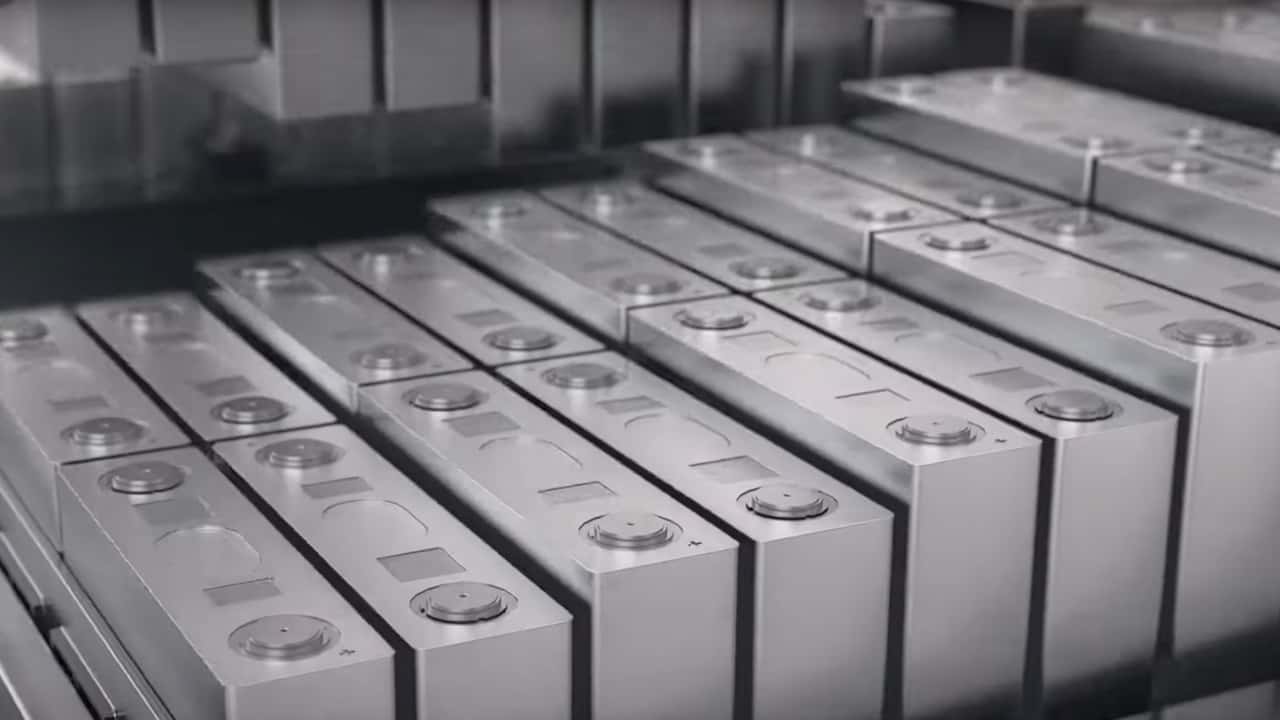
China's government has set an aggressive timeline for bringing solid-state batteries to mass production by 2030, but Contemporary Amperex Technology Co. Limited (CATL), the world's largest EV battery manufacturer, cautions that achieving affordability at scale remains a significant hurdle.
The push reflects Beijing's ambitions to maintain leadership in battery technology as global automakers race to adopt solid-state chemistry. These batteries promise higher energy density, faster charging, and improved safety compared to conventional lithium-ion cells. However, CATL's warning underscores the gap between laboratory success and commercial viability.
Solid-state batteries replace the liquid electrolyte in traditional cells with a solid material, theoretically enabling denser energy storage and longer range in electric vehicles. Several manufacturers, including Toyota, Samsung, and QuantumScape, have announced solid-state programs. None have achieved profitable mass production yet.
CATL's position as the world's dominant battery supplier gives its caution particular weight. The company currently supplies batteries to major automakers including Tesla, BMW, and others. Its skepticism about timeline feasibility suggests that even with government backing and substantial research investment, technical and manufacturing challenges remain formidable.
The 2030 target aligns with China's broader EV strategy, which seeks to secure supply chain dominance and reduce dependence on foreign battery technology. Meeting the deadline would require breakthroughs in manufacturing processes, cost reduction, and consistent quality control at production scale.
Industry observers note that solid-state technology could reshape the EV market if costs fall to competitive levels. At premium prices, the technology serves niche applications. Mass adoption requires unit costs comparable to current lithium-ion batteries while maintaining performance advantages. CATL's warning suggests this economic threshold remains years away despite accelerating development across multiple companies.
The Chinese government has provided research funding and manufacturing incentives to support the