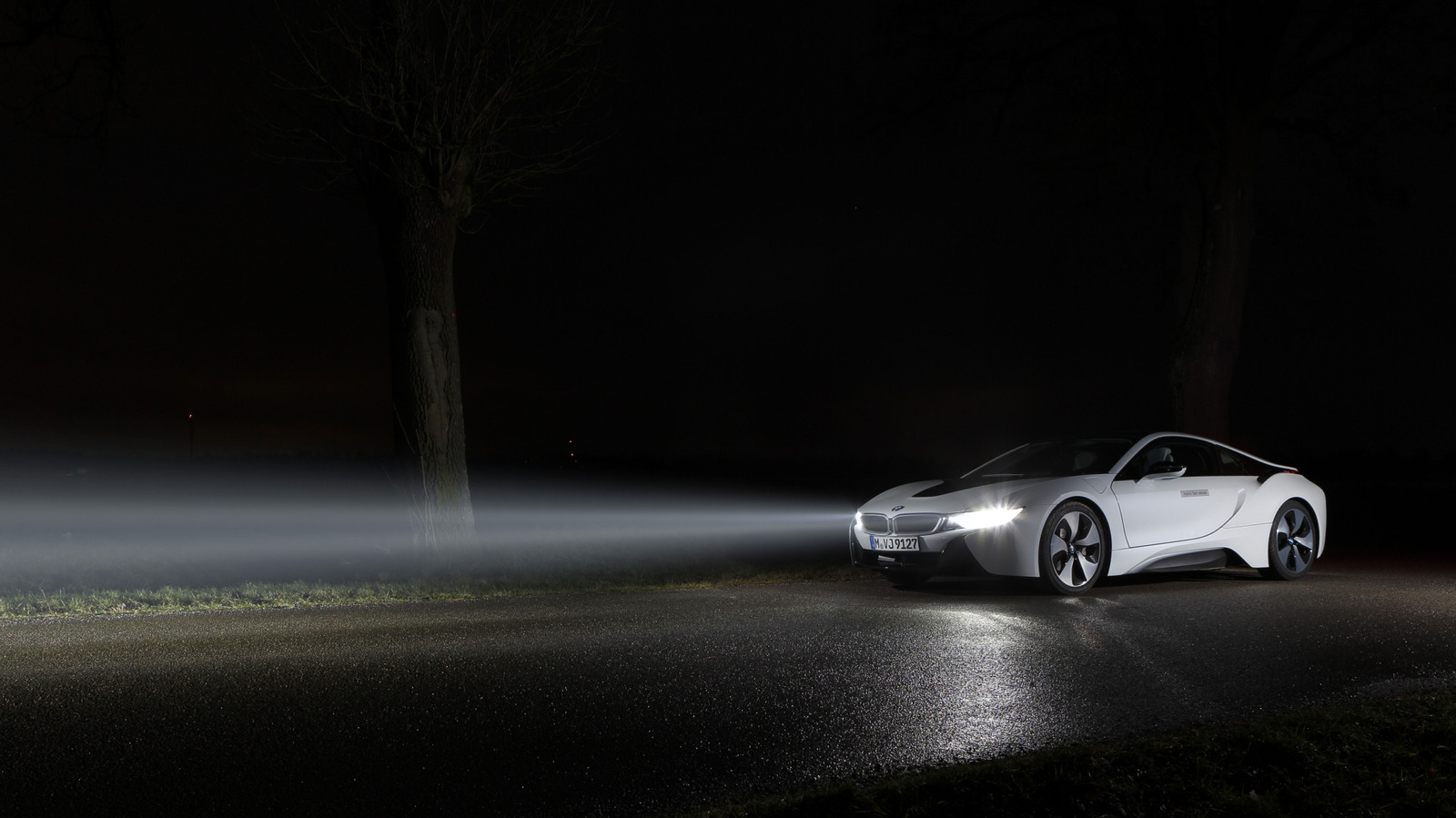
The National Highway Traffic Safety Administration has committed to modernizing U.S. headlight standards, according to reporting from Jalopnik. The pledge signals renewed effort to update regulations that have remained largely unchanged for decades.
Current U.S. headlight standards impose restrictions that limit brightness compared to regulations in Europe and other markets. This gap has created a situation where automakers sell more advanced lighting systems internationally while domestic consumers receive less capable technology. The modernization effort aims to address this disparity.
NHTSA's stated goal centers on three outcomes: improving headlight effectiveness for drivers, enhancing overall road safety, and reducing glare that affects oncoming traffic. The agency plans to pursue these improvements through ongoing negotiations, likely involving automakers, safety advocates, and other stakeholders.
The timing of this commitment matters. Previous attempts to modernize headlight standards have stalled or failed to produce results, which explains Jalopnik's skeptical framing of "for realsies this time." The automotive industry has pushed for rule changes for years, citing technological advances in LED and adaptive lighting systems that could improve visibility without necessarily increasing dangerous glare.
Adaptive headlights represent a key element in this discussion. These systems adjust beam patterns and intensity based on driving conditions, vehicle speed, and oncoming traffic detection. Many modern vehicles sold in Europe and other regions already employ this technology effectively, but U.S. regulations have blocked their deployment domestically.
NHTSA's modernization effort will likely examine how adaptive systems can meet safety goals while maintaining compliance with rules designed to protect other road users. The agency must balance innovation with the existing concern about driver-to-driver visibility and glare reduction.
Success in this negotiation would unlock access to headlight technology already proven in international markets. American drivers would benefit from improved forward visibility during night driving and adverse weather, potentially reducing accident rates tied to inadequate lighting. Simultaneously, modern