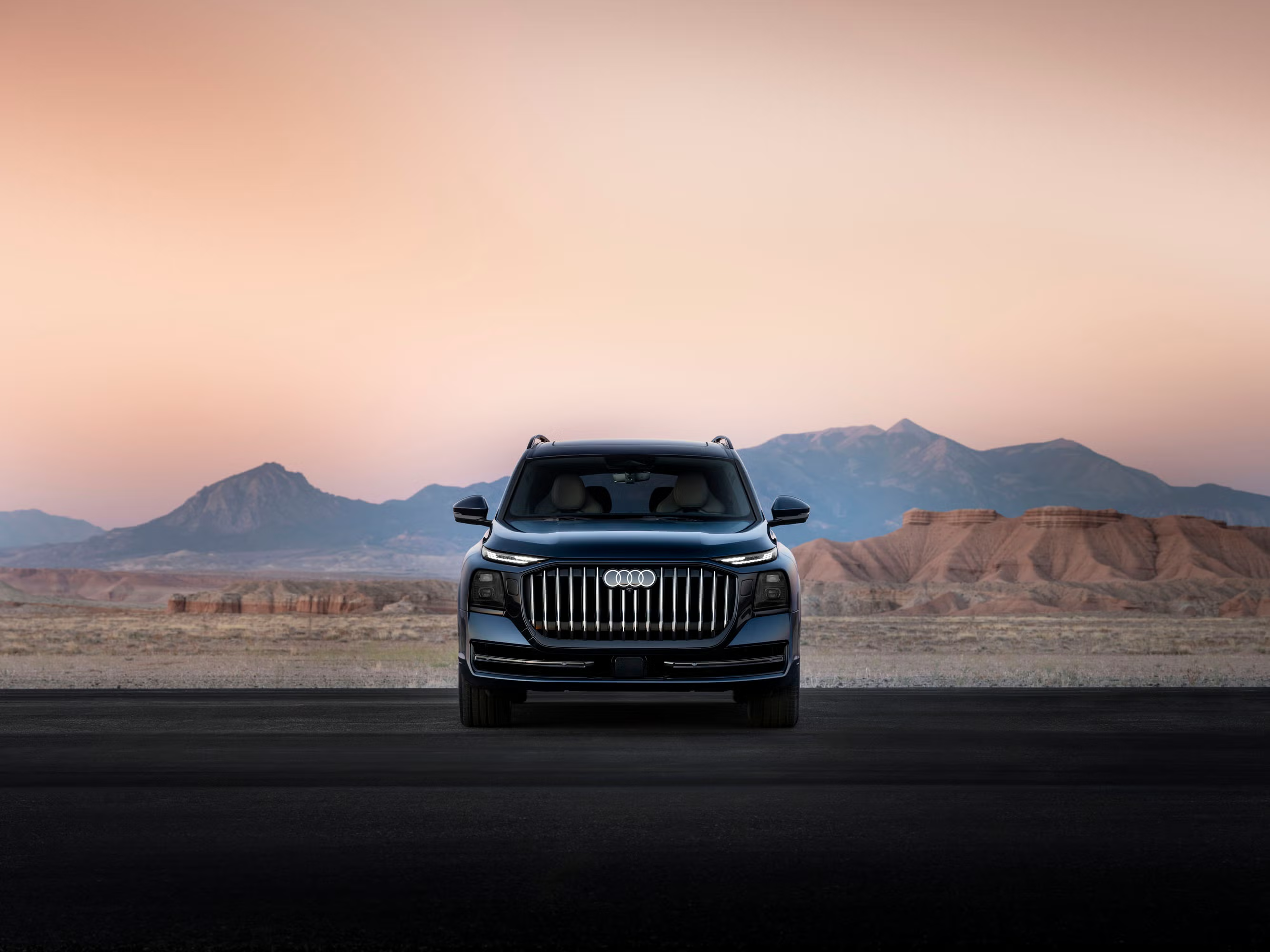
Audi commits $4 billion to build its first U.S. manufacturing plant in Georgia, marking a decisive shift toward domestic production for the North American market. The German luxury automaker plans to manufacture SUVs at the facility, with models expected to include the Q7, Q8, and the upcoming Q9.
This investment represents Audi's largest single commitment to American automotive manufacturing. The decision reflects broader industry trends as luxury brands establish domestic production to reduce tariff exposure, shorten supply chains, and respond to rising protectionist trade policies. Tesla, BMW, and Mercedes-Benz have all expanded U.S. manufacturing footprints over the past five years, and Audi now joins this race.
The Georgia location offers Audi strategic advantages. The state has emerged as a manufacturing hub, with existing automotive plants from Hyundai, Kia, and others. Georgia offers tax incentives for automakers, established logistics infrastructure, and access to ports. The location keeps Audi competitive against rivals who have already locked in American production capacity.
The Q7 and Q8 currently come from Audi's German plants, primarily the Ingolstadt facility. Bringing production stateside addresses a critical vulnerability: tariffs. The Biden administration imposed 25% tariffs on Chinese-made vehicles and automotive components in 2024, and the incoming Trump administration has signaled even more aggressive trade barriers. Manufacturing in Georgia puts Audi products beyond these tariff walls and makes pricing more competitive against domestically produced luxury SUVs from BMW's South Carolina plant and Mercedes from its Alabama facility.
The Q9 remains Audi's most interesting play. This three-row SUV, expected to launch globally within the next two years, represents a direct challenge to the BMW X7 and Mercedes GLS. Building the Q9 in America from day one of its production life gives Audi a structural cost advantage over importing from Europe. It also signals confidence in U.S. demand for premium three-row SUVs, a segment that remains robust despite broader market headwinds.
Timing matters. Audi faces pressure from parent company Volkswagen Group, which has struggled with profitability and EV transition costs. The luxury Audi brand generates higher margins than core VW models, making this Georgia factory a bet that American affluent buyers will sustain demand for premium SUVs through the rest of this decade. The factory will likely support both gas and electric variants, hedging against regulatory uncertainty on EV mandates.
Employment and production scale remain unclear from available details. Typical luxury SUV plants employ 2,000 to 4,000 workers and produce 250,000 to 400,000 vehicles annually. The $4 billion outlay suggests Audi plans substantial capacity, possibly competing with similar investments BMW and Mercedes have made.
This move also signals that Audi expects to grow its U.S. luxury SUV market share. The Q7 and Q8 sell steadily but lag BMW and Mercedes equivalents in volume. Domestic production with resulting price advantages and reduced delivery times could reshape that dynamic. For U.S. consumers, this means faster access to new Audi SUVs and lower prices than importing would allow. For Audi, it's a necessary bet on American affluence and a hedge against escalating trade friction.