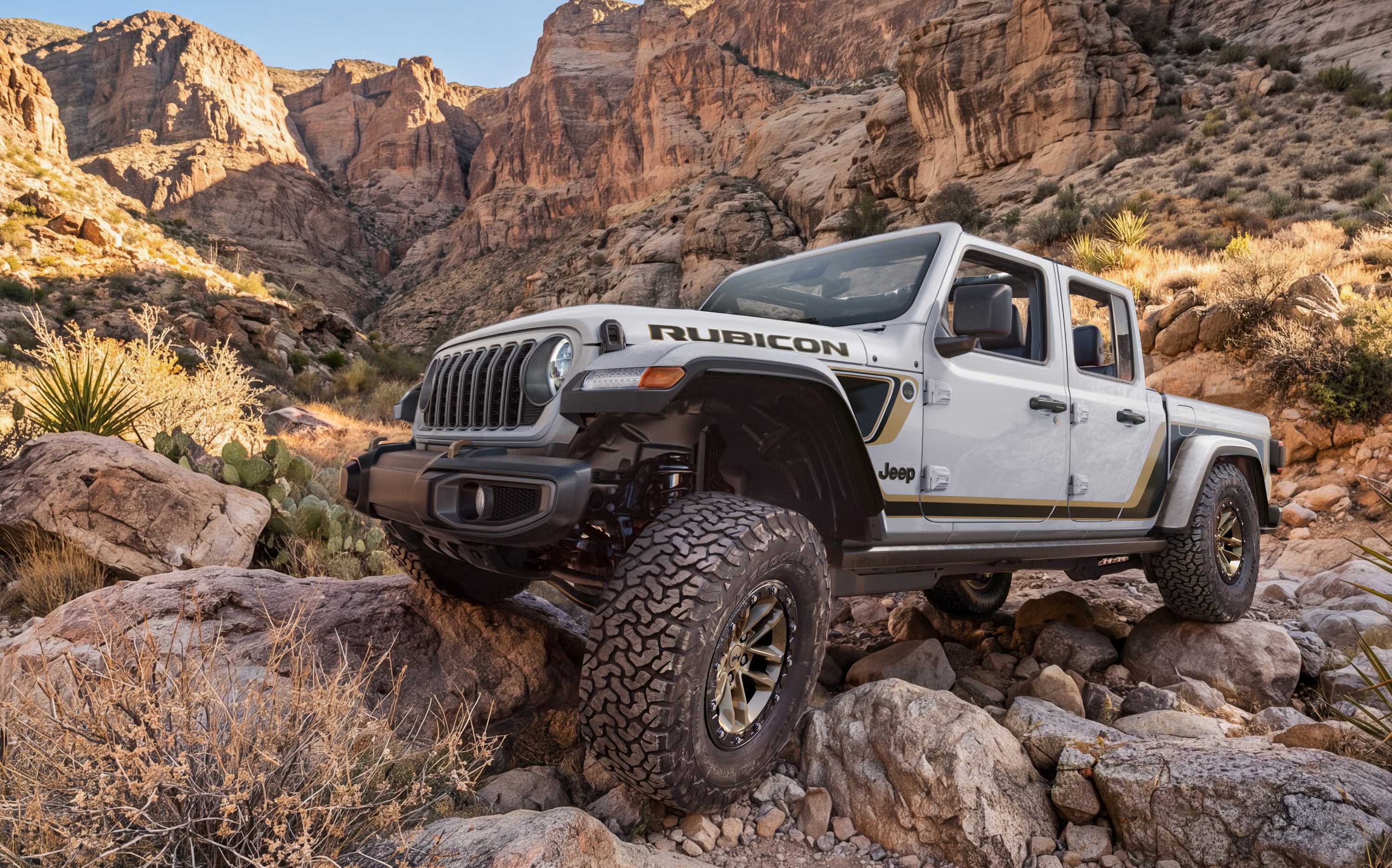
Jeep discontinues the entry-level variant of its pickup truck, forcing buyers upmarket and raising the Gladiator's pricing floor significantly. The 2027 model year brings the elimination of the base trim, pushing the starting price up by over $4,000 compared to the outgoing generation. This move reflects broader industry trends where manufacturers consolidate their lineups to higher-margin configurations and reduce complexity in production.
The base Gladiator removal leaves the Sport as the new starting point in the lineup. This pruning strategy forces buyers who might have opted for entry-level pricing to either step up to better-equipped trims or consider competitors in the compact truck segment. Ford's Maverick, with its sub-$20,000 starting price, continues to undercut the Gladiator significantly, though these vehicles target somewhat different buyer personas. The Maverick focuses on efficiency and value, while the Gladiator emphasizes off-road credentials and Jeep brand heritage.
Alongside the trim restructuring, Jeep introduces a 35-inch tire option for the 2027 Gladiator. This addition directly targets the enthusiast market and buyers seeking enhanced off-road performance. The 35-inch tire package, which would typically require suspension modifications and other drivetrain adjustments, appeals to customers who view the Gladiator as a serious trail rig rather than a daily-use hauler. This positions the truck against competitors like the Toyota Tacoma and Colorado ZR2, vehicles that offer factory off-road packages with aggressive sidewalls and terrain management systems.
The pricing strategy reflects Jeep's confidence in the Gladiator's brand appeal and utility. By eliminating the base model, Jeep simplifies dealer inventory management and production scheduling. Fewer trim variants mean easier component sourcing and manufacturing efficiency. The move also allows Jeep to bundle features that justify higher pricing, improving per-unit profitability without necessarily improving sales volume.
The 2027 refresh addresses two distinct market segments simultaneously. Enthusiasts gain capability through the 35-inch tire option, which signals Jeep's commitment to the Gladiator's off-road positioning. Meanwhile, the price increase and trim consolidation signal that Jeep considers this truck a lifestyle product rather than an economy option. This contrasts with Ford's Maverick strategy, which prioritizes affordability and practicality for mainstream buyers.
Jeep's mid-size pickup competes in a crowded space. The Tacoma enjoys strong brand loyalty and proven reliability credentials. The Chevrolet Colorado and GMC Canyon offer conventional truck designs with more interior space. The Gladiator's unique appeal stems from its heritage as the only pickup wearing the Jeep badge and its off-road engineering pedigree. The brand invokes images of rock crawling and wilderness exploration, justifying higher entry prices.
The elimination of base models has become standard practice across the industry. Manufacturers recognize that entry-level trim buyers often represent the smallest segment by volume and the thinnest margins. By starting customers at higher price points, brands capture more revenue per vehicle. Those budget-conscious shoppers migrate to used markets or choose competitors offering better entry-level value. The 2027 Gladiator reflects this reality while doubling down on the enthusiast positioning that defines the nameplate.