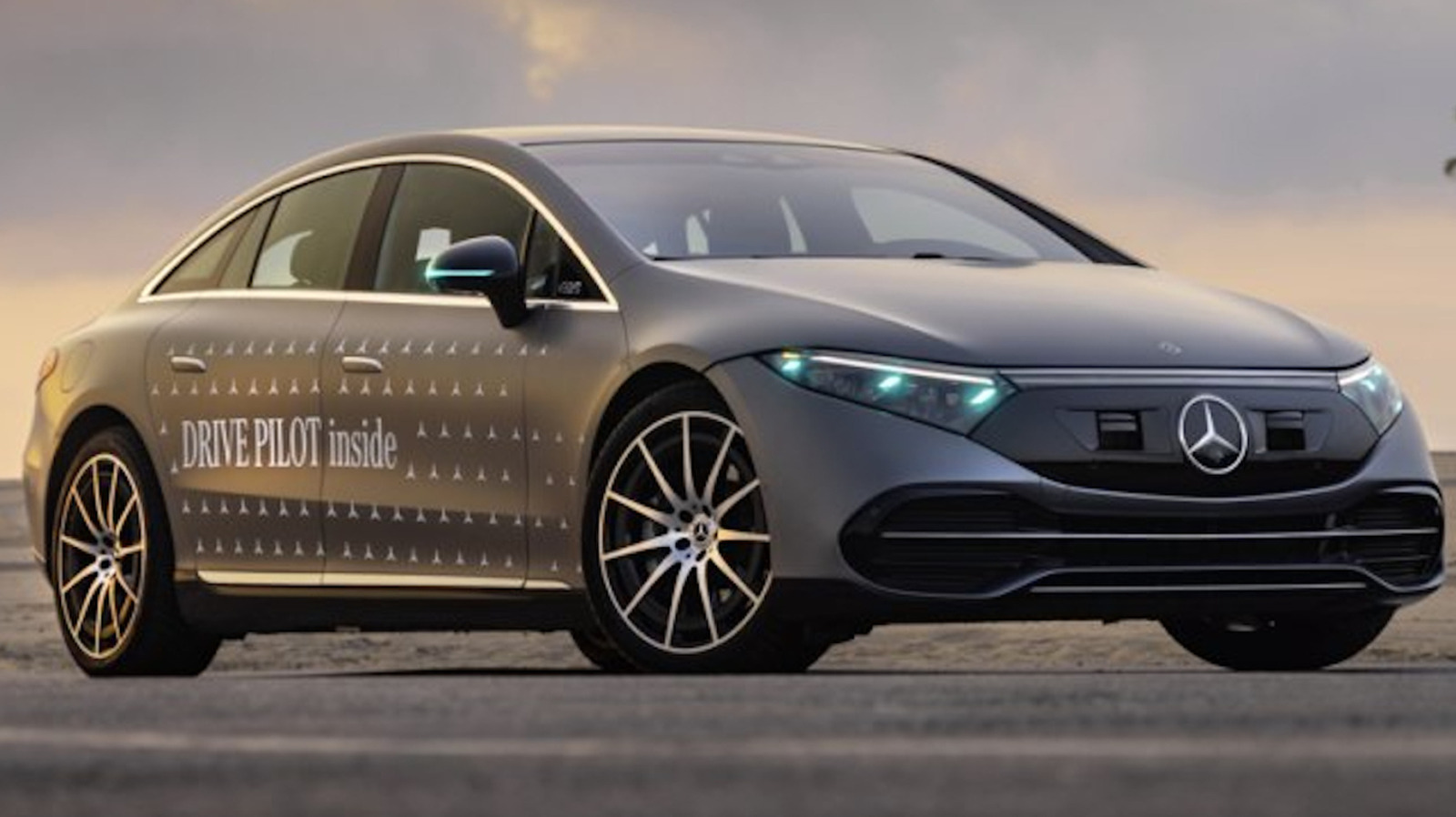
The National Highway Traffic Safety Administration has floated a regulatory proposal that would introduce cyan-colored lights as a distinct vehicle identifier for autonomous vehicles. The timing and specificity of the rule raise questions about regulatory capture and whether safety standards are being shaped to benefit one manufacturer over others.
Tesla operates a fleet of vehicles equipped with Full Self-Driving capability, though the company maintains these systems require driver supervision. The cyan light proposal would theoretically allow other road users to identify autonomous or semi-autonomous vehicles in traffic. On its surface, this sounds like a safety measure. In practice, it creates a new equipment category that only manufacturers with advanced driver assistance systems would need to deploy, and Tesla's existing Autopilot and FSD architecture could integrate such lighting more readily than competitors scrambling to catch up.
The regulatory proposal arrives amid broader scrutiny of NHTSA's relationship with Tesla. Musk donated $400 million to Republican causes and candidates in 2024, a sum that exceeds most corporate political spending. The timing of autonomous vehicle regulations that appear tailored to Tesla's current capabilities invites skepticism about whether industry influence shapes safety policy.
NHTSA's track record with Tesla enforcement reveals a complex dynamic. The agency has launched multiple investigations into Autopilot crashes and Tesla's Full Self-Driving beta program. Simultaneously, Tesla has received regulatory approval for expansive testing of autonomous features that other automakers face stricter requirements to deploy. When a manufacturer faces enforcement action while gaining preferential treatment on future regulations, the appearance of inconsistency erodes public trust.
The cyan light rule exemplifies a broader pattern. Regulations written around existing Tesla hardware advantages other EV makers and legacy automakers trying to deploy autonomous features. General Motors, Ford, Waymo, and Cruise must design compliance paths around standards that assume Tesla's specific technical approach. This creates friction in the market and potentially stalls competition.
Other manufacturers operating autonomous vehicle pilots use different sensor configurations, computing architectures, and testing protocols than Tesla. A regulatory framework built on Tesla-specific hardware standards forces competitors to either adopt similar approaches or navigate compliance as an afterthought. Neither path accelerates innovation or improves safety outcomes.
The disconnect between NHTSA's enforcement posture and its rulemaking approach suggests institutional confusion about autonomous vehicle oversight. Effective regulation requires clear safety standards applied uniformly across the industry. When rules appear tailored to specific manufacturers, enforcement credibility suffers. Regulators must separate policy influence from technical safety requirements.
Whether the cyan light proposal becomes final regulation or gets revised during the public comment period remains uncertain. The automotive industry, safety advocates, and technology firms will likely submit detailed comments challenging or defending the proposal. What matters now is whether NHTSA can demonstrate that autonomous vehicle standards emerge from rigorous safety analysis rather than manufacturer preferences.
The broader lesson applies beyond Tesla. As autonomous vehicle technology proliferates across manufacturers, regulations must stay technology-neutral and manufacturer-agnostic. Regulators who allow industry influence to shape safety standards undermine their own authority and delay deployment of technologies that could reduce crashes and save lives.