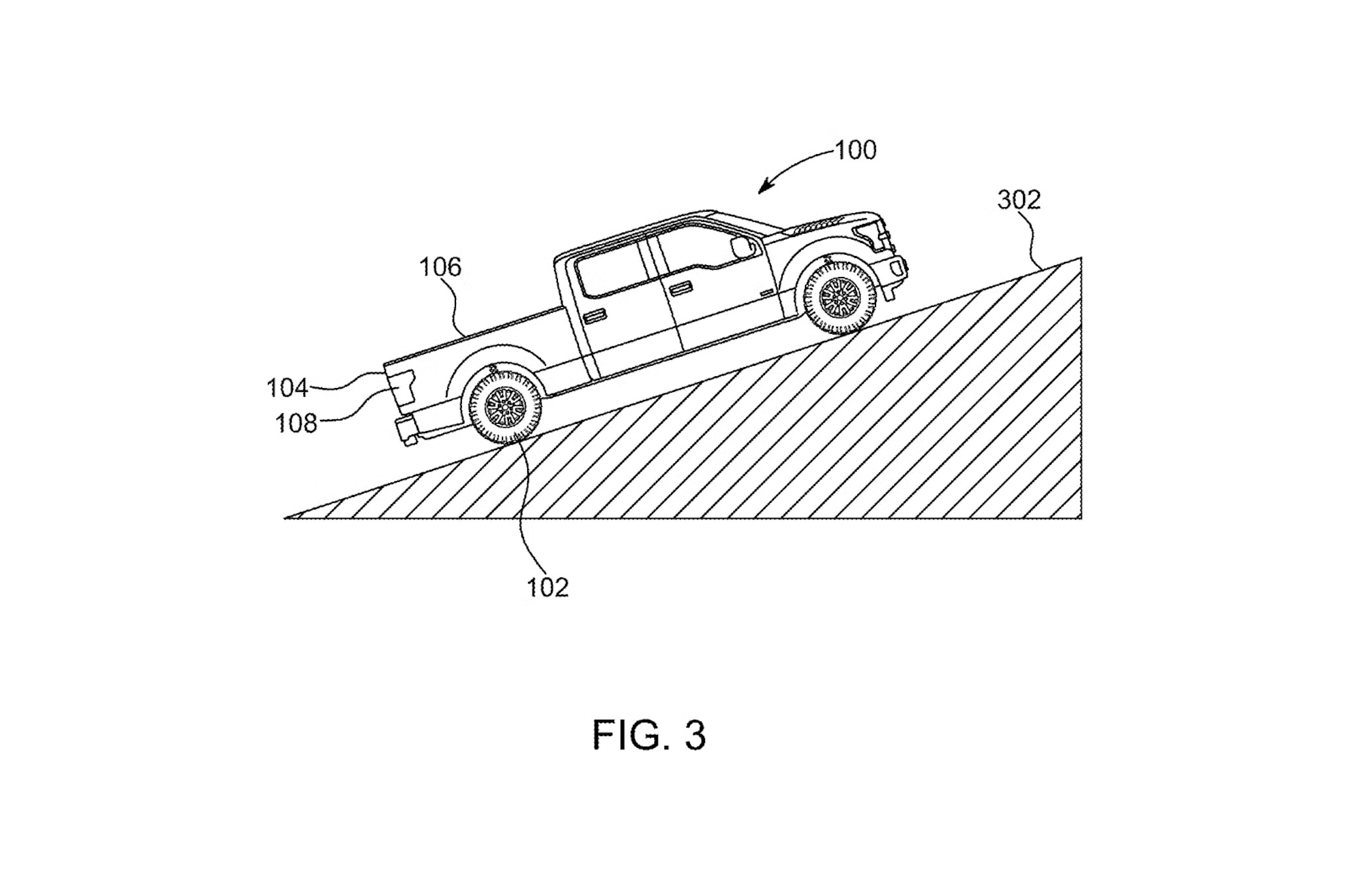
Ford has filed a patent for autonomous vehicle technology that would allow parked cars to move themselves away from danger without human intervention. The system represents a notable shift in how automakers think about vehicle security and active protection mechanisms.
The patent describes a scenario where a stationary vehicle detects threats and initiates autonomous movement to escape. This could apply to several real-world situations: a car sensing an imminent collision from another vehicle, detecting a natural disaster like flooding, or responding to vandalism in progress. The system would use onboard sensors and connectivity to make real-time decisions about when movement becomes necessary for self-preservation.
Ford's approach differs from traditional security measures that focus on theft prevention or passive protection. Instead of simply alerting an owner or locking doors, the vehicle itself becomes an active participant in its own defense. The technology relies on the autonomous driving architecture that Ford continues to develop through its investment in Argo AI and its broader electrification strategy.
The patent also addresses wheel theft, a growing problem affecting vehicle owners across North America. Ford proposes technological countermeasures beyond physical locking mechanisms. While the specifics remain proprietary, the approach suggests using the vehicle's own systems to complicate theft attempts. This could involve electronic locking mechanisms tied to the vehicle's central computer or sensors that trigger alerts or disable the vehicle if tampering occurs.
Wheel theft costs the industry hundreds of millions annually. High-end vehicles and trucks with valuable aftermarket wheels remain prime targets. Traditional wheel locks have proven insufficient as thieves become increasingly sophisticated. Ford's integrated approach using autonomous systems and electronic controls represents a new frontier in vehicle security.
The practical implementation faces obstacles. Autonomous movement in parking scenarios requires robust sensor fusion, reliable connectivity, and complex liability frameworks. Questions arise about whether a moving vehicle might create new hazards, who bears responsibility if the autonomous system malfunctions, and how emergency responders would handle a self-driving parked car. Regulatory bodies have not yet established clear guidelines for autonomous movement outside controlled test environments.
Ford's patent filing does not guarantee the technology will reach production vehicles. Automakers file hundreds of patents annually, many exploring speculative or developmental ideas that never commercialize. However, the company's serious investment in autonomous technology through partnerships and internal R&D suggests Ford takes these concepts seriously for future product generations.
The filing reflects broader industry trends. As vehicles become increasingly connected and autonomous capabilities expand, protection mechanisms evolve beyond mechanical solutions. Tesla has implemented similar ideas with its sentry mode, which uses cameras to detect threats while parked. BMW and other luxury brands have explored remote parking functions that allow vehicles to move autonomously in limited scenarios.
Ford's dual focus on threat avoidance and security enhancement shows how autonomous technology extends beyond passenger transportation. If implemented responsibly, such systems could reduce theft, prevent collisions, and protect vehicles in emergency situations. The technology remains conceptual for now, but it signals how future vehicles will integrate active defense alongside traditional safety systems.