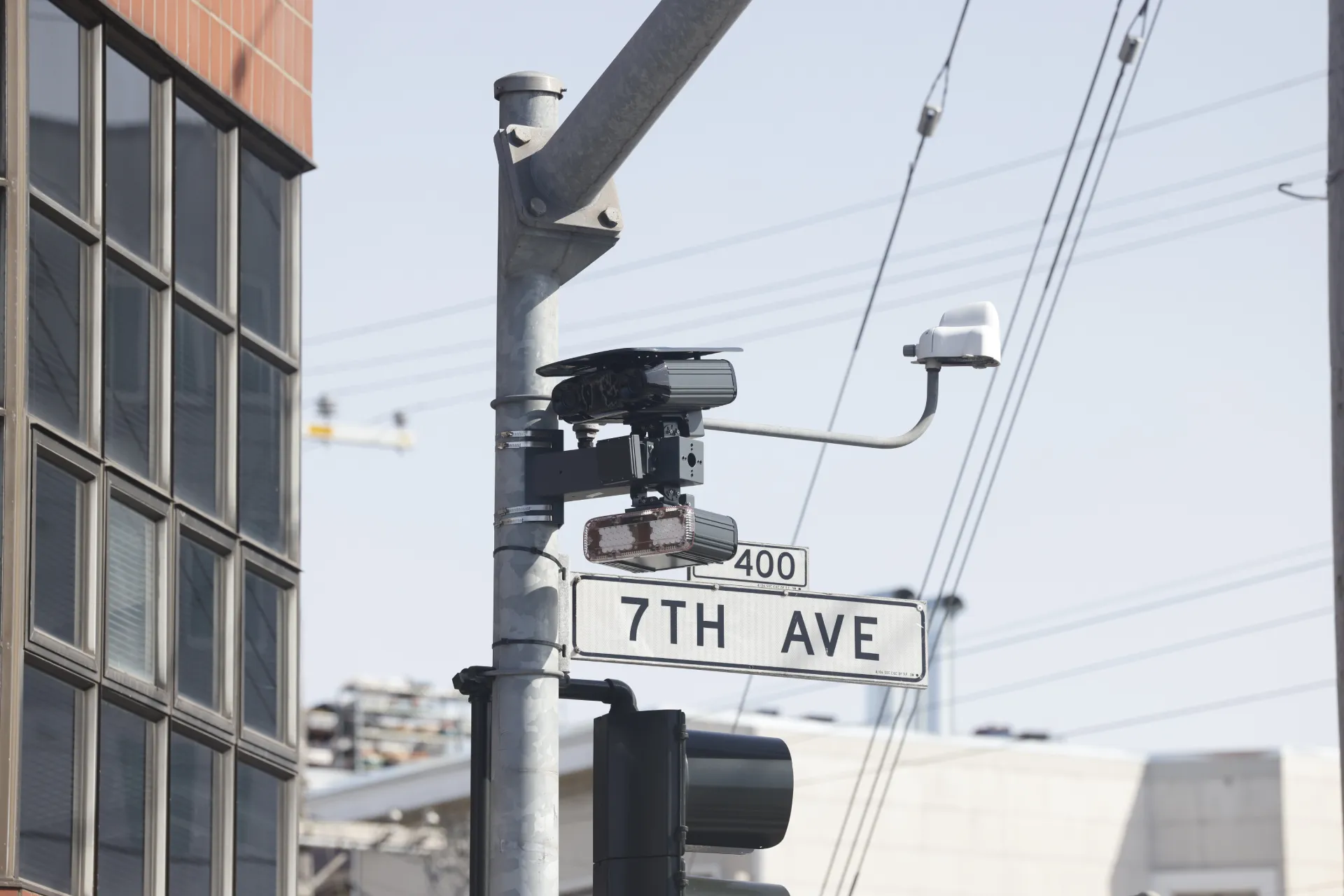
Los Angeles turned on its first 25 speed cameras on Monday with admirable intentions. The city is tackling a real problem: around one in five fatal crashes in Los Angeles in 2024 were directly attributed to speeding. The LADOT is right that speeding is one of the leading causes of serious injuries and deaths on our streets. But the implementation strategy contains a significant flaw that undermines the safety mission.
The grace period is too generous. For the first 60 days, drivers caught by cameras traveling 11 mph or more over the posted speed limit will receive only warnings. Only after that window closes will actual tickets start getting mailed out, with fines ranging up to $500 depending on how much over the limit a driver was traveling. This creates a perverse incentive structure that contradicts the stated goal of saving lives immediately.
The data from San Francisco should hasten Los Angeles's timeline, not delay enforcement. According to the LADOT's own citation, early data showed a 72% reduction in speeding in San Francisco because of speed cameras. That's not a marginal improvement—that's a transformative result. If speed cameras work that effectively, then every day of warnings rather than enforcement is a day when drivers continue speeding at rates closer to pre-camera levels. The LADOT itself states that the program aims to help people make better choices about their driving and increase accountability for excessive and chronic speeding. Warnings do neither.
There's also a fairness problem baked into this approach. Early adopters who obey the law during those first 60 days while others speed without penalty will resent the system. Meanwhile, chronic speeders will have two months to learn where cameras are located and adjust their routes accordingly. By the time real enforcement begins, the most dangerous drivers may already have adapted their behavior—but only to avoid tickets, not because they've internalized that speeding kills.
The five-year pilot period already provides flexibility for course correction. The LADOT plans to report to the state legislature on the safety and economic impact, which means there's built-in accountability. If early enforcement proves counterproductive or generates public backlash, adjustments can be made. But starting with warnings when San Francisco's experience proves cameras dramatically reduce speeding from day one is playing it too safe with public safety.
Los Angeles should shorten the grace period and begin issuing tickets immediately. The data supports it. The stakes—around one in five fatal crashes tied to speeding—demand it. Warnings had their chance; now it's time to enforce.