President Trump announced on October 24 that Audi will build its first U.S. production facility in Macon, Georgia. The Wall Street Journal reported that the Trump administration has promised tariff relief to automakers that commit to domestic manufacturing, with Audi positioned as a potential first beneficiary.
Audi will invest $4 billion in the Georgia plant, which is expected to produce 200,000 vehicles annually by the early 2030s. The tariff relief plan details remain unannounced, but the WSJ reported that it will likely allow automakers investing in U.S. factories to receive exemptions or offsets on tariffs for imported vehicles or parts. Automakers must begin factory construction before the end of next year to qualify.
Sources told Reuters that Audi sought to reduce the current 15 percent tariff rate to 7.5 percent, though Commerce Department officials were expected to agree to around 10 percent. The plan may be modeled on an existing Commerce Department program for polysilicon tariffs.
Audi currently imports all its U.S. models from Mexico or Europe and paid $1.4 billion in duties last year. The Volkswagen Group as a whole paid $4 billion in U.S. tariffs in 2025.
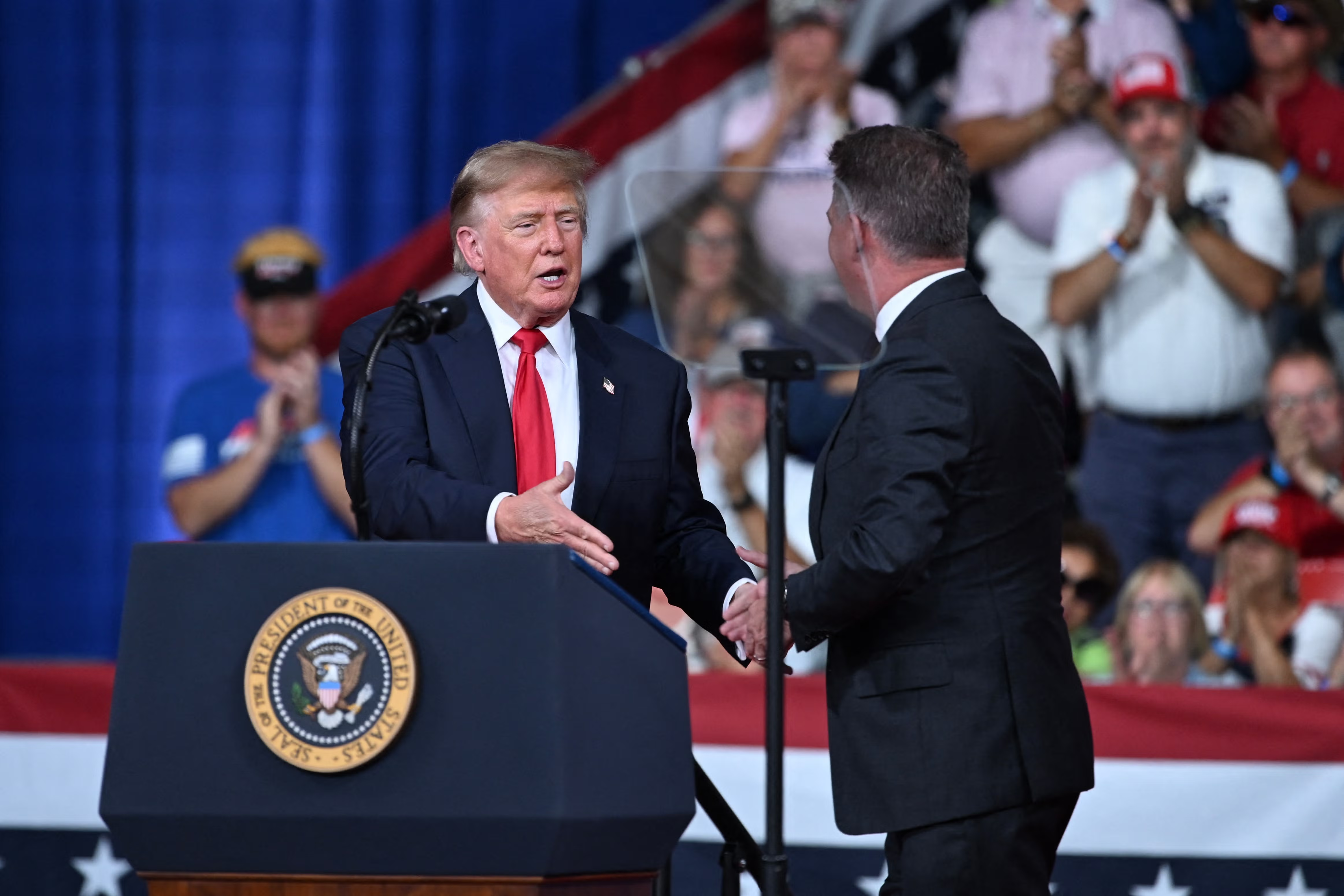
Audi CEO Gernot Doellner joined Trump at a campaign rally on October 25, stating the Georgia plant will create around 4,500 jobs. Audi has also committed to building an additional 25,000 units annually in South Carolina. The Q7, Q8, and Q9 SUVs are slated for U.S. production.
Volkswagen's Supervisory Board must still approve the Georgia factory before plans proceed. The board will meet in the coming weeks to finalize the plan. Audi's North American sales fell 16 percent in 2025 amid price increases and a temporary pause on new deliveries.