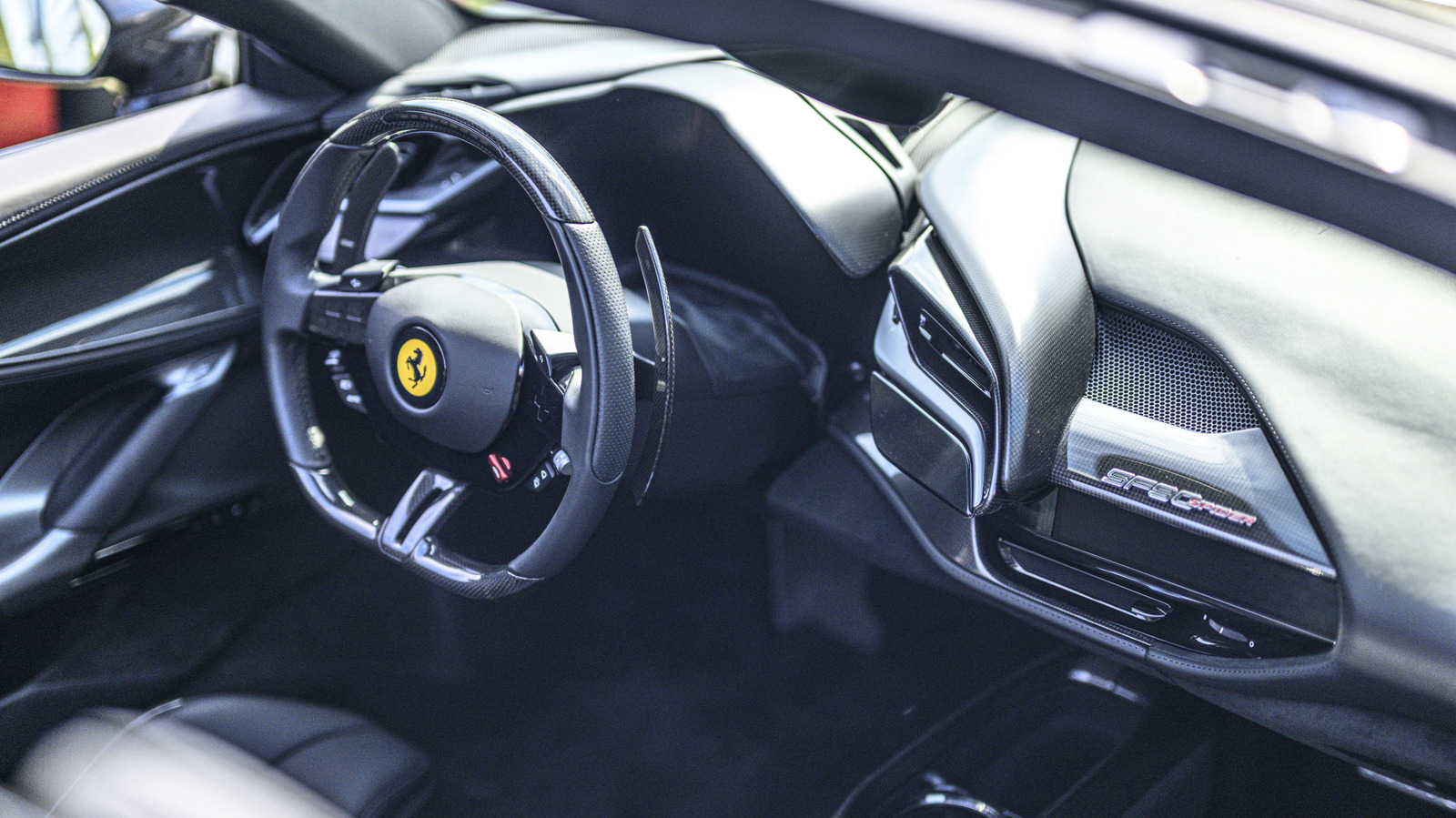
Physical buttons are making a comeback in new cars after drivers pushed back against all-touchscreen dashboards, safety regulators endorsed the shift, and China proposed mandatory physical controls for critical functions.
Ferrari leads the charge. Customers complained about touch controls on the SF90's steering wheel, so Ferrari redesigned the 2027 Amalfi with real buttons and offered retrofits to existing owners on the Purosangue, 12Cilindri, and Roma.
The trend extends beyond luxury brands. Volkswagen's ID.Tiguan arrives in Europe in early 2027 with physical buttons in the cabin, and the Golf GTI and Cupra Born now use physical switches on steering wheels. Mercedes added physical buttons to the electric GLC's steering wheel. Audi is doing the same on the upcoming A4 E-tron and Q7 E-tron.
An AutoPacific survey found that 48% of shoppers prefer dials or buttons over screens, though 60% also said they like how screens look. Drivers want balance, not a return to 1990s dashboards. Sam Abuelsamid of Telemetry noted that physical controls require "a lot of engineering effort," which is why carmakers are keeping screens but adding buttons where they matter most.
China's Ministry of Industry and Information Technology has proposed rules requiring physical controls for critical functions in new models starting in 2027. Europe's Euro NCAP safety testers are pushing in a similar direction, with 2026 test results headlined "Buttons are back for basic functions."
Carmakers are also investing in voice control as a complementary solution. The BMW Neue Klasse iX3 debuts a voice assistant powered by Amazon's Alexa+. Volkswagen is building ChatGPT into voice assistants, and Mercedes believes drivers should have natural conversations with their cars. Voice commands can reduce the time drivers spend looking away from the road compared to navigating touchscreen menus.