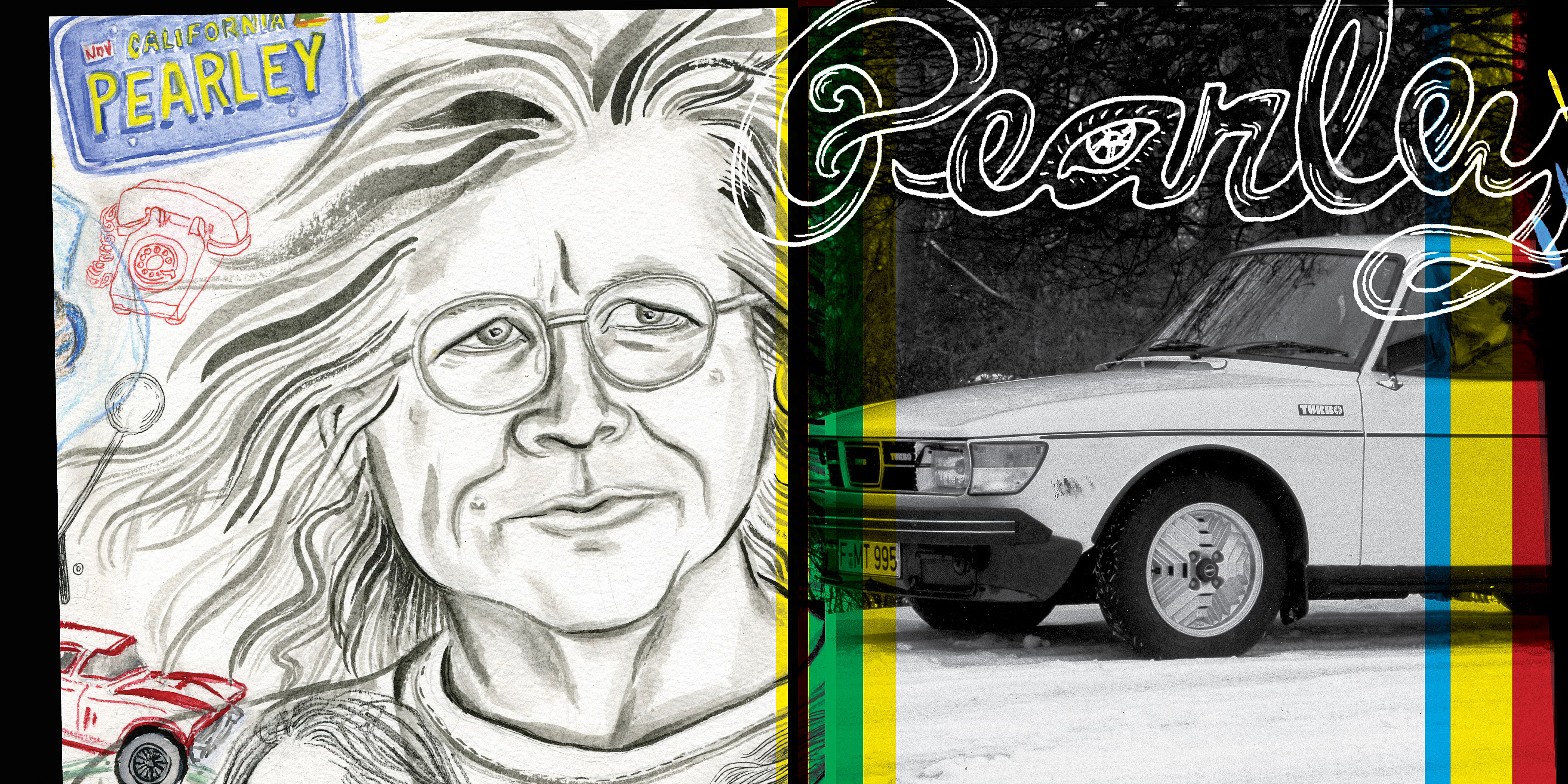
Saab introduced the 99 Turbo in 1977, a car that established the template for turbocharged engines used in modern vehicles today. The 99 itself was not new; Saab had produced the front-wheel-drive sedan since 1968. But the turbo version represented a fundamental shift in engine engineering that persists across the industry.
The 99 Turbo paired a small Garrett T3 turbocharger with Saab's existing 2.0-liter four-cylinder engine, boosting output from 115 horsepower to 135 horsepower. More important than the power gain was the torque delivery. The turbo produced 160 pound-feet at 3,500 rpm, compared to 123 lb-ft in the non-turbocharged version. Road & Track reported in October 1977 that the car accelerated to 60 mph in 9.5 seconds and covered a quarter-mile in 17.5 seconds at 80.5 mph.
Saab used small, quick-spooling turbochargers and advanced electronic engine controls to manage turbo boost and prevent engine damage. The company employed an Automatic Performance Control system with a knock sensor and pressure sensors to trigger a wastegate when necessary. Saab also equipped the engine with the same Bosch K-Jetronic fuel injection used on the Porsche 911 Turbo.
The 99 Turbo featured Lambda, Saab's three-component catalyst system designed to handle nitrogen oxides alongside carbon monoxide and hydrocarbons. An oxygen sensor monitored the air-fuel mixture, allowing the electronic control system to maintain ideal stoichiometric values. The Lambda system proved effective enough that the engine met California's 1977 emissions standards without an exhaust gas recirculation valve.
Road & Track's test notes consistently highlighted drivability. One staff member called the combination of a small turbocharged engine with low exhaust emissions "one of the waves of the future" for fuel economy and performance. The magazine noted that while the 99 Turbo would not match a Porsche Turbo Carrera, "the performance increase is substantial and worthwhile."
Saab lacked resources to develop a new engine but drew on turbocharging expertise from its Scania truck division. As Road & Track explained in December 1976, the central challenge was achieving low-speed torque for drivability while limiting high-speed power for durability. Saab's approach differed from other manufacturers like Porsche, which pursued dramatic high-output boost. Saab targeted maximum torque at mid-range engine speeds instead.
Today's turbocharged engines, from the Honda Civic Type R to the Kia Telluride, descend from that 1977 Saab blueprint.