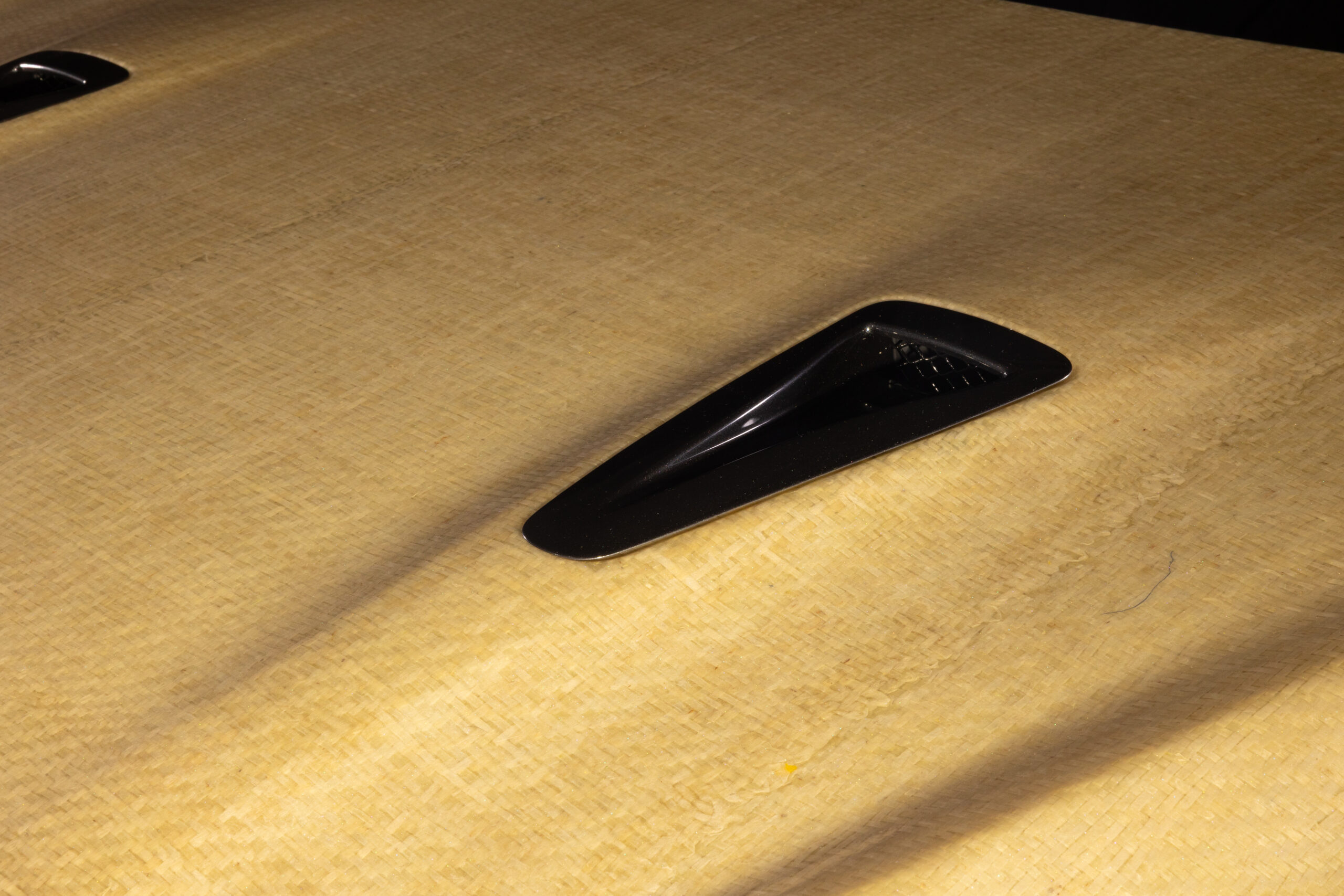
Nissan and Okinawa-based Food Reborn have developed exterior body panels from natural fibre-reinforced plastic using pineapple leaf fibres, claiming the world's first automotive application of this material. The process extracts fibres from pineapple leaves, turns them into flat yarn, weaves them into fabric, and uses them to reinforce a composite. Nissan's testing shows the material achieves higher tensile strength than conventional flax-based natural fibre composites.
Roughly 50 million tonnes of pineapple leaves are discarded worldwide annually, according to the companies' estimates. Nissan is licensing its manufacturing know-how to Food Reborn, which will produce the yarn, woven fabric, and prepreg required for the composite.
Motorsport represents the first target market. Racing categories based on production cars mandate natural fibre-reinforced plastics for modified exterior panels, but a shortage of specialist suppliers has driven up costs and created supply reliability issues. "This sustainable and composite material also delivers the high level of performance required for demanding environments such as motorsports," said Tatsuzo Tomita, corporate executive responsible for Technology Development at Nissan. The companies will exhibit the panel at the SAMPE Japan Advanced Materials Technology Exhibition at Tokyo Big Sight from November 18 to 20. Licensing the process allows Nissan to earn more from its intellectual property while giving the material a ready market in motorsport to prove itself before any potential move into production vehicles.