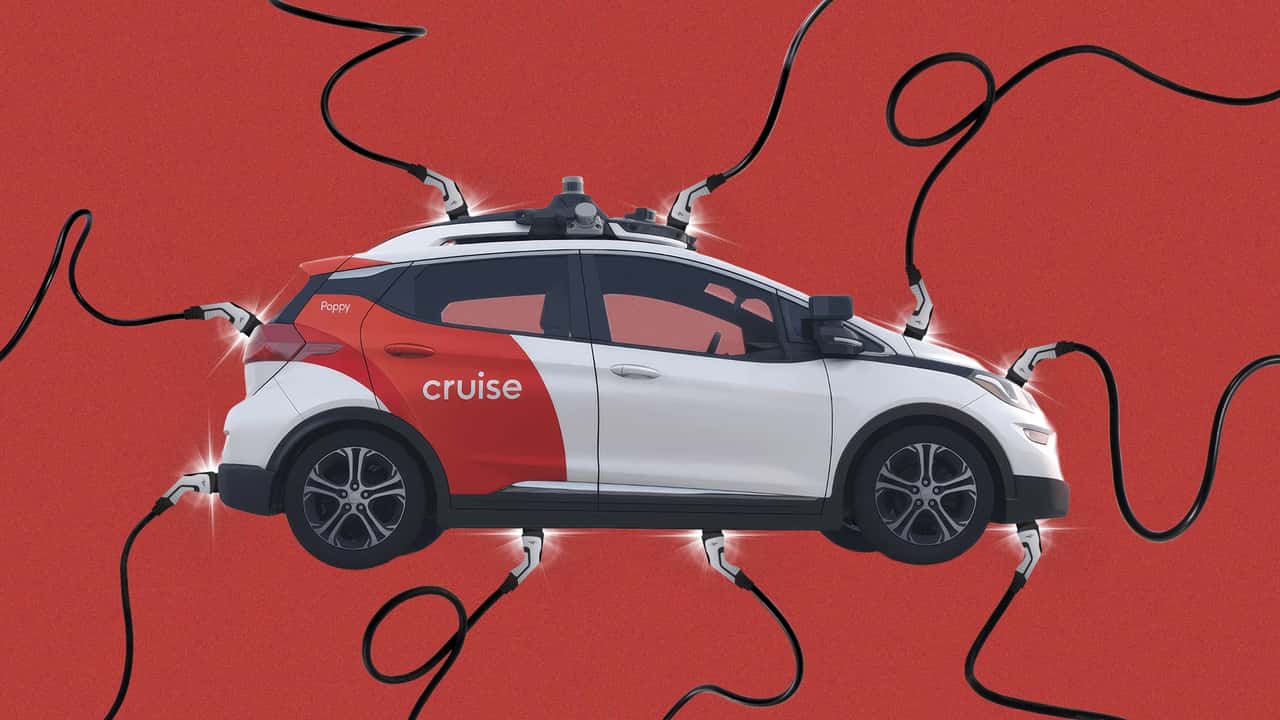
Autonomous driving systems drain EV batteries faster than human drivers expect, creating a fundamental problem for consumer adoption. Fleet operators can absorb the efficiency penalty through operational economics, but individual owners face reduced range and more frequent charging stops.
Self-driving hardware demands constant processing power. Lidar sensors, multiple cameras, and onboard computing pull from the battery continuously. Real-world testing shows autonomous EVs consume 5-10% more energy than manually driven equivalents on identical routes. Scale that across a daily commute, and you're losing 20-40 miles of range.
The industry knows this. Tesla, Waymo, and Aurora all deploy autonomous fleets in controlled environments where route planning and charging infrastructure accommodate the power draw. Fleet vehicles return to depots regularly. They operate on predictable schedules. The economics work.
Consumer vehicles solve this differently or not at all. Larger battery packs offset efficiency losses but increase weight and cost. Some manufacturers are developing low-power autonomous features, yet full self-driving stacks remain power-hungry. Until solid-state batteries arrive or autonomous processing becomes radically more efficient, buyers choosing self-driving capability should plan for genuine range reduction, not marketing numbers.