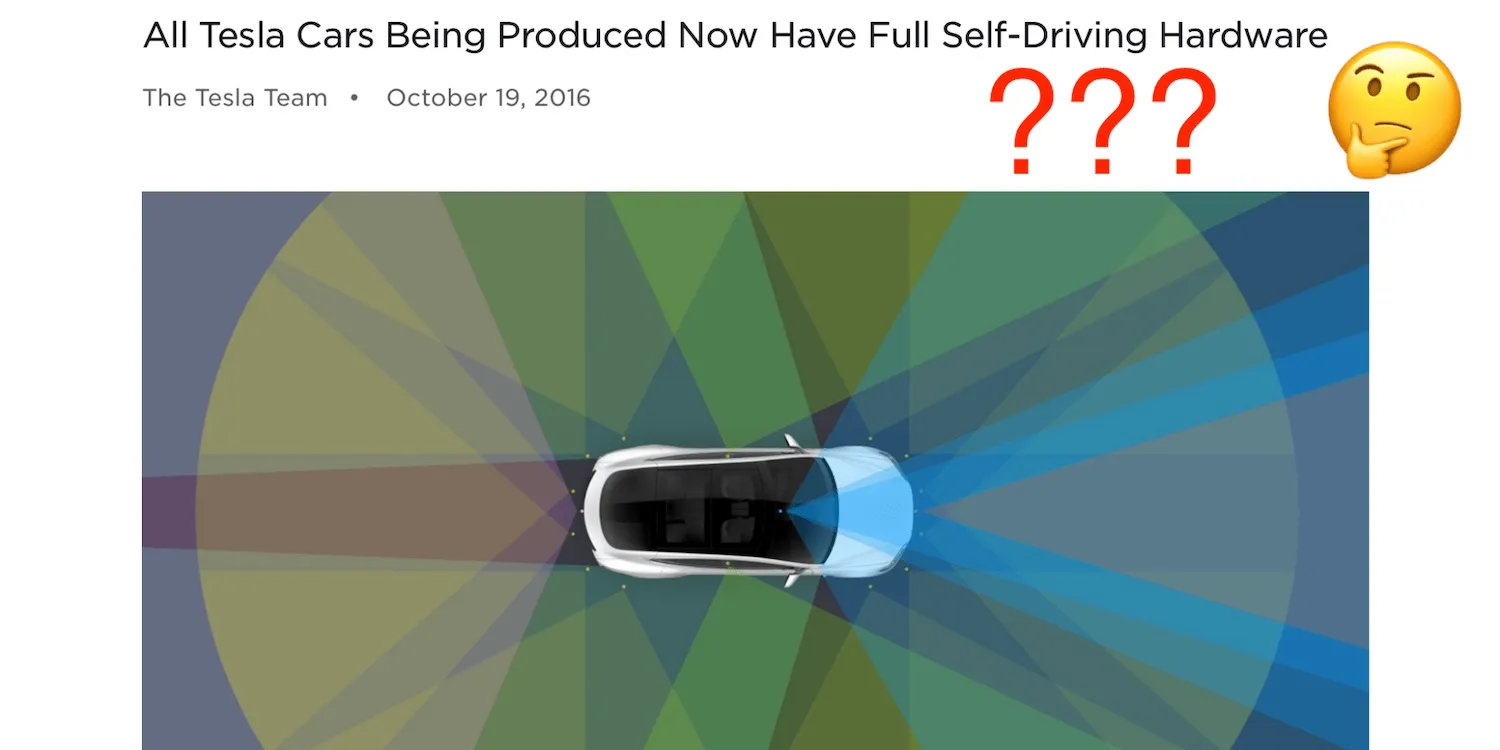
Tesla faces a hardware credibility crisis. The company sold millions of vehicles promising full self-driving capability despite equipping them with inadequate computers and cameras. Now CEO Elon Musk proposes building "microfactories" in cities to retrofit these cars with proper hardware, a costly solution that undercuts Tesla's already thin profit margins.
This represents a fundamental problem. Tesla collected full self-driving payments upfront while knowingly delivering incomplete hardware. The retrofit strategy, if executed, would require massive capital expenditure and operational complexity that manufacturing-focused Tesla hasn't demonstrated expertise in executing at scale.
The proposal reveals the gap between Tesla's autonomy promises and engineering reality. Building dedicated upgrade facilities, staffing them, and coordinating millions of service appointments across urban areas presents logistical and financial obstacles that dwarf typical service operations. Whether Musk's microfactory concept actually materializes remains doubtful given Tesla's historical tendency to overpromise on timelines and delivery.
The company created this burden by selling capability it didn't yet possess. Now it must choose between absorbing retrofit costs, charging customers again, or leaving millions of vehicles permanently unable to deliver on their original marketing pitch.