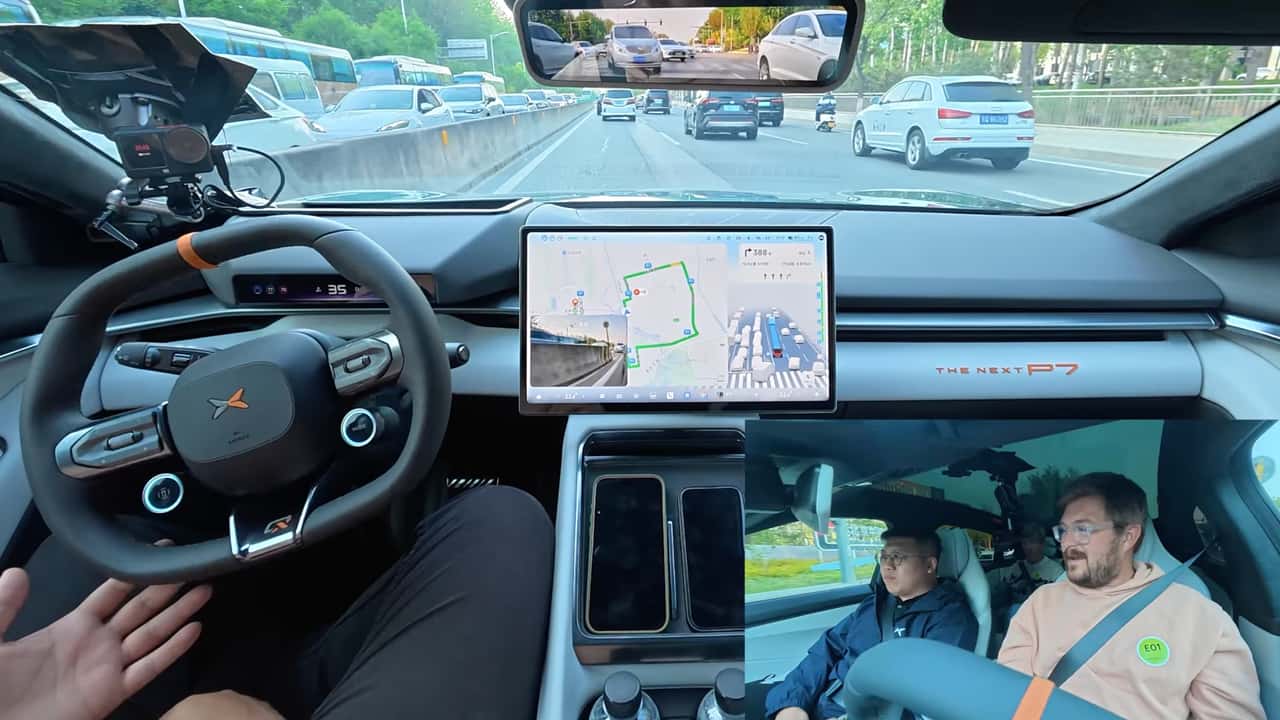
Tesla's Full Self-Driving finally faces legitimate competition. Western journalists tested VLA 2.0, a rival autonomous driving system, and the results split decisively between the two platforms.
VLA 2.0 excels in specific scenarios. The system handles certain driving conditions and decision-making tasks with precision that matches or exceeds FSD's performance. However, Tesla's offering maintains advantages in overall reliability and edge-case handling.
The fundamental difference lies in their approaches. VLA 2.0 drives differently than FSD, employing distinct decision-making logic and sensor integration strategies. This isn't a case of one system simply copying another.
The test matters because autonomous driving remains Tesla's primary competitive moat in the EV space. For years, no other manufacturer fielded a comparable Level 2+ driving assistance system at scale. VLA 2.0 changes that calculus.
Neither system reaches true Level 3 autonomy. Both require active driver supervision and intervention. Yet the emergence of a credible alternative disrupts Tesla's narrative of technological inevitability.
VLA 2.0's performance suggests the autonomous driving market will stratify around different engineering philosophies rather than converging on one solution. Winners will be determined by real-world validation, not marketing claims.