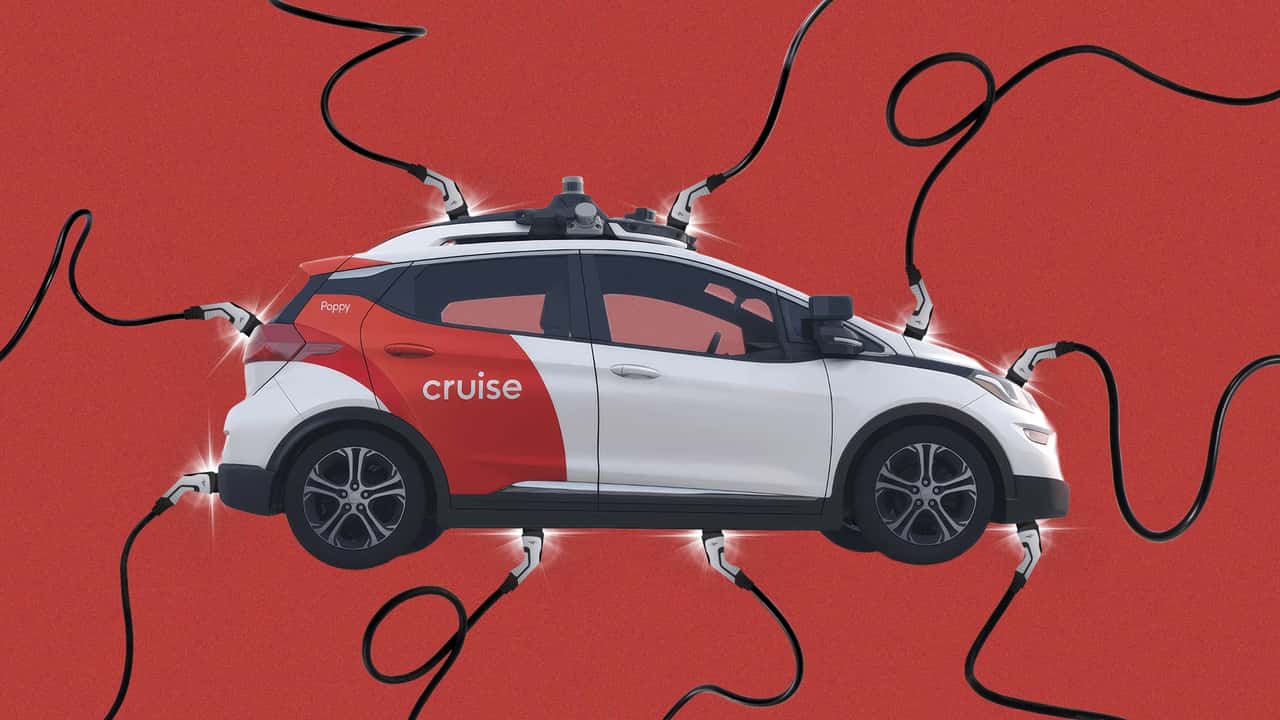
Autonomous driving systems drain EV batteries faster than human drivers expect. The processing power required for Level 3 and Level 4 autonomy creates a meaningful power draw that reduces range significantly on personal vehicles.
Fleet operators handle this math better. Commercial operations can manage charging schedules and routes around the efficiency penalty. A delivery truck running autonomous systems loses range but gains operational consistency and cost savings that justify the tradeoff.
Individual EV owners face a harder choice. Activating autonomous features cuts driving range by a measurable percentage. Current battery sizes don't absorb this penalty without real-world impact on daily usability.
Battery capacity matters here. A 60-kWh pack feels the autonomous load differently than a 100-kWh pack. Manufacturers haven't solved this equation yet. The energy budget for autonomy competes with comfort systems, heating, and actual propulsion.
Tesla, Waymo, and others continue developing more efficient autonomous stacks. Hardware improvements and better algorithms will help. But the physics remain: computation consumes power. Until batteries grow cheaper or autonomous systems become dramatically more efficient, personal autonomous vehicles will trade range for capability.