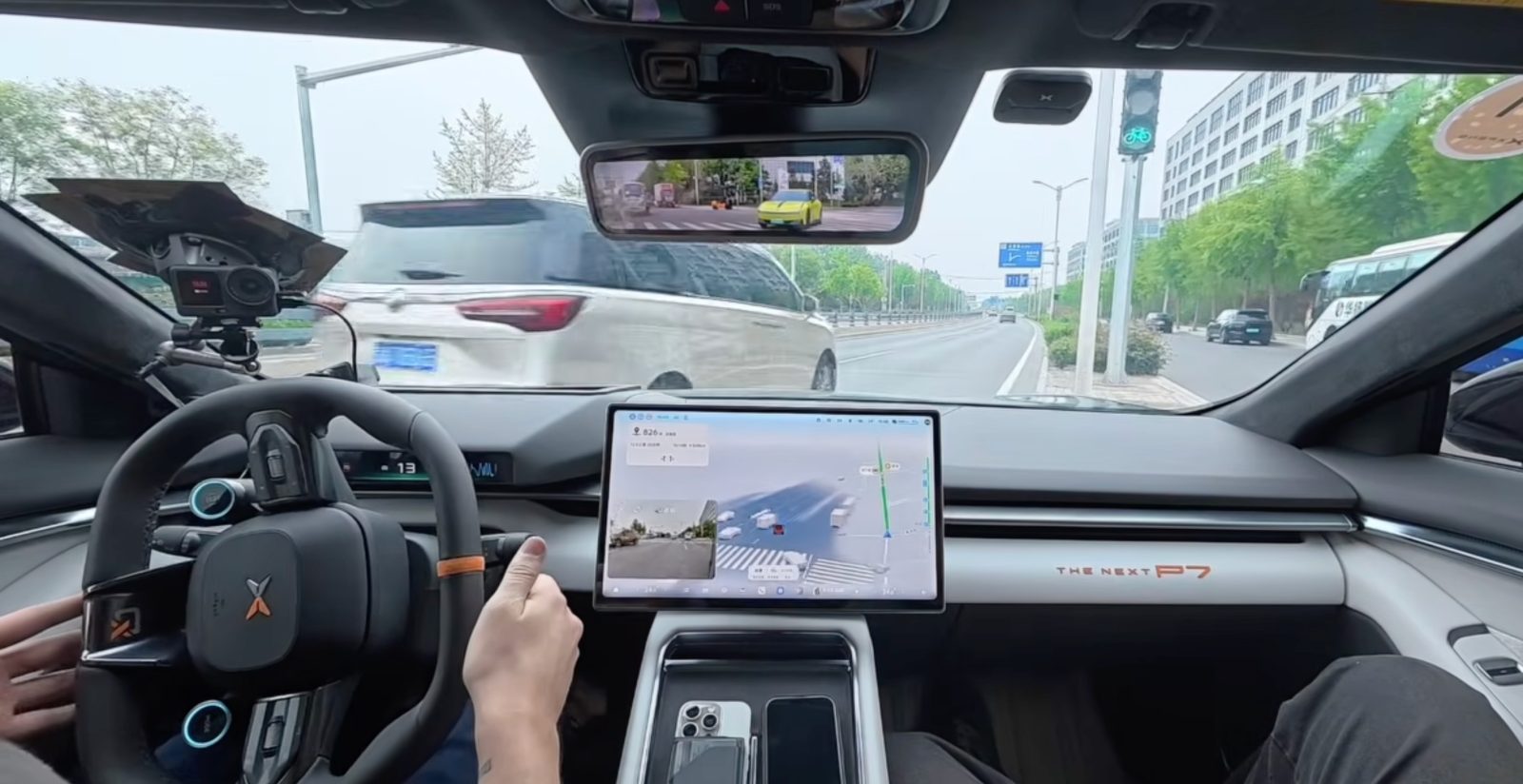
Xpeng's VLA 2.0 autonomous driving system completed a 40-minute test drive through Beijing's notoriously aggressive traffic without driver intervention. This marks a watershed moment for the autonomous vehicle market. Tesla has dominated advanced driver-assist systems in consumer vehicles, but Xpeng's latest update erodes that advantage substantially. The Chinese automaker now delivers comparable performance to Tesla's Full Self-Driving suite, challenging the assumption that Tesla owns this technology segment alone.
The test drive results matter because they're not marketing theater. Operating in one of the world's most chaotic driving environments without a single correction from the driver demonstrates genuine capability maturity. Xpeng achieves this through its Vision Language Architecture approach, which processes visual data and contextual understanding simultaneously.
This development reshapes the competitive landscape. Tesla's lead was never insurmountable, but it was decisive. Now manufacturers developing autonomous systems know that feature parity with Autopilot and FSD is achievable. The race intensifies. Chinese automakers, with access to massive domestic datasets and aggressive development timelines, can close technical gaps faster than Western competitors anticipated. Tesla retains the brand advantage and installed base, but technological superiority no longer belongs to Elon Musk's company alone.