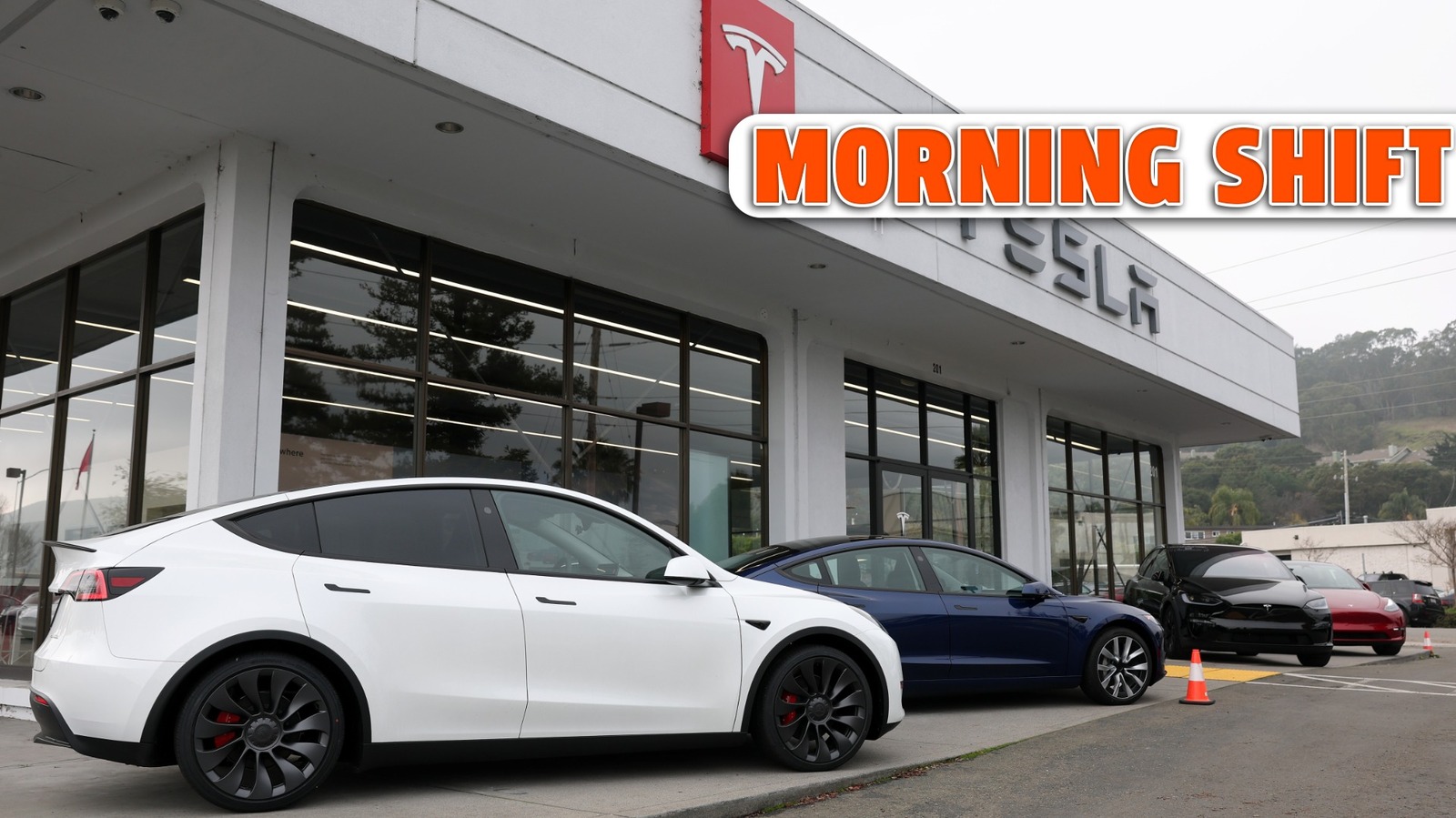
Electric vehicle sales dipped in May, but the decline was smaller than anticipated, signaling stabilization in a market that has faced headwinds from slowing consumer adoption and rising interest rates. The modest pullback represents progress after months of steeper drops, suggesting the EV sector may be finding its footing after a turbulent start to 2024.
Ford's Canadian workforce ratified a new three-year union contract, locking in labor terms for the automaker's operations north of the border. The agreement comes as Ford navigates restructuring efforts and capital allocation decisions across North America, particularly as the company manages the transition to electric vehicle manufacturing while maintaining profitability on traditional powertrains.
Honda is evaluating the establishment of a new manufacturing facility in North America, exploring options to expand capacity and strengthen its production footprint. The move would address growing demand and potentially position Honda closer to supply chains while hedging against tariff risks and regional trade dynamics. Honda currently operates multiple plants across the United States, Canada, and Mexico, so any new facility would complement existing operations rather than replace them.
These developments underscore broader industry trends. Automakers are recalibrating EV strategies after the initial rush proved unsustainable. Consumers remain price-sensitive and hesitant about charging infrastructure and battery longevity. Traditional automakers like Ford and Honda are juggling multiple manufacturing requirements, protecting legacy business while investing in electrification.
The stabilization in EV sales matters because it suggests the market is finding real demand levels rather than collapsing into unprofitability. Labor agreements signal automakers are willing to commit to long-term employment despite uncertainty. Factory expansion plans indicate confidence in North American demand, even as companies remain cautious about overcommitting to any single powertrain technology.
The next months will clarify whether May's steadier EV performance reflects genuine recovery or a temporary pause before another decline hits