Chrysler's slide into irrelevance represents one of Detroit's most stunning collapses. The brand that once competed directly with Ford and General Motors now anchors itself almost entirely on the minivan segment, where it dominates but faces shrinking demand. The RSS excerpt hints at a broader failure of imagination and execution at Stellantis' American division.
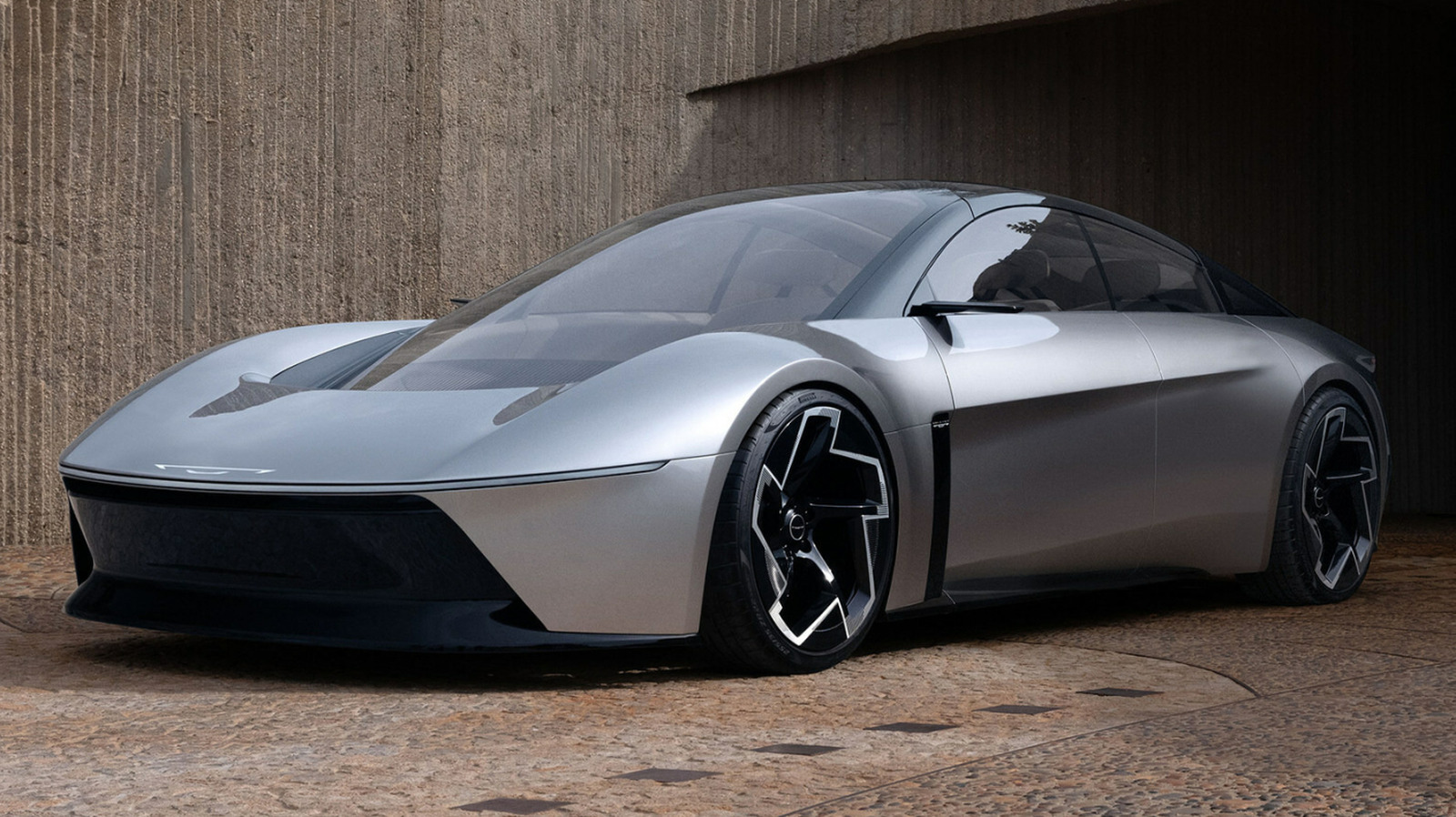
Concept cars reveal strategic crossroads. Chrysler produced ambitious designs over the past two decades that never reached showrooms. These vehicles suggest paths the brand could have taken to remain competitive in more profitable segments. Instead, Stellantis allowed Chrysler to atrophy while investing heavily in Jeep, Ram, and Dodge brands.
The minivan strategy made short-term financial sense. The Chrysler Pacifica generates solid margins and faces minimal competition after Honda and Toyota largely exited the segment. But minivans represent a declining market. Sales have contracted steadily as families shift toward three-row SUVs and crossovers. Chrysler bet everything on a shrinking category instead of pursuing growth vehicles.
Concept vehicles from Chrysler's vault demonstrate that designers and engineers envisioned alternatives. Whether these were compact crossovers, performance vehicles, or electric platforms remains unclear from the available details, but the article's premise holds water. Stellantis made deliberate choices to narrow Chrysler's portfolio rather than expand it.
The broader industry context matters here. Traditional American automotive hierarchies have inverted. Ram trucks now carry Stellantis' profitability banner. Jeep reaches younger buyers. Dodge captured performance enthusiasts. Chrysler, once synonymous with accessible American cars, became a single-product brand competing in the least glamorous category.
This represents a management failure at the highest levels. Stellantis could have invested Chrysler into electric vehicles, affordable crossovers, or modern compact