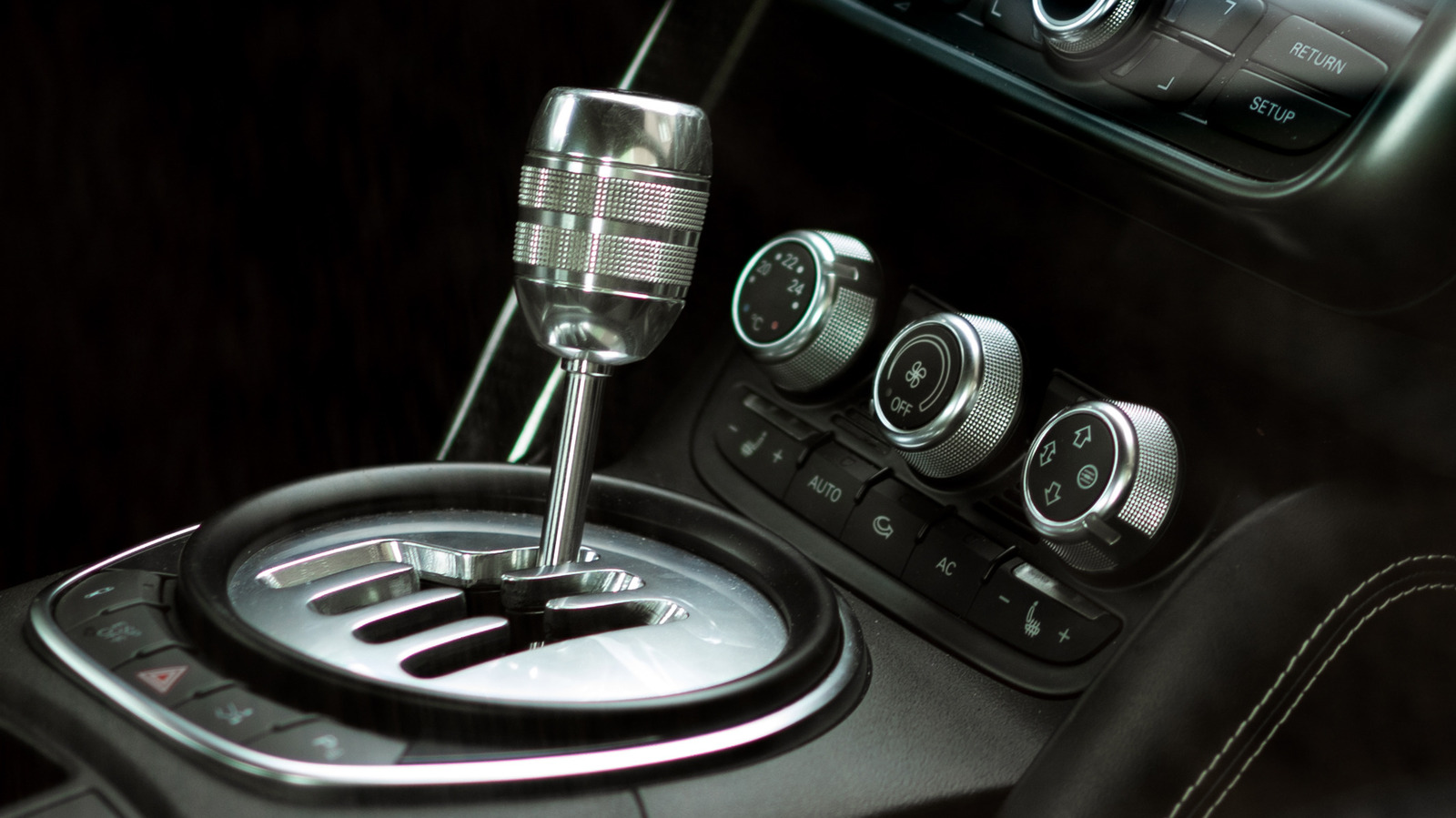
# The Forgotten Final Chapter of Gated Manual Sports Cars
A gated manual transmission, that mechanical rarity once reserved for six-figure exotics, survived longer than most car enthusiasts realize. While Ferrari and Lamborghini established the gated shifter's legendary status, neither brand offered it as their final hurrah for the technology. The last sports car to ship with a true gated manual actually came from an unexpected manufacturer that defied assumptions about where this feature would disappear.
Gated shifters represent a specific design philosophy. Metal gates physically guide the shift lever into each gear position, eliminating accidental misshifts and creating that tactile, mechanical connection drivers crave. The system defined high-performance driving for decades. Ferrari perfected it in the 1960s. Lamborghini adopted it as their own signature. The technology became synonymous with supercar authenticity.
Yet the end of the gated era arrived quietly, from a source few predicted. As manufacturers pivoted to sequential manuals, dual-clutch automatics, and CVTs, traditional gated shifters vanished from production lineups. The last sports car to retain one represents the final vestige of a bygone mechanical era.
The manufacturer's choice surprises because they lack the exotic pedigree of Maranello or Sant'Agata. This company proved you didn't need Italian heritage or eight-figure price tags to preserve mechanical tradition. They understood what their customers valued: a direct, unfiltered connection between driver intent and machine response.
Today's supercars rely on paddle shifters and computer-controlled powertrains. Modern sports cars prioritize convenience and speed. Gated manuals slow drivers down, demand precision, and reward skill. They offer no shortcuts. This philosophy vanishes as automotive manufacturing becomes increasingly automated and software-dependent.
The persistence of this feature in an unexpected