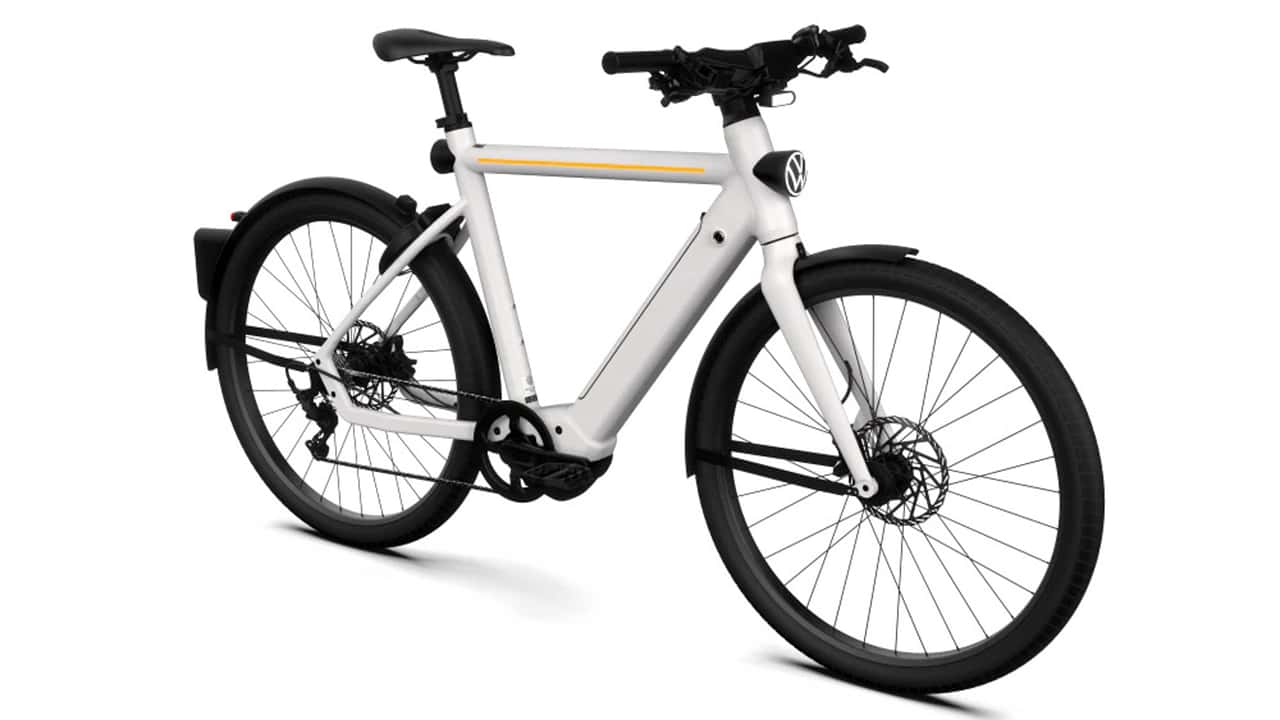
Volkswagen has expanded beyond automobiles into personal mobility with an e-bike equipped with safety technology typically reserved for cars. The system combines a smart helmet with integrated smart glasses that display live navigation, traffic alerts, and safety warnings directly in the rider's line of sight.
The rearview camera mounted on the e-bike feeds video to the helmet display, giving cyclists visibility behind them without turning their head. This addresses one of cycling's fundamental vulnerabilities. The smart glasses layer navigation prompts and hazard warnings onto the real world, reducing the need to glance at a phone or separate device.
Volkswagen's move reflects a broader industry trend. Automakers face maturing EV markets in developed regions, pushing them toward adjacent mobility solutions. E-bikes represent a logical extension, particularly as cities invest in cycling infrastructure and commuters seek last-mile solutions. Trek, Specialized, and Giant have already established strong positions in the premium e-bike segment, but few have backed their products with the digital ecosystem that major automotive suppliers bring.
The smart helmet and glasses pairing targets urban commuters prioritizing safety and convenience. Live traffic integration could warn riders of congestion ahead or alert them to turning vehicles, while navigation guidance keeps attention on the road rather than a mounted screen. The rearview camera directly mirrors automotive safety features.
Volkswagen's entry into connected cycling gear faces questions about cost, battery life for the glasses, and real-world usability in varied lighting conditions. Weather resistance and durability matter more for gear worn outdoors continuously than for in-car systems. Market adoption depends on whether cyclists perceive the premium pricing as justified versus simpler, cheaper alternatives like basic e-bikes paired with smartphone apps.
The product positions Volkswagen in the growing segment of micromobility and personal transport. It signals confidence that electrification extends beyond vehicles into how people move through cities. Whether this becomes a meaningful revenue stream