# How IndyCar Can Actually Compete With Formula 1
IndyCar faces a brutal reality. Formula 1 commands global television audiences exceeding 1.5 billion viewers annually. IndyCar, by contrast, struggles to crack consistent ratings above 1 million in the United States. The gap exists not because one series has better drivers or machinery, but because F1 mastered something IndyCar never did: global branding and consistent storytelling.
The fundamental problem runs deeper than broadcast quality or track selection. F1 built an entertainment empire around personalities and narrative. Lewis Hamilton, Max Verstappen, and Charles Leclerc became household names because Netflix's "Drive to Survive" created sustained character arcs across seasons. IndyCar has produced equally compelling competitors—Colton Herta, Will Power, and Scott Dixon among them—but no equivalent cultural pipeline exists to introduce them to casual sports fans.
Track selection matters less than IndyCar insists. Yes, Monaco and Silverstone carry heritage. But IndyCar already races at storied venues. The Indianapolis 500 remains motorsport's most prestigious single-event prize. Road America, Mid-Ohio, and Laguna Seca offer technical racing that matches anything on the F1 calendar. Broadcasts from these venues simply do not reach the same audience.
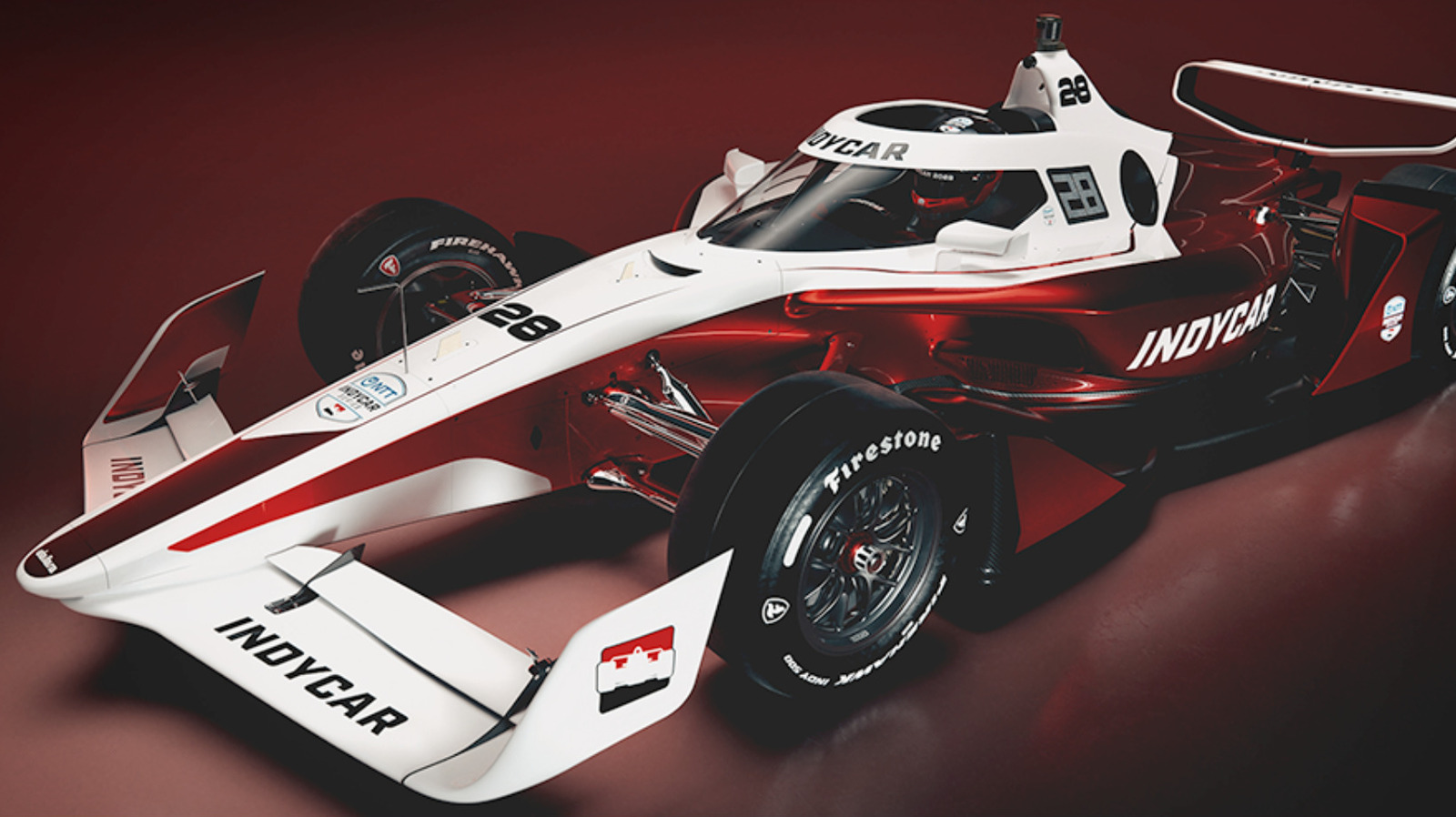
The car itself presents opportunity and constraint simultaneously. IndyCar's spec chassis and manufacturer-supplied powerplants mean less technical differentiation than F1 tolerates. This produces closer racing—something fans claim to want. However, F1's technological arms race generates headlines and casual interest among non-enthusiasts. "New regulations" becomes dinner table conversation when teams spend hundreds of millions on innovation. IndyCar's stable technical platform prevents this natural amplification.
Broadcasting strategy requires complete reimagining. F1 invests heavily in behind-the-scenes documentary content, driver profiles, and off-track narrative. NBC's IndyCar coverage remains functional but sterile. A series-long documentary arc following multiple drivers throughout a season could establish the emotional investment that separates casual viewers from invested fans. Short-form video content distributed through TikTok and Instagram remains virtually nonexistent despite IndyCar's younger average driver age.
International expansion demands commitment. F1 races in 24 countries annually. IndyCar, constrained by budget and manufacturer support, races primarily in North America with occasional international events. Street races in Mexico City, Toronto, and Long Beach provide regional appeal. Adding sustainable events in Asia or Europe would require broadcast partnerships with regional streaming platforms and television networks willing to invest marketing dollars.
Driver development and star manufacturing demands patience. IndyCar cannot poach established F1 names, nor should it try. Instead, the series should identify young talent earlier, follow them throughout their careers on camera, and build sustained narratives around their progression. Oscar Piastri and Lando Norris captured casual attention partly because their stories began years before their F1 debuts and continued through documentary content.
The sponsorship ecosystem requires overhaul. F1 teams command title sponsorship valuations exceeding $50 million annually. IndyCar teams struggle to attract sponsors beyond regional brands. Stability in team ownership, merged ownership structures that reduce operating costs, and league-controlled sponsorship partnerships could elevate team resources and public visibility simultaneously.
IndyCar's racing product remains superior on most metrics. Wheel-to-wheel competition exceeds F1's processional parade laps in most races. The problem stems entirely from infrastructure, narrative engineering, and global distribution. Those elements require investment in content, patience with talent development, and strategic partnerships that neither IndyCar's ownership structure nor current budgets support.
Beating F1 requires not racing better, but storytelling better.