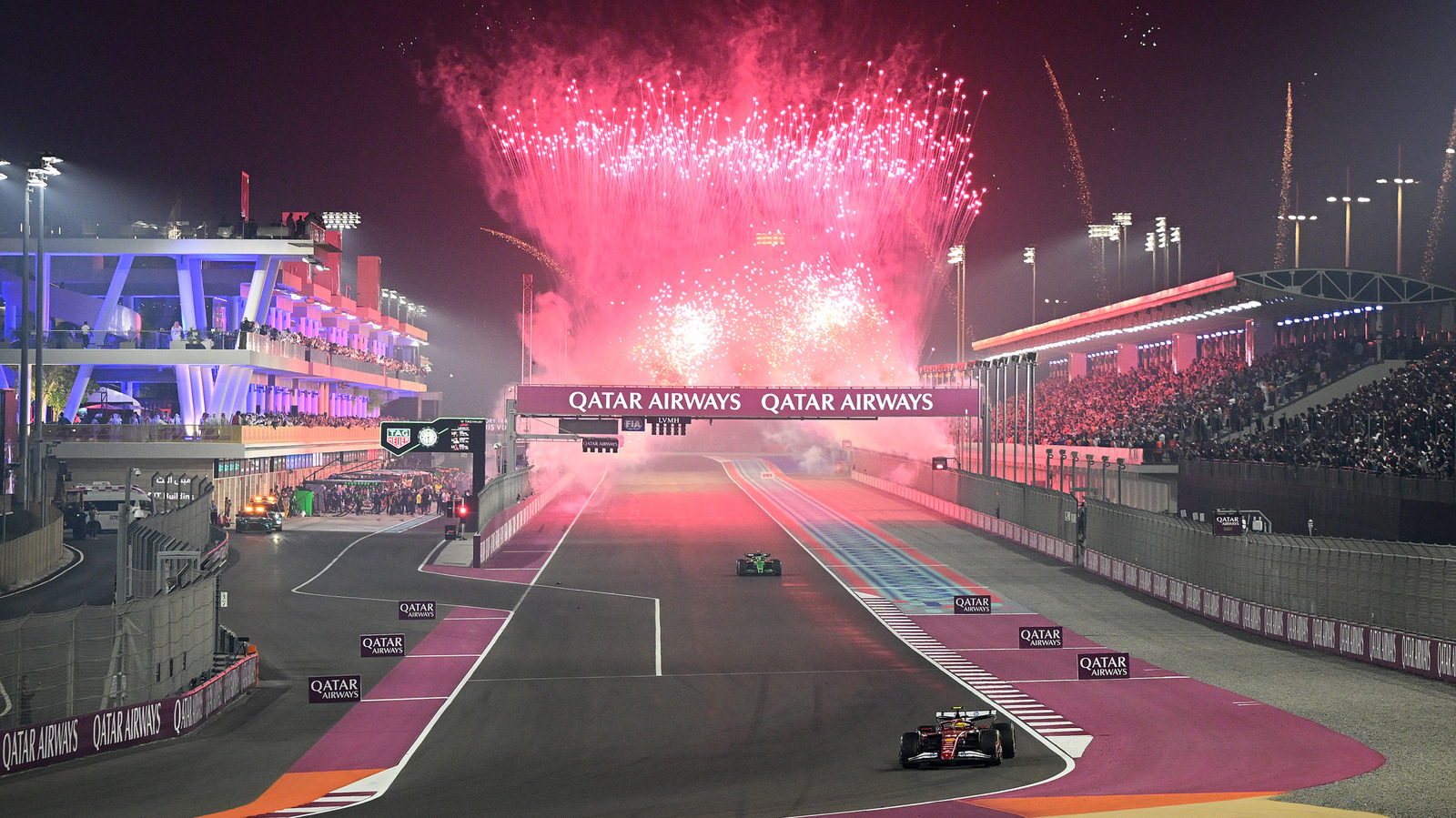
Qatar's government maintains that it remains a secure host for Formula 1 and MotoGP racing events, even as regional tensions escalate. The assertion comes amid reports that both championships are preparing to cancel their scheduled Qatar rounds within weeks.
The situation reflects a widening gap between official assurances and the practical decisions of racing sanctioning bodies. Formula 1 and MotoGP each draw hundreds of thousands of spectators and employ thousands of personnel across teams, media, and support staff. Security protocols for events of this scale demand absolute certainty, and both organizations appear unwilling to gamble on diplomatic reassurances alone.
Qatar has invested heavily in becoming a motorsport destination. The country hosts the Lusail International Circuit, a 5.419-kilometer track that opened in 2008 and has become a staple on both the F1 and MotoGP calendars. The Grand Prix brings global attention and substantial economic benefit through tourism and broadcasting rights. For MotoGP, the season-opening races at Lusail traditionally set the tone for championship battles. Losing these events represents a logistical headache and revenue loss for both series.
Canceling races this late in the planning cycle creates cascading problems. Teams have already shipped equipment, booked hotels, and arranged travel for drivers, mechanics, and personnel. MotoGP's calendar, already compressed by the need to fit 21 races across the year, loses flexibility. F1's 24-race schedule similarly depends on Qatar as a crucial early-season test of car performance and setup in warm conditions.
The cancellations also raise questions about contract obligations. Qatar's government committed financial guarantees to host these events. Race organizers, team principals, and broadcasters all have financial stakes in whether these races proceed. Insurance claims, force majeure provisions, and renegotiated terms will determine who absorbs losses if the cancellations go forward.
From a competitive standpoint, losing Qatar affects different teams unevenly. Teams with testing facilities and simulation resources can prepare without live track time. Others, particularly smaller operations, lose valuable data collection opportunities. The cancellation sets a precedent about how racing series respond to geopolitical risk. This matters for future host selections and contract negotiations in regions facing political instability.
Qatar's confidence in its security infrastructure may be justified by its track record hosting high-profile international events without incident. However, racing sanctioning bodies must weigh government assurances against the complexity of securing events involving international travel, concentrated crowds, and media presence. A security incident at either championship would damage Qatar's reputation for decades, creating mutual incentive for caution.
The expected cancellations suggest that both F1 and MotoGP have determined the risk calculus no longer favors proceeding. Neither series can afford reputational damage from a security failure, and insurance providers may have declined coverage at acceptable rates. Alternative venues likely exist or can be rapidly activated, though schedule reshuffling creates its own challenges.
These cancellations signal that sporting organizations, despite government appeals, prioritize operational certainty and participant safety over contractual commitments when geopolitical conditions deteriorate. Qatar's assurances, however genuine, cannot override the hard logistical reality that motorsport events require stable conditions to function properly.