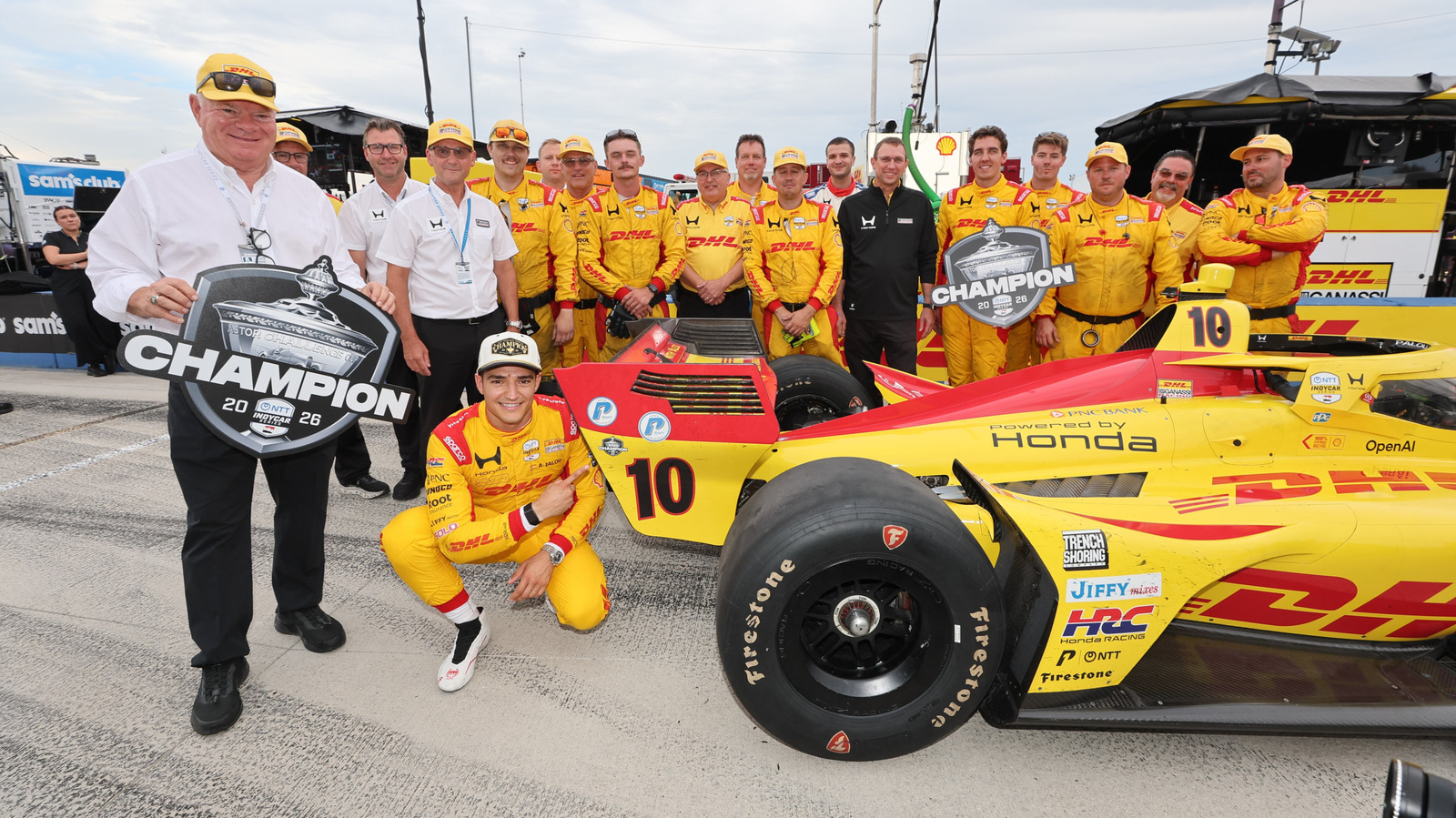
Alex Palou has joined an extraordinarily exclusive club. The Spanish driver clinched his fifth IndyCar championship in six seasons, a feat that places him among the most dominant forces in the sport's modern history.
Palou drives for Chip Ganassi Racing, now operating as Ganassi, and has assembled a résumé that reads like a championship factory. Five titles since 2021 puts him in rare company. Only drivers like A.J. Foyt and Rick Mears have matched this kind of sustained excellence across consecutive seasons. Palou's consistency defies the parity that typically defines single-seat racing.
The path to this championship unfolded under unusual circumstances. The IndyCar season featured conditions that allowed for an extraordinary achievement by another driver on the same day. Pato O'Ward, the McLaren SP driver, became the first IndyCar competitor to win twice in a single day since Rick Mears accomplished the feat in 1981. That 43-year gap underscores how rare such performances are. Double-feature racing days exist in series schedules, but back-to-back victories from the same driver remain exceptional events.
O'Ward's dual wins carry weight beyond the novelty factor. The Mexican driver, competing for Chip Ganassi Racing as well, demonstrated the kind of precision and adaptability required to conquer two races on identical machinery and circuits in one calendar day. Such performances typically emerge from flawless pit stops, pit strategy, fuel management, and zero mistakes from either the driver or the engineering crew.
Palou's championship dominance reflects the structural advantages that top-tier teams maintain in IndyCar competition. Ganassi's resources, engineering depth, and driver development program have consistently positioned its roster for success. The team fields multiple competitive entries, allowing for shared data, setup refinement, and tactical flexibility during races. Palou has leveraged these advantages throughout his tenure.
The 2024 season represents another validation of Palou's racecraft and mental fortitude. IndyCar demands versatility across vastly different track types. Palou performs equally well on road courses like Road America and Mid-Ohio, high-speed ovals such as Indianapolis Motor Speedway, and temporary street circuits including Toronto and Detroit. This breadth of competence distinguishes champions from quick single-discipline specialists.
Palou's five championships in six years also reflects declining parity at the top of the IndyCar grid. While the series maintains competitive balance across the midfield, the championship fight increasingly concentrates among drivers backed by the most established organizations. Ganassi, Team Penske, and Andretti Autosport command resources that smaller operations cannot match. This dynamic mirrors trends across international motorsport.
For IndyCar stakeholders, Palou's dominance presents a competitive challenge. Series officials monitor championship concentration closely, as sustained dominance by a single driver or team can reduce casual fan engagement. However, Palou's professionalism, consistency, and versatility have earned respect across the paddock. His five titles reflect genuine excellence rather than circumstantial advantage alone.
The path forward remains clear for Palou. At 28 years old, he possesses years of peak performance ahead. Whether he can continue assembling championships at this pace depends partly on the team's continued investment and partly on the unpredictable variables that define motorsport competition.