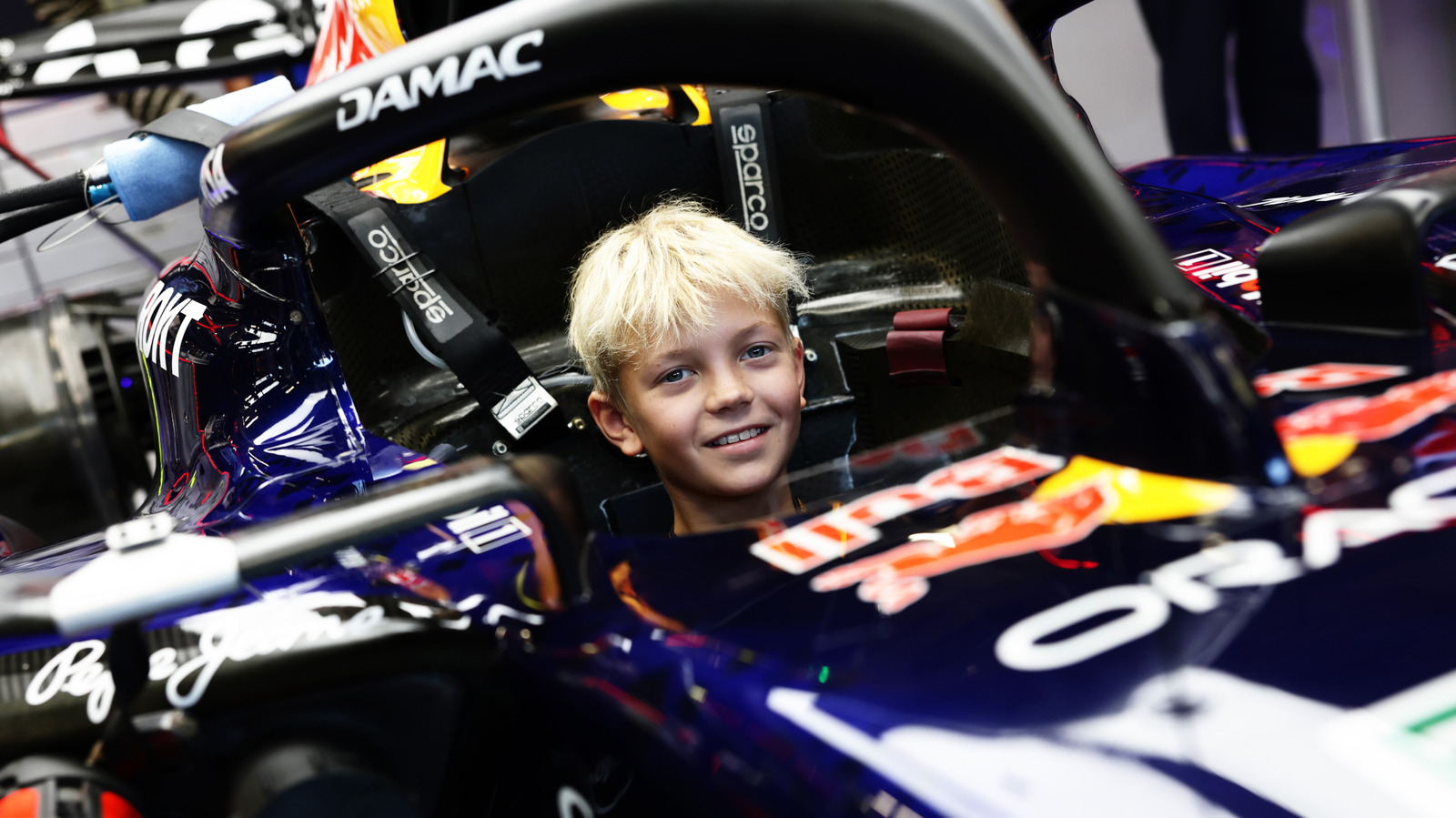
Red Bull's junior driver program secured signing rights to Robin Räikkönen, the 11-year-old son of former Ferrari and McLaren driver Kimi Räikkönen, after winning a competitive bidding process. The move reflects the Milton Keynes outfit's continued dominance in identifying and nurturing early racing talent.
Red Bull's track record speaks for itself. Max Verstappen emerged from the program to become a four-time Formula 1 world champion, while the pipeline consistently produces drivers capable of competing at motorsport's highest levels. The program operates across multiple racing categories, from junior single-seaters through to F1 reserve and test roles. By securing Robin Räikkönen at age 11, Red Bull gains exclusive access to develop another generational prospect before rival teams can make serious pitches.
The bidding war itself signals competitive interest from other F1 academies. Ferrari's youth program, Mercedes' driver development pathway, and McLaren's initiatives all invest heavily in identifying emerging talent early. Alpine, Aston Martin, and other teams similarly operate formal junior schemes. Yet Red Bull's success rate remains exceptional. The program's infrastructure, mentorship access, and clear pathway to F1 seats make it the target destination for ambitious families.
Robin Räikkönen carries pedigree. His father won the 2007 F1 championship and raced 344 Grand Prix events across two decades. Kimi's late-career comeback attempts and sustained competitiveness demonstrated rare longevity and racecraft. That genetic blueprint, combined with modern driver development methodology, makes Robin an attractive prospect. Red Bull's scouts likely identified natural speed and temperament during regional or national karting competitions.
The junior program operates as both talent factory and marketing asset. Red Bull gains first refusal on signing drivers who develop F1-caliber speed, reducing recruitment uncertainty. Financially, the program pays dividends through sponsorship, media attention, and social media engagement. A famous surname like Räikkönen amplifies visibility. Yet the organization maintains credibility through demonstrated results. Verstappen's dominance, Andrea Dovizioso's Moto2 and MotoGP success through alternative Red Bull programs, and the current F1 grid representation justify the investment.
Context matters here. F1 driver academy saturation reached levels where securing 11-year-old prospects became common strategy. Mercedes' program developed George Russell and Esteban Ocon. Ferrari nurtured Charles Leclerc and Carlos Sainz before recruitment. Alpine discovered Oscar Piastri's potential early, though contract disputes later complicated matters. Red Bull's advantage lies in execution velocity and seat availability. Verstappen's performance guarantees Red Bull budget allocation and constructor resources that dwarf some rival programs.
The current F1 season demonstrates junior program value. Andrea Kimi Antonelli, Mercedes' academy product, leads the championship, validating early identification methods. His progression from junior categories through Mercedes reserve status to F1 race seat occurred seamlessly. Red Bull expects similar trajectories for selected talents.
Robin Räikkönen's recruitment doesn't guarantee F1 success. Many junior drivers plateau at lower formulas. Single-seater progression depends on consistent speed improvement, mental resilience, and competitive opportunity. Yet Red Bull's resources, mentor network, and infrastructure maximize probability of success. The organization identified Verstappen at age seven and invested accordingly. Identical methodology now applies to the Räikkönen addition.
This signing represents confidence in Red Bull's development philosophy ahead of F1's new regulatory cycle and intensifying competition for junior talent.