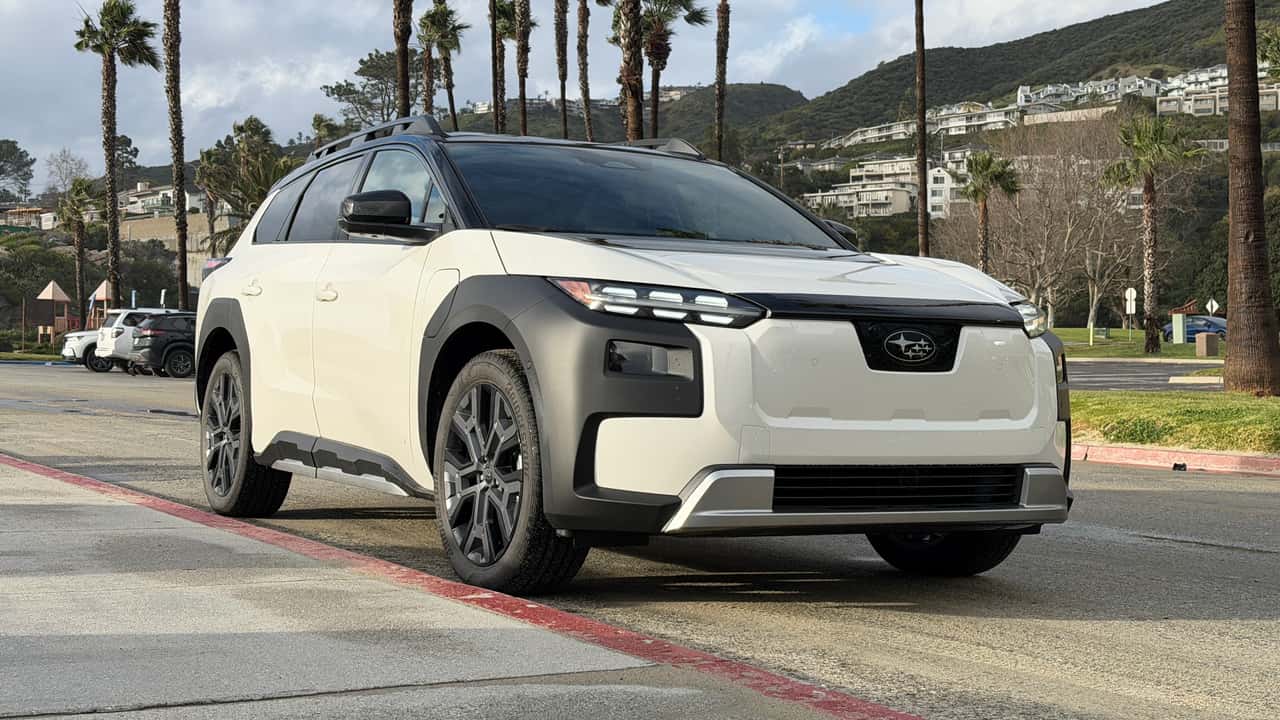
Subaru faces a costly problem. The automaker spent three times more marketing dollars per EV sold compared to gasoline vehicles in its latest quarter, yet sales momentum remains weak. U.S. marketing expenses jumped 40% last quarter, with the bulk directed at electric vehicles.
The math reveals the struggle. Subaru poured significant resources into promoting its EV lineup, primarily the Solterra and upcoming models, but conversion rates lag behind expectations. The company's traditional strength lies in gas-powered vehicles like the Outback and Crosstrek, which continue to sell steadily with minimal promotional support.
This pattern mirrors broader industry challenges. Automakers worldwide overspend on EV marketing because consumer awareness remains patchy and purchase hesitation runs deep. Charging infrastructure concerns, range anxiety, and battery cost premiums create friction that advertising alone cannot overcome. Subaru's struggle suggests even trusted legacy brands cannot simply market their way to EV adoption.
The 40% spending increase highlights desperation. Subaru needs EV sales volume to climb toward regulatory compliance and long-term profitability, but throwing money at the problem yields diminishing returns. Competitors including Ford, General Motors, and Volkswagen report similar patterns: elevated marketing spend paired with slower-than-expected EV uptake.
Subaru's timing compounds the issue. The company entered the EV market later than Tesla, Hyundai, and others. The Solterra launched in 2023 to modest reception. Meanwhile, the brand's core buyers remain loyal to proven gas vehicles, creating a customer base resistant to switching.
The path forward demands action beyond advertising. Subaru needs competitive pricing, expanded dealer network readiness for EV service, and perhaps more diverse model options. The brand's reputation for reliability and all-wheel drive capability matters less when prospective EV buyers question charging networks and long