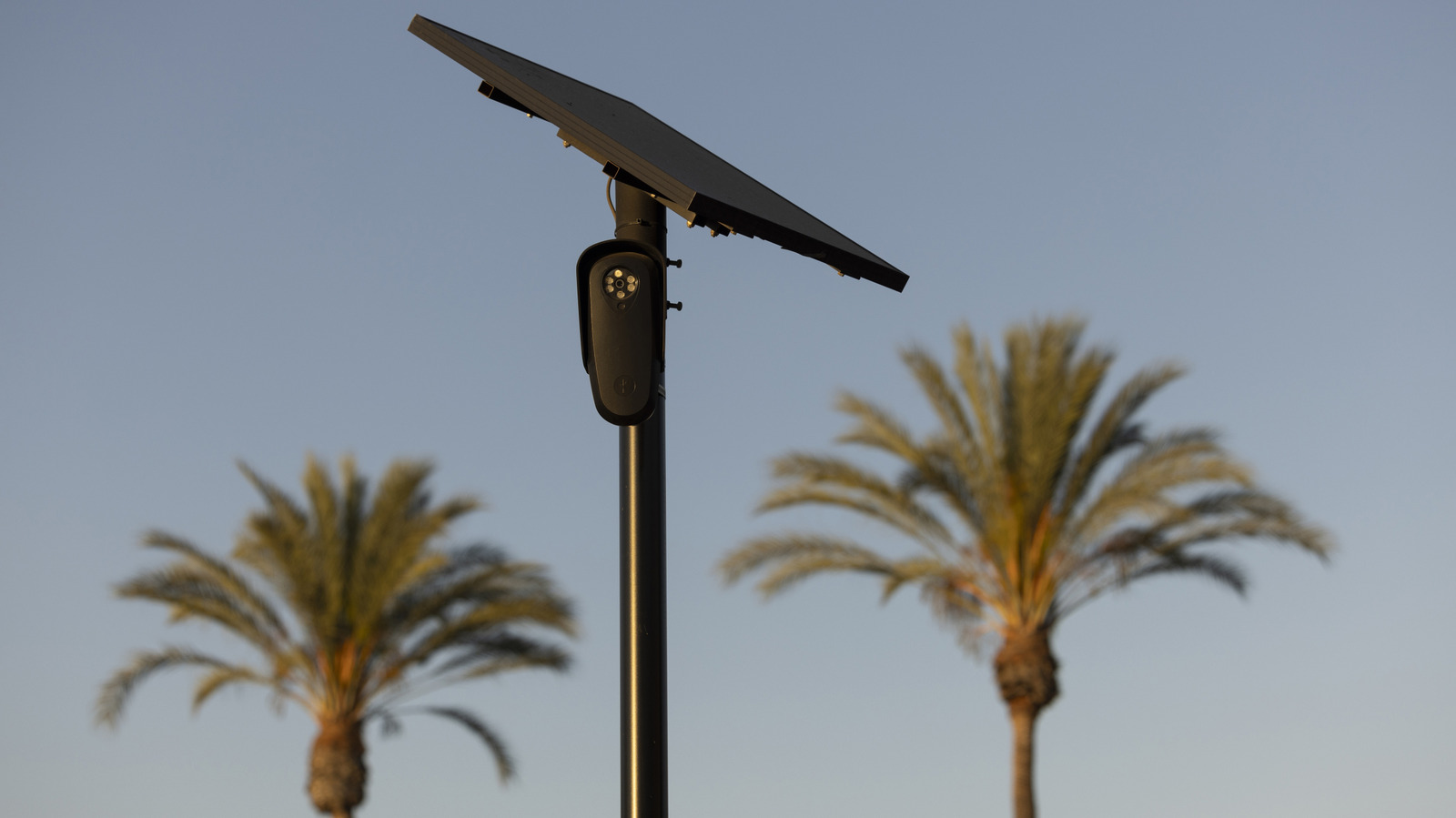
Flock Safety's automated license plate recognition (ALPR) cameras are falling far short of promised accuracy in at least one California municipality. The company claims its systems achieve accuracy rates in the high 90s, yet the town's real-world deployment shows only a 29% correct identification rate for license plates.
This gap between marketing claims and actual performance raises serious questions about ALPR reliability in law enforcement. Flock cameras have proliferated across American cities as departments seek faster crime-solving tools. The systems capture vehicle plate images and cross-reference them against wanted vehicle databases, stolen car registries, and amber alert lists. When functioning properly, they can alert officers to vehicles of interest in real time.
The California town's results suggest the cameras either struggle with local lighting conditions, weather patterns, or vehicle angle variations that Flock's controlled testing didn't account for. A 71% failure rate means police officers pursue false leads, waste investigative resources, and potentially misidentify innocent vehicle owners as suspects. This creates liability exposure for departments relying on the technology without understanding its limitations.
Flock dominates the ALPR market, with thousands of cameras deployed nationwide. The company has marketed its systems as highly accurate and cost-effective compared to hiring additional officers. However, independent audits and real-world deployment data increasingly reveal accuracy problems that vary significantly by location and conditions.
The disparity matters because law enforcement agencies make consequential decisions based on ALPR alerts. Officers approach vehicles with heightened alert status when ALPR flags a match. Inaccuracy rates this high undermine investigative confidence and could contribute to unnecessary confrontations.
This California town's experience demands scrutiny from other departments currently evaluating or using Flock systems. Police departments need transparent accuracy metrics specific to their local conditions before deploying ALPR technology at scale. The high-90s accuracy claims require independent verification rather than rel