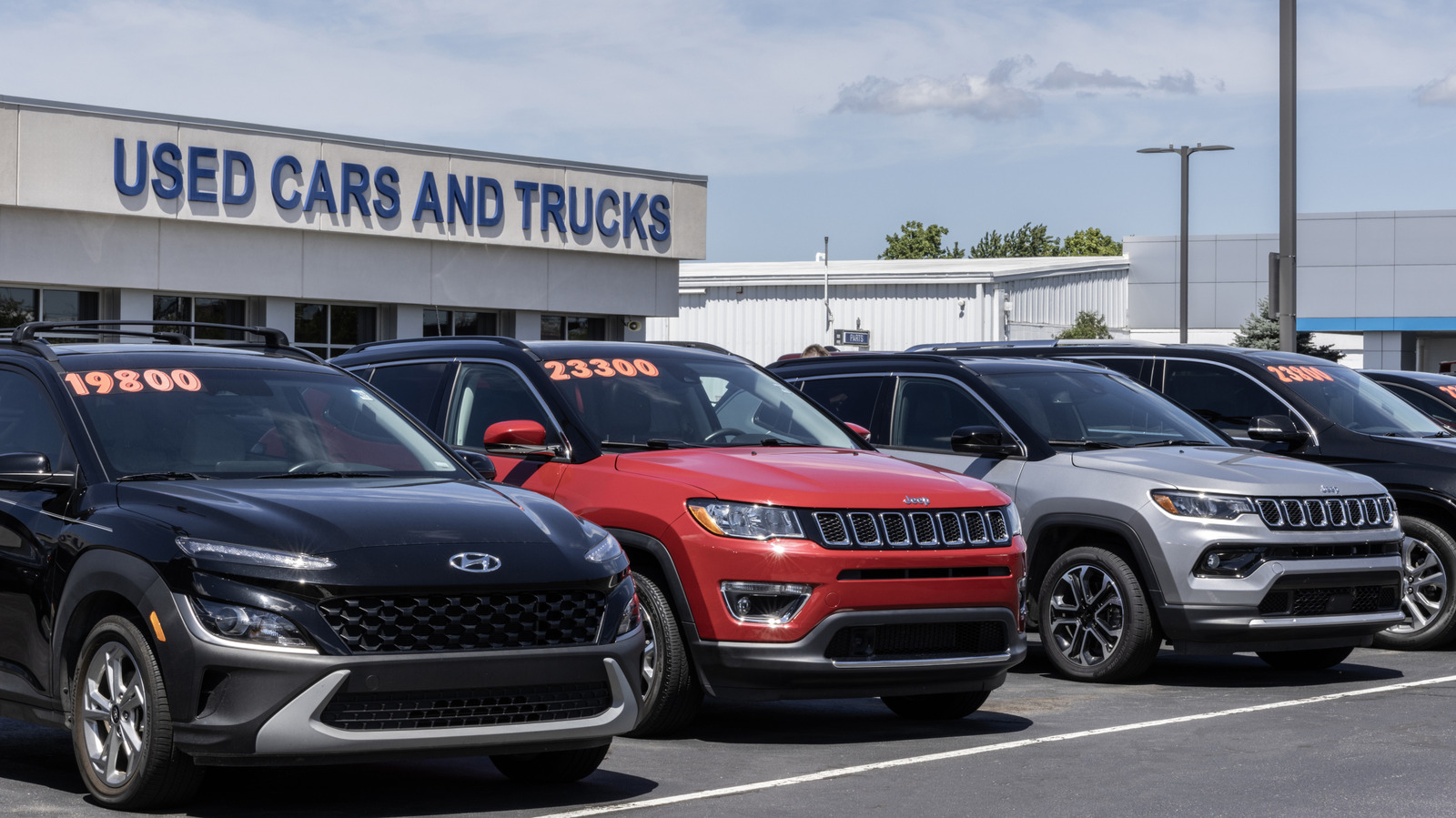
Used car pricing across the United States reflects regional supply dynamics, local economic conditions, and demographic demand patterns that buyers often overlook when shopping nationally.
States with the lowest used car prices typically cluster in regions with weaker demand or oversupply. Rural and economically depressed areas often see the cheapest inventory. Vehicle condition, mileage, and age matter everywhere, but regional factors create substantial price swings for identical models. A ten-year-old Honda Civic might sell for $8,000 in rural Mississippi but command $11,500 in coastal California.
Western coastal states consistently show the highest used car prices. California leads the nation with median used car prices exceeding $16,000, driven by dense population, high incomes, environmental regulations favoring newer vehicles, and strict smog testing requirements that push buyers toward recent model years. Washington and Oregon follow similar patterns. These states attract buyers with disposable income willing to pay premiums for vehicles meeting strict emission standards.
Northeastern states like Massachusetts and New York also maintain elevated prices. Population density, limited space for car storage, and affluent suburban markets create persistent demand that supports higher valuations. Used cars flow toward regions where buyers can afford them, creating natural price equilibrium.
Southern and Midwestern states offer the most budget-friendly used cars. Mississippi, Arkansas, Louisiana, and Alabama consistently rank among the cheapest markets. Lower cost of living, reduced regulatory pressure, and agricultural economies with older working vehicles all contribute. Median prices in these states often drop below $10,000.
Auction houses and dealer networks amplify these regional differences. Copart and IAA auctions feed inventory toward high-price markets where salvage and rebuilds fetch more money. Japanese manufacturers dominate affordable markets because reliability and cheap parts availability make older Toyota and Honda models perpetually valuable for budget buyers.
Fleet retirement patterns also influence pricing. Corporate lease returns concentrate in major metros where fleet operations cluster. This creates secondary supply chains that trickle down to rural areas, sometimes depressing prices as cars age through multiple owners.
Interest rate environments shift affordability dynamics. Higher rates increase monthly payments, making cheap base prices in low-cost states more attractive to buyers financing purchases. Conversely, affluent coastal buyers weather rate hikes through larger down payments, sustaining prices despite headwinds.
Buyers shopping across state lines should factor in transportation costs. Purchasing a $3,000 cheaper truck in Texas but shipping it to Vermont erodes savings fast. Title transfer complexity and registration fees vary by state, adding hidden costs.
The used market remains highly fragmented. National pricing aggregators help buyers understand regional trends, but local dealer margins, specific inventory selection, and individual vehicle condition ultimately determine what you actually pay. Shopping regionally versus nationally depends on your flexibility and whether you can realistically inspect and transport vehicles across state lines.
For budget-conscious buyers, Southern markets offer genuine value. For those in premium markets, accepting higher prices or expanding search radius into neighboring states yields marginal savings worth pursuing only on purchases exceeding $15,000.