# Cop Used Flock Cameras to Stalk Abuse Victim. Department's Response Sets a Standard.
A woman who changed her identity to escape an abusive police officer ex-boyfriend discovered he had weaponized Flock cameras, the license plate recognition system increasingly deployed across U.S. cities, to track her movements. The incident exposes a critical vulnerability in how law enforcement agencies deploy surveillance technology and what happens when officers abuse access to these systems.
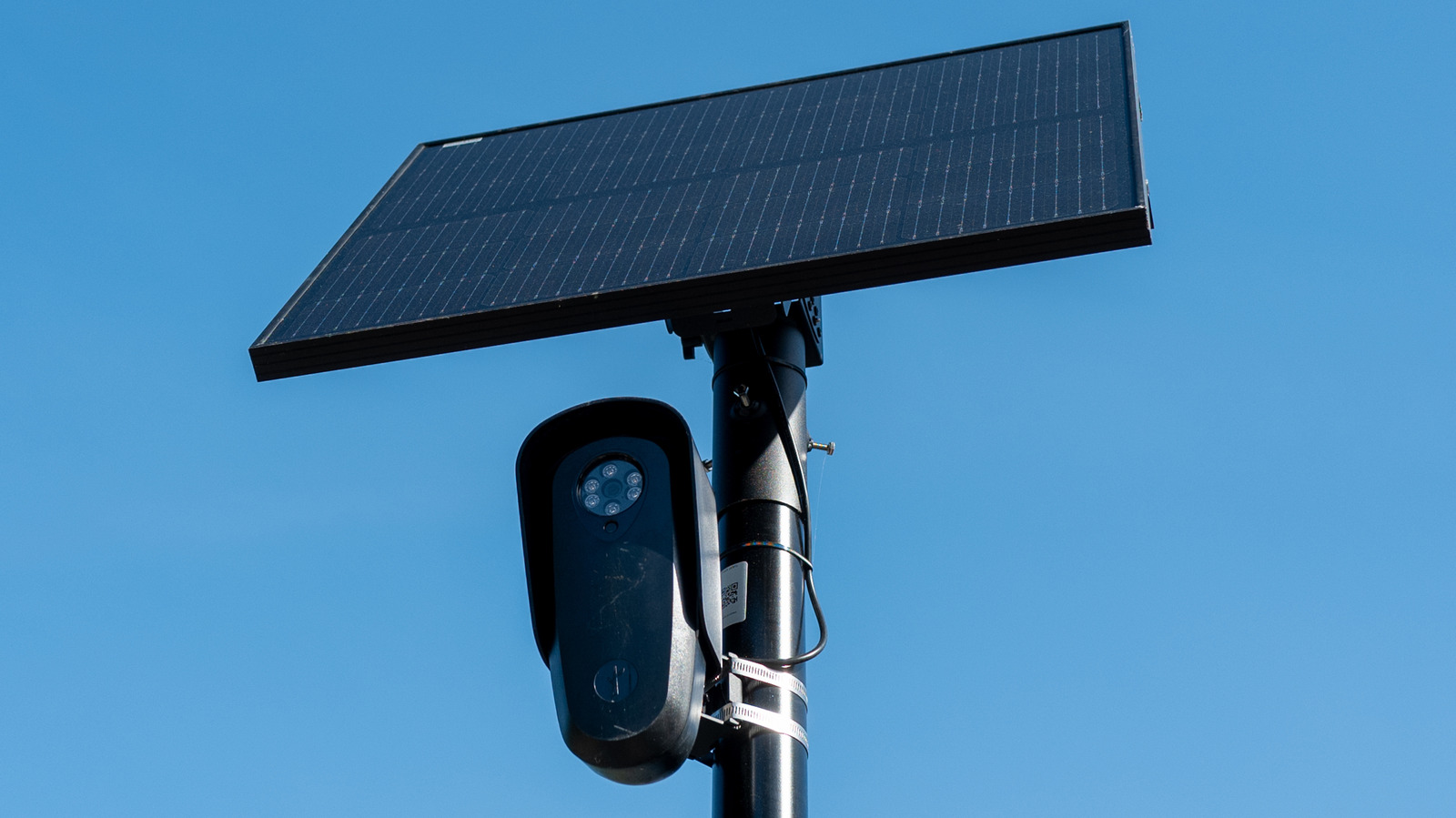
Flock Safety's cameras capture license plate data and feed it into searchable databases. Police departments subscribe to the service and grant officers access to query vehicles. The abuse in this case followed a familiar pattern: an officer with system access exploited it for personal reasons rather than legitimate law enforcement purposes. The woman, who had deliberately altered her identity and vehicle registration to stay hidden from her ex, found herself located anyway through the automated surveillance network.
What makes this story noteworthy is not the abuse itself, which happens with troubling regularity across police departments and government databases. The news hook centers on how the police department handling the case responded. According to reporting, the department treated this misuse as a serious offense, not a routine mistake or office matter. They initiated investigation, removed the officer's access, and apparently faced accountability measures beyond a quiet transfer.
Police departments have historically struggled with enforcing use policies on access systems. Officers have abused address lookup tools, license plate readers, and internal databases to stalk ex-partners, conduct unauthorized background checks on civilians, and investigate personal disputes. These incidents surface regularly in internal affairs reports and civil lawsuits, but consequences often remain limited. A suspension, retraining, or lateral movement to another department typically concludes the matter.
The Flock system specifically represents a newer surveillance layer in American policing. The cameras operate on public streets and in parking lots, capturing every vehicle that passes. The system can identify stolen cars, locate suspects, and support legitimate investigations. It can also enable exactly what happened here: dragnet tracking of a specific individual across an entire city or region, accessible to any officer with login credentials and minimal oversight.
This creates a particular danger for domestic abuse victims. Police departments have documented cases where abusers used their access to police systems to locate protective order violators they were stalking. Victims who change vehicles, move addresses, or modify registrations to avoid contact can be re-located through automated systems they cannot see or contest.
The department's response matters because it signals that misuse carries real consequences. If officers face termination, criminal charges, or significant suspensions for unauthorized queries, fewer will attempt it. If departments audit access logs regularly, they catch abusers. If supervisors treat such violations as serious misconduct rather than minor infractions, the culture shifts.
Flock Safety and similar companies have expanded rapidly across the country. Over 4,000 U.S. law enforcement agencies now use Flock cameras. Without consistent accountability standards for misuse, the technology becomes a stalking tool for the same people it purports to help police investigate. The woman's case demonstrates both the danger and what responsible enforcement looks like.