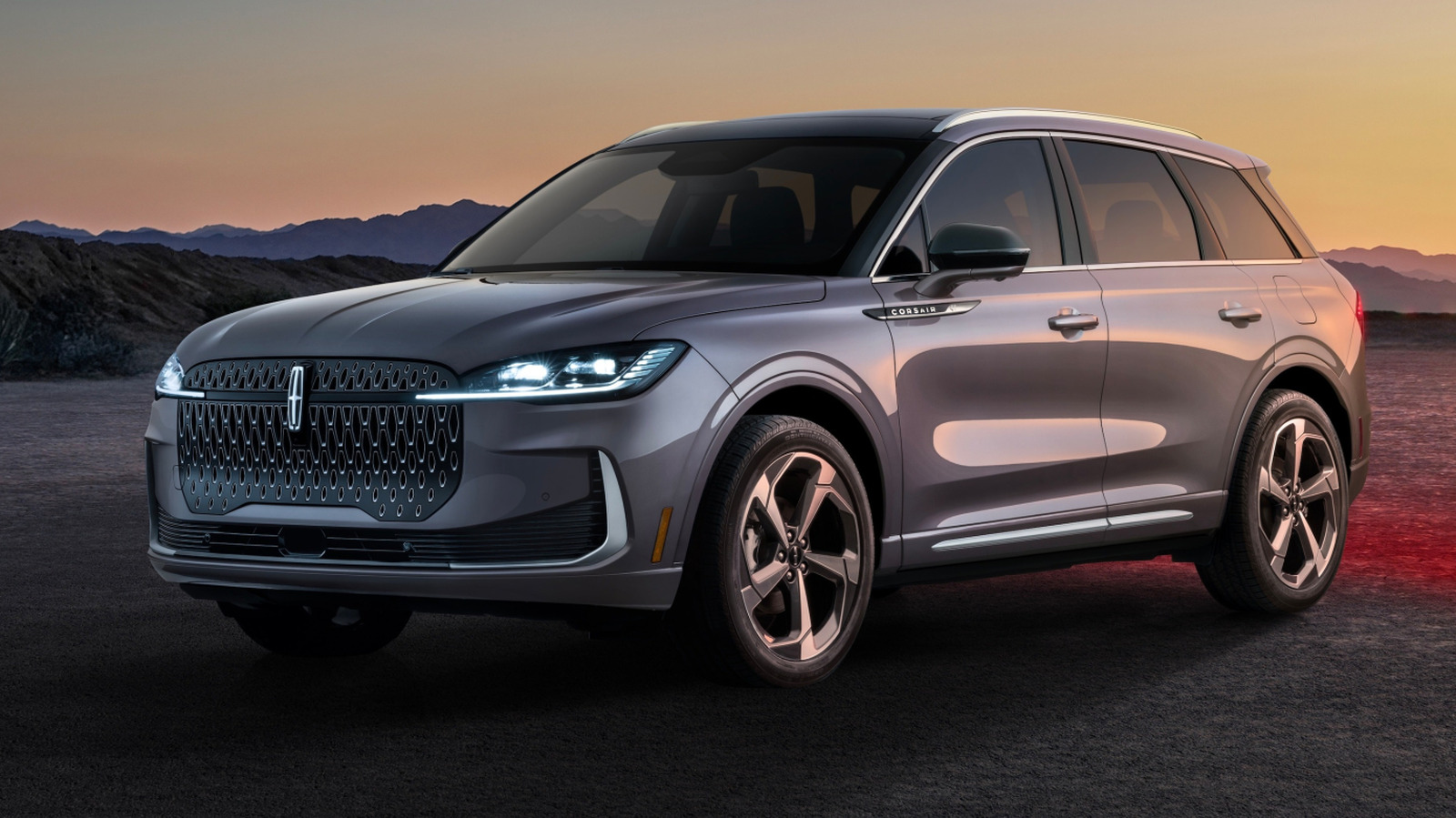
Lincoln's decision to source the redesigned 2027 Corsair from China represents a major shift in the brand's manufacturing footprint and product strategy. The midsize luxury crossover will arrive in U.S. showrooms exclusively as a hybrid, abandoning the plug-in-hybrid variant that previously defined its powertrain lineup.
The new hybrid system delivers 305 horsepower, a meaningful gain over the outgoing plug-in hybrid's output. This powertrain efficiency move aligns with broader automotive industry trends favoring traditional hybrids as a bridge technology while EV adoption remains volatile and infrastructure incomplete. Ford's luxury division is betting that buyers will accept the loss of plug-in capability if they get improved power delivery and potentially better fuel economy.
Sourcing from China marks a dramatic reversal in domestic manufacturing priorities for a brand that once symbolized American luxury production. Lincoln previously built the Corsair at Ford's Louisville Assembly Plant in Kentucky. The shift to Chinese manufacturing, likely from Ford's partnerships in that market, cuts production costs significantly but raises domestic-buyer perception questions. Ford faces increasing pressure to maximize efficiency across its portfolio as it navigates the transition to electrification and manages profitability in luxury segments where margins grow slimmer.
Pricing increases accompany this refresh, though exact figures weren't disclosed. Hybrid powertrains typically command premiums over conventional engines, and import tariffs on Chinese-built vehicles could push retail prices higher still. Lincoln must justify these increases to customers already skeptical about losing plug-in capability and domestic production.
The Corsair competes directly against established hybrid players like the Lexus NX and Acura RDX in the midsize luxury crossover segment. Both Japanese competitors offer hybrid powertrains as standard or optional, and both retain strong domestic brand perception. Lexus's proven hybrid reliability and efficiency set the competitive bar high. Lincoln's import strategy gambles that 305 horsepower, refined cabin quality, and Lincoln's prestige can overcome concerns about Chinese sourcing and the absence of plug-in capability.
Ford's decision reflects deepening manufacturing complexity. Chinese automakers have captured dominant hybrid expertise through years of domestic competition and government incentives. Rather than continue domestic production at higher costs, Ford opts to import complete vehicles and preserve margin. This approach appears increasingly common across Detroit's luxury brands as production scales shrink and electrification timelines remain uncertain.
The Corsair refresh launches into a market experiencing renewed interest in hybrids. Gas prices remain elevated compared to pre-pandemic levels, and buyers increasingly view full battery-electric vehicles skeptically given charging infrastructure gaps and real-world range limitations. A well-executed hybrid crossover with adequate power and reasonable pricing could perform well.
However, Lincoln must overcome the "made in China" objection. American luxury buyers have historically associated premium brands with domestic craftsmanship and quality control. Lincoln's domestic production heritage gives way to supply-chain efficiency. Whether owners perceive this as pragmatic adaptation or brand dilution remains uncertain. The 2027 Corsair's market reception will signal whether Chinese-sourced luxury vehicles gain acceptance among American consumers or face persistent skepticism.