# What Vehicles Did The Army Use Before The Jeep
The U.S. Army's search for a light reconnaissance vehicle before Willys delivered the Jeep reads like a catalog of automotive desperation. Military planners tested everything from hastily modified civilian cars to purpose-built prototypes that ranged from clever to completely impractical.
In the 1930s, the Army's mobility challenge was real. Commanders needed vehicles that could traverse rough terrain, carry troops and supplies, and operate where horses and trucks couldn't. They had no blueprint. What followed was institutional trial and error at scale.
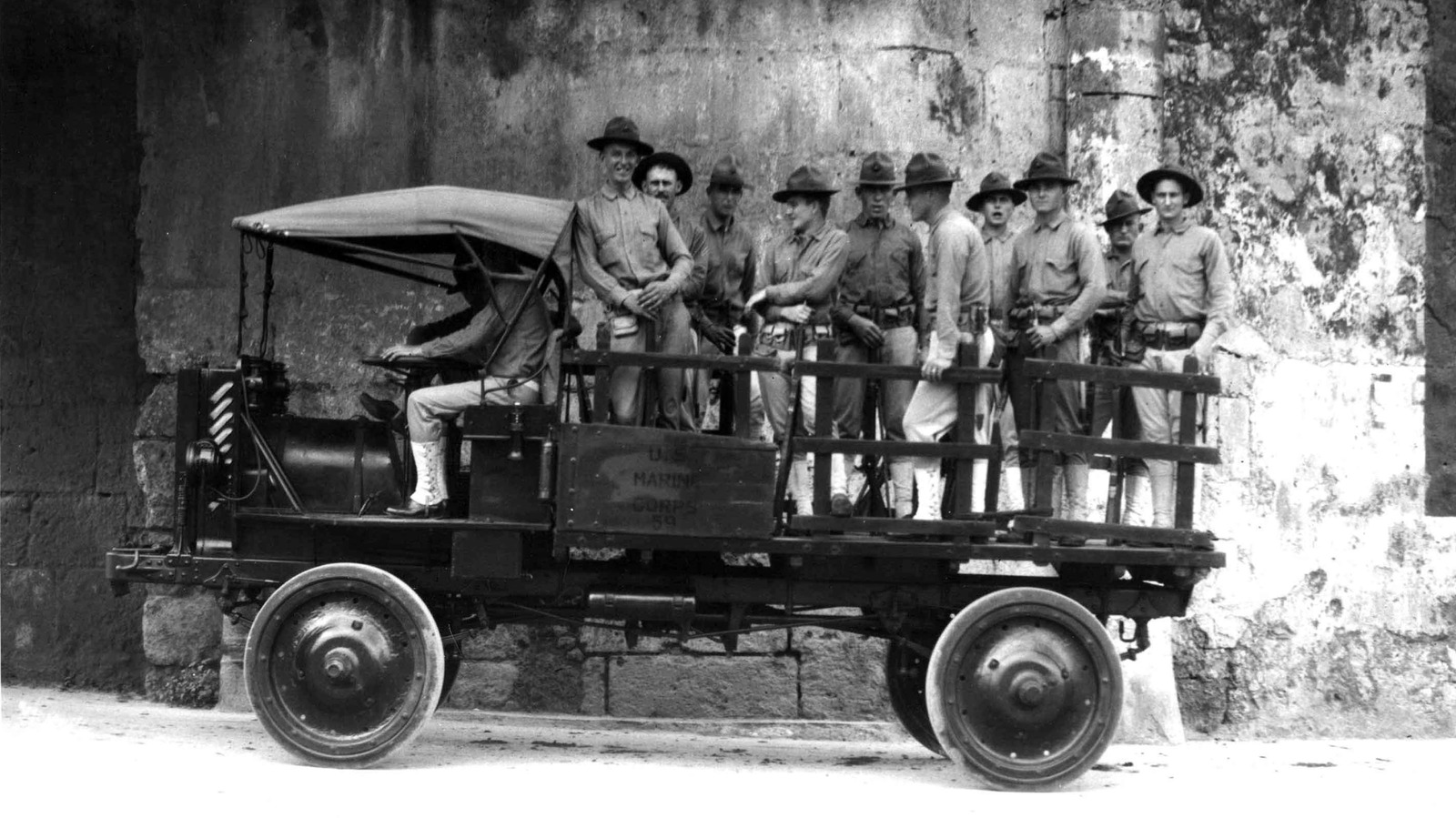
Early attempts centered on adapting existing civilian models. The Army pressed trucks and passenger cars into service, cutting away unnecessary bodywork and reinforcing frames. These conversions proved slow and unreliable. They weren't designed for off-road punishment. Horsepower was adequate, but ground clearance and weight distribution failed under field conditions. The Army learned that modification alone couldn't solve the fundamental problem.
Experimental designs followed. Engineers sketched lightweight vehicles with oversized tires, reinforced suspensions, and open bodies optimized for speed and agility. Some concepts pushed weight distribution to extremes. Others experimented with all-wheel drive when the technology was still novel. The Army ran tests across deserts and rough terrain, documenting what worked and what didn't.
Ford also entered the picture early, developing prototypes that combined commercial truck components with military requirements. These vehicles borrowed familiar engines and transmissions but featured purpose-built frames and shorter wheelbase designs. Ford understood the market early and positioned itself as a potential supplier before the formal competition that would eventually crown the Jeep.
The real breakthrough moment arrived in 1940. The Army issued specifications for a light reconnaissance car. Willys, Ford, and Bantam all submitted designs. The competition forced manufacturers to think from first principles about weight, power, simplicity, and terrain capability. Willys ultimately won the production contract with what became the MB model, though Ford's GPW version proved mechanically identical and produced in parallel.
What separated the winning designs from earlier attempts? Purpose-built architecture. The Jeep didn't simply remove parts from civilian vehicles. It integrated every system around the core mission of light reconnaissance. Short wheelbase improved maneuverability. The flat hood reduced overall height. Exposed design meant fewer systems to fail. The engine, sourced from civilian stock, operated within a chassis and drivetrain engineered specifically for military needs.
The pre-Jeep era proved a critical lesson. Military procurement works best when specifications drive design, not when designers retrofit existing consumer products. The Jeep's 1941 introduction represented the culmination of a decade of experimentation, failed prototypes, and hard-won knowledge about what soldiers actually needed in the field.
This institutional memory shaped Army procurement strategy for generations. The Jeep remained in service through multiple wars and countless variants because its fundamental design philosophy endured. The vehicle that replaced it decades later borrowed the same logic: start with requirements, then build around them.