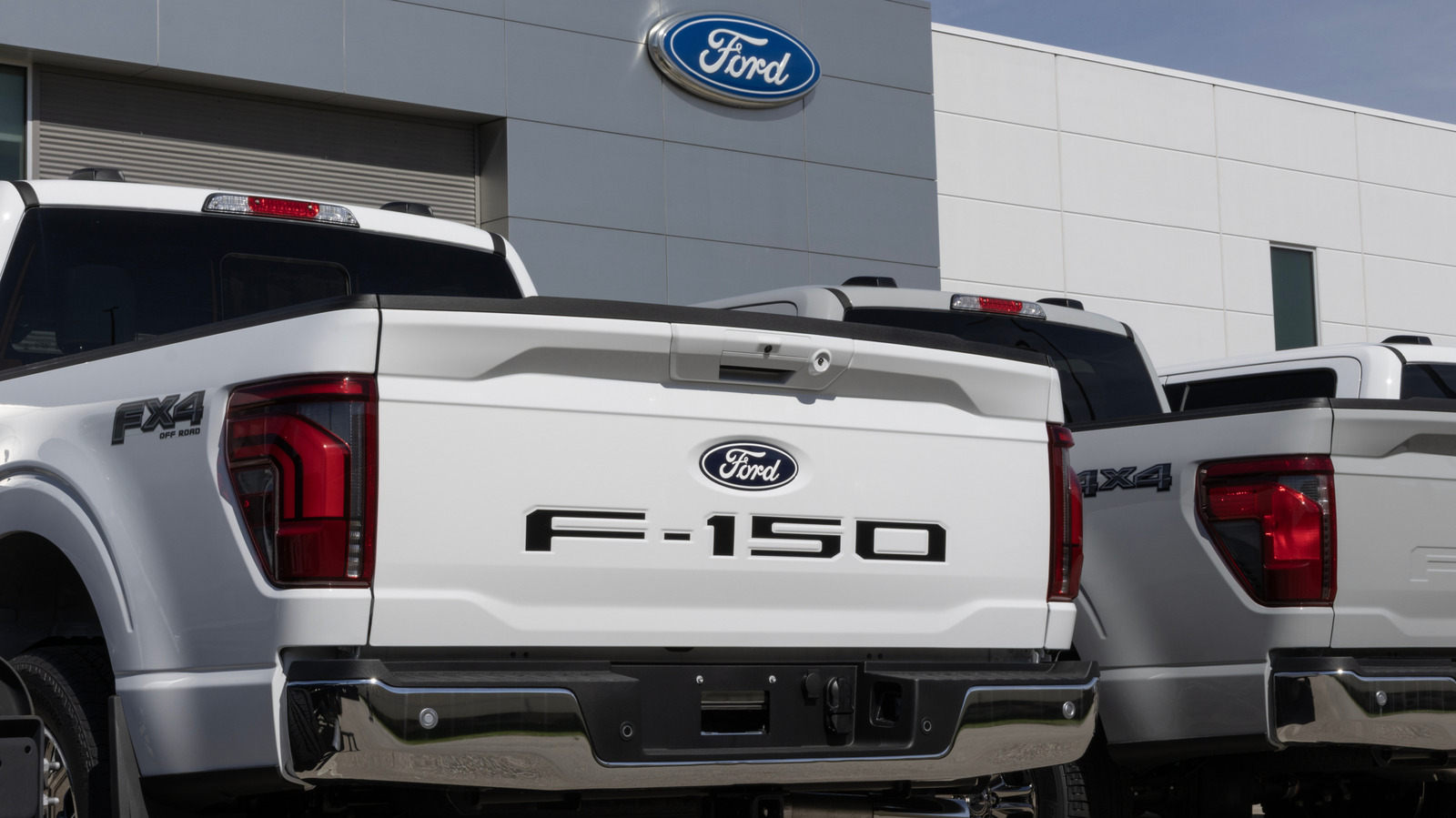
Ford's massive 1.4 million F-150 recall in 2026 underscores a persistent reality in the truck market: America's bestselling pickup has weathered more than its share of reliability troubles across specific model years. The recall highlights why F-150 shoppers and used-truck buyers need to know which generations to approach cautiously.
The F-150 dominates U.S. truck sales by a wide margin, with annual volume consistently exceeding 900,000 units. That sheer production volume means reliability issues compound quickly across the customer base. A defect affecting even a small percentage of trucks sold in a given year can create recalls numbering in the millions.
Certain F-150 generations have earned justified reputations for recurring problems. The 2004-2008 generation suffered from transmission issues, with the 5R55S automatic transmission proving particularly troublesome in heavy towing scenarios. Owners reported rough shifts, delayed engagement, and complete transmission failure requiring expensive replacements. Ford extended warranty coverage on these units, but long-term reliability remained questionable.
The 2011-2014 generation introduced the EcoBoost engines as a lighter-weight alternative to traditional V8s. While innovative, early EcoBoost engines developed carbon buildup problems, spark plug fouling, and turbocharger failures. Many owners experienced sudden loss of power or complete engine shutdown. The engines required software updates and, in severe cases, replacement under warranty.
The 2013-2014 model years specifically saw issues with electronic parking brake failures and door latch problems. These weren't catastrophic failures, but they undermined owner confidence in basic functionality. Dealers fielded numerous complaints about doors popping open while driving and parking brakes releasing unexpectedly.
The 2015-2017 generation represented a complete redesign with aluminum bodies, new powertrains, and updated technology. Despite the fresh start, early years proved problematic. The 2015 model year experienced door latch issues similar to its predecessor, along with rear axle bearing failures. Owners reported clunking noises from the rear suspension, often requiring complete axle replacement under warranty.
Transmission problems resurged with the 2015-2016 models using the 10-speed automatic. Reports indicated clunking during shifts, difficulty engaging reverse gear, and occasional transmission slipping. Ford's software updates helped some owners, but others required hardware replacement.
The 2017-2018 model years introduced further refinements but inherited transmission concerns. Some owners experienced extended crank times before engine startup, particularly in cold weather. Fuel pump issues also appeared, though less frequently.
The 2020-2021 generation brought the new PowerBoost hybrid option and updated conventional engines. The PowerBoost system showed early teething problems with hybrid battery failures, requiring replacement under Ford's extended battery warranty. Non-hybrid models proved more reliable overall, though seat frame cracking and door hardware issues persisted.
For used F-150 buyers, avoiding the worst years saves frustration and repair costs. The 2015 and 2016 model years warrant the most scrutiny. Pre-purchase inspections focusing on transmission smoothness, engine startup behavior, and door functionality become essential. Getting a full-service history matters enormously, as does checking for any prior recall work completed by dealers.
Ford's recall volume reflects the truck's complexity and the pressures of continuous model updates. Buyers shopping for used F-150s should research specific issues tied to their intended model year, factor in extended warranty costs, and consider certified pre-owned inventory with manufacturer backing.