# Seven Family Vehicles That Truly Accommodate Multiple Car Seats
Finding a vehicle that comfortably fits three car seats in the second row remains a genuine challenge for families with multiple young children. Consumer Reports recently identified seven models that solve this problem without forcing parents into cramped, unsafe compromises.
The core issue stems from how automakers design rear seat widths and ISOFIX anchor spacing. Most sedans and crossovers struggle to accommodate three modern car seats because each seat requires roughly 15 to 17 inches of usable width, plus buffer space for safe installation. Many manufacturers prioritize rear legroom or recline angles over practicality for families with toddlers and infants. The result: parents abandon plans for a third child seat or face installation nightmares.
Consumer Reports tested configurations across several vehicle categories to determine which models actually work. The methodology examined both the physical space and the positioning of lower anchor attachment points, which determine how securely installation technicians can secure car seats. A third seat becomes viable only when anchors sit far enough apart and the seat spans sufficiently wide.
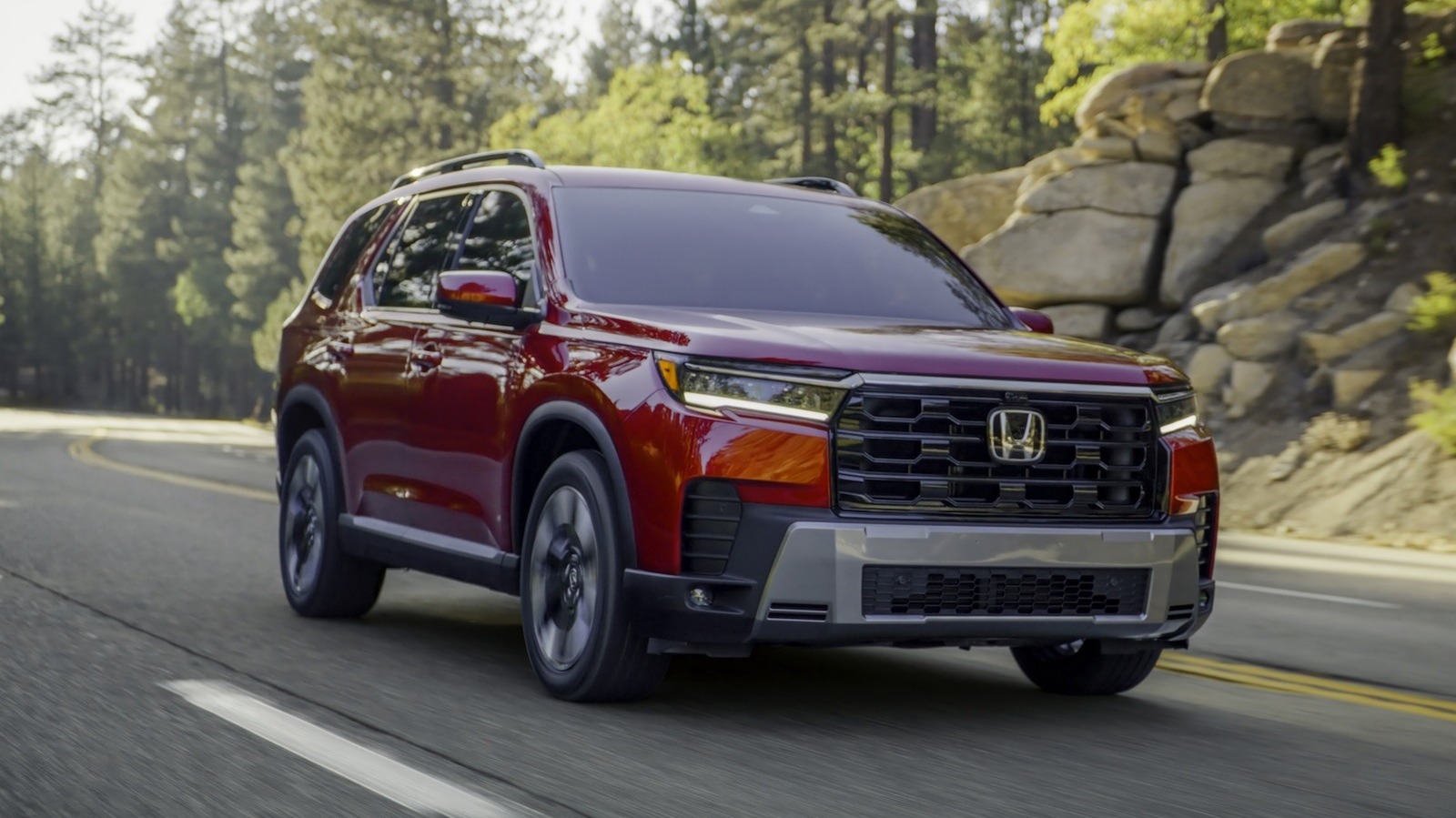
Crossovers dominate the list because their taller, wider cabins provide inherent advantages over traditional sedans. Models like the Honda Pilot, Toyota Highlander, and Kia Sorento consistently deliver genuine three-seat capacity in the second row. These vehicles offer seven-seat configurations, and their middle rows exceed 55 inches in width, providing the necessary space.
Mid-size SUVs also appear frequently. The Volkswagen Atlas stands out for its generous second-row width and well-positioned ISOFIX anchors that Consumer Reports ranked among the best in class. The Mazda CX-90 and CX-9 similarly accommodate families without forcing parents into budget compromises or trading safety for convenience.
Full-size trucks with crew cabs represent another category. The Ford F-150 SuperCrew and Chevrolet Silverado 1500 Crew Cab offer surprisingly spacious rear seats designed initially for adult passengers but equally suitable for multiple child seats. Automakers increasingly recognize that truck buyers include young families, and rear seat engineering reflects this shift.
Family vans remain the gold standard, though they've fallen out of favor with mainstream buyers. The Honda Odyssey and Toyota Sienna still set the standard for rear-seat usability. Both vehicles dedicate engineering resources to child passenger safety and comfort, with wider second rows and optimized anchor placement that makes installing three seats straightforward.
The practical implication extends beyond mere convenience. Parents forced into cramped installations risk improper car seat positioning, which reduces crash protection. Automakers who engineer wider second rows with properly spaced anchors eliminate this dilemma entirely. Consumer Reports emphasizes that families shouldn't compromise on safety by selecting vehicles with marginal three-seat capacity.
Buyers shopping for three-seat vehicles should avoid assumptions based on exterior size alone. Some compact crossovers market themselves as spacious but deliver only marginal gains over sedans. Hands-on testing remains essential. Consumer Reports recommends visiting dealerships with your specific car seats and testing actual installation before purchase.
The broader trend shows automakers recognizing that family vehicle needs extend beyond fuel economy and technology. Brands that design rear seats with child passenger accommodation earn loyalty from multi-child households, a segment that influences vehicle selection for years. As birth rates decline in many developed markets, families with three young children become more valuable to manufacturers targeting premium segment buyers willing to spend extra for vehicles meeting their genuine needs.